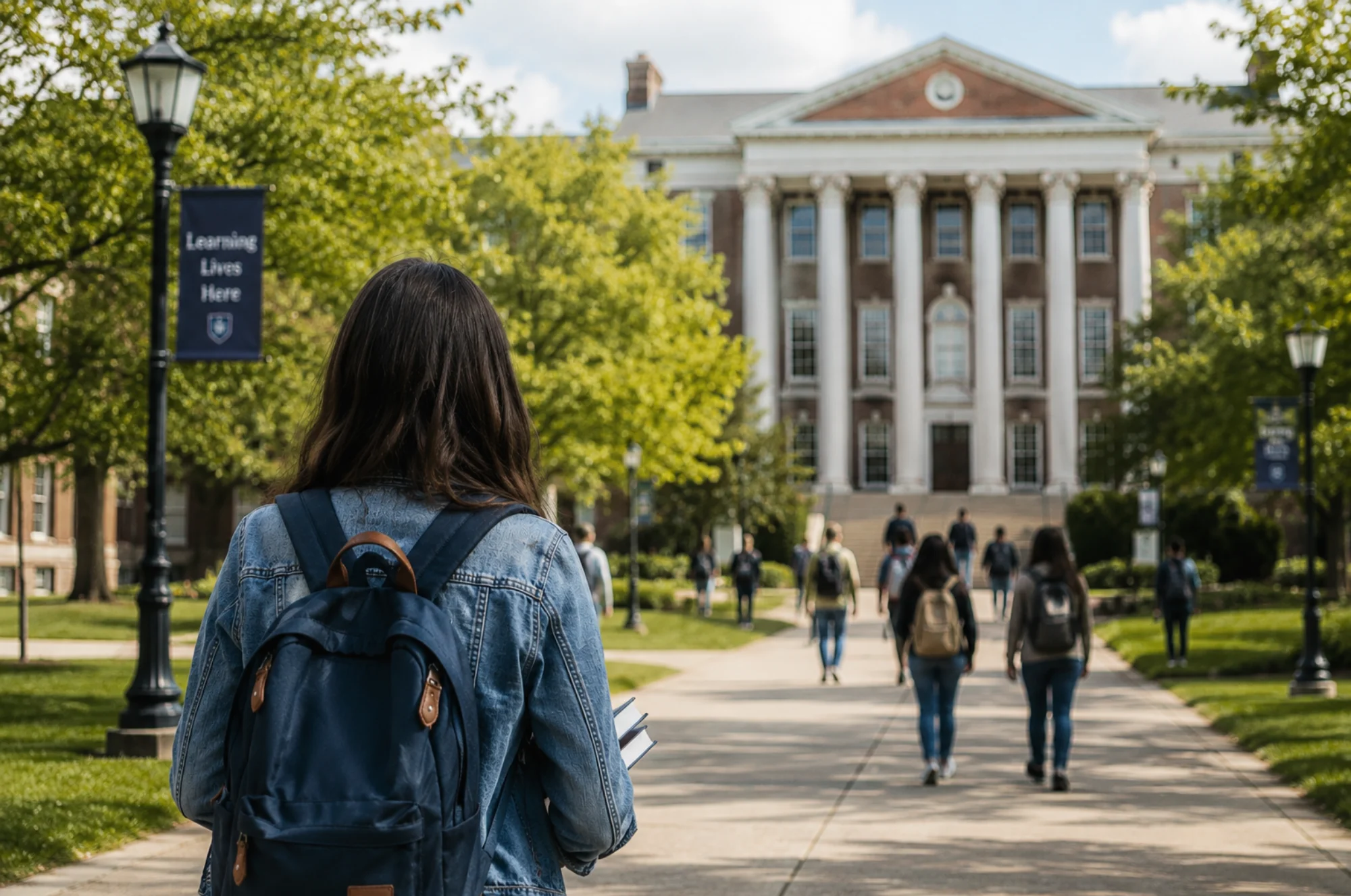


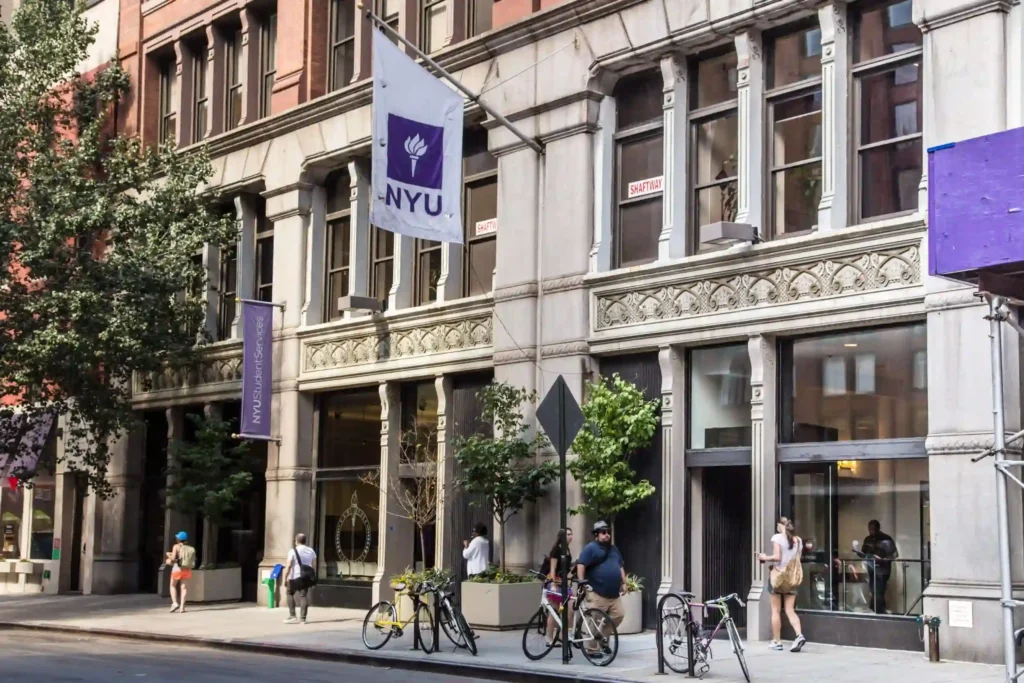
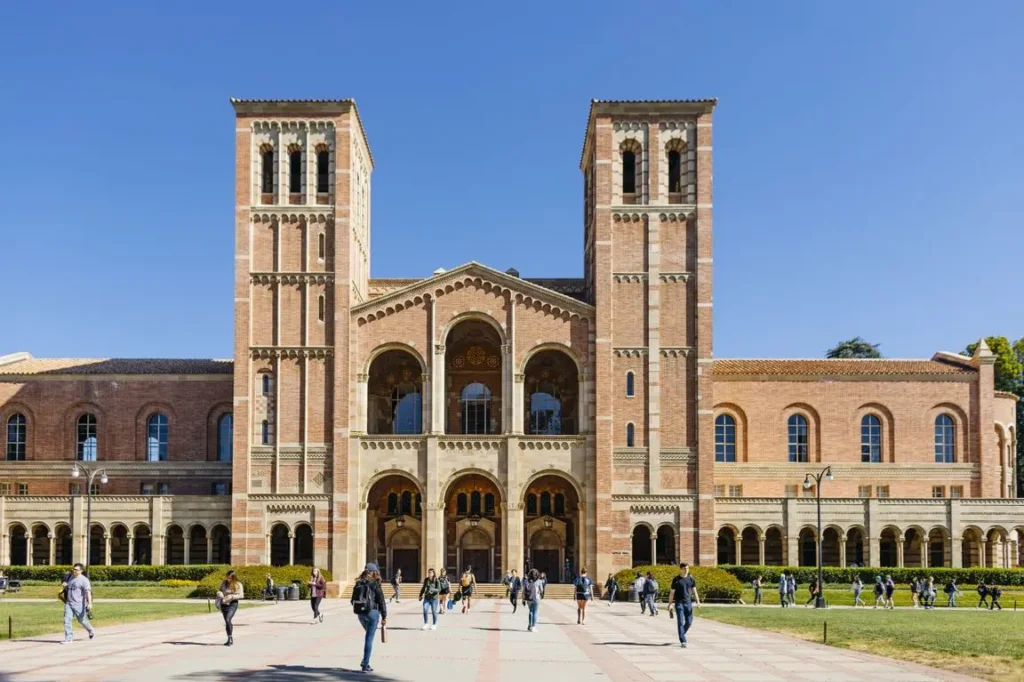
The best schools for undecided majors include New York University, University of California, Los Angeles, Brown University, and Amherst College. These schools give students time to explore while keeping them on track to graduate.
They offer strong advising, flexible first-year classes, and fair timelines to choose a major. This balance helps students move from exploration to a defined academic path without losing time or credits.
Key Takeaways
- The best schools for undecided majors offer flexible first-year classes, strong advising, and clear rules for when students must declare a major.
- Applying as an undecided student does not hurt admissions when high school preparation shows steady effort and strong course choices.
- Schools in New York, California, and New England differ in how they support exploration and timing for major selection.
- First-year programs help limit wasted credits and help students who want to graduate on time.
- Success for undecided students depends on early planning and a focused admissions story.
What Makes the Best Colleges for Undecided Majors
Academic flexibility
The best colleges for undecided majors offer students the opportunity to take general education courses across many subjects. This gives time to explore before making a long-term choice. Many schools use open course plans or broad subject rules for this reason.

Advising quality
Good advising helps undecided students plan from the first term. Advisors help balance class loads and reduce mistakes. Access to advising differs from one school to another.
Major declaration timing
Some schools require students to declare a major by the end of the first year of college. Others allow students to wait longer. Programs with strict class order often need early decisions. These rules affect both exploration and graduation timing.
How Colleges for Undecided Majors Review Applicants
Admissions evaluation criteria
Schools review academic strength even when a student applies without a set major. Course rigor from high school remains very important. Admissions officers look for steady effort and strong grades.
Impact on competitiveness
Applying as undecided does not lower admissions chances when students meet academic standards. Selective schools still expect focused class choices and activities. The review process stays competitive across all applicants.
Best Colleges for Undecided Majors by Region
Best colleges for undecided majors in New York
Many New York colleges allow students to begin without declaring a major. At New York University, students apply to a specific undergraduate school but can enter as undecclared within that school and explore during the first year.
At Columbia College, all students follow the Core Curriculum and do not declare a major until the end of their sophomore year.
At Hunter College, students may start undeclared but must choose a major after completing a set number of credits. These structures support exploration while setting clear timelines for decisions.
Best colleges for undecided majors in California
California schools focus on layered exploration and cross-subject access. Public systems use college-based entry, while private schools rely on close advising.
California offers several models for undecided students. At the University of California, Los Angeles, students enter a general college first.
The University of California, Berkeley, uses a college-based academic structure. Stanford University allows flexible first-year study across many fields.
Many of these schools also appear on lists of the top public universities in the United States due to their size and advising systems.
Best colleges for undecided majors in New England
Many New England colleges support academic exploration before major declaration, especially at liberal arts institutions.
At Amherst College, students often explore broadly and typically declare a major at the end of sophomore year. Brown University uses an Open Curriculum with no required core and no set major declaration timeline. At Tufts University, students in the School of Arts and Sciences may delay major selection while completing foundational coursework.
Small class sizes and close advising at these schools support later academic decision-making. Several of these schools rank among the top private colleges in America due to class size and advising access.
Best Majors for Undecided Students
High-flexibility majors
Majors in the social sciences, humanities, and communications allow later entry with minimal risk of delayed graduation. Fields such as psychology, sociology, political science, and communications let students test multiple courses before committing. These programs usually do not require long prerequisite chains.
Reviewing the most common bachelor’s degrees can help students see which programs offer wide entry paths.
Exploration-limited fields
Majors tied to science, engineering, and some technology tracks require early course sequencing. Engineering students must complete math, physics, and lab courses in a strict order. Entering these programs late can delay the completion of the degree.
Flexibility depends on department policies and credit availability.
Student Happiness and Campus Satisfaction
What college is ranked #1 for the happiest students
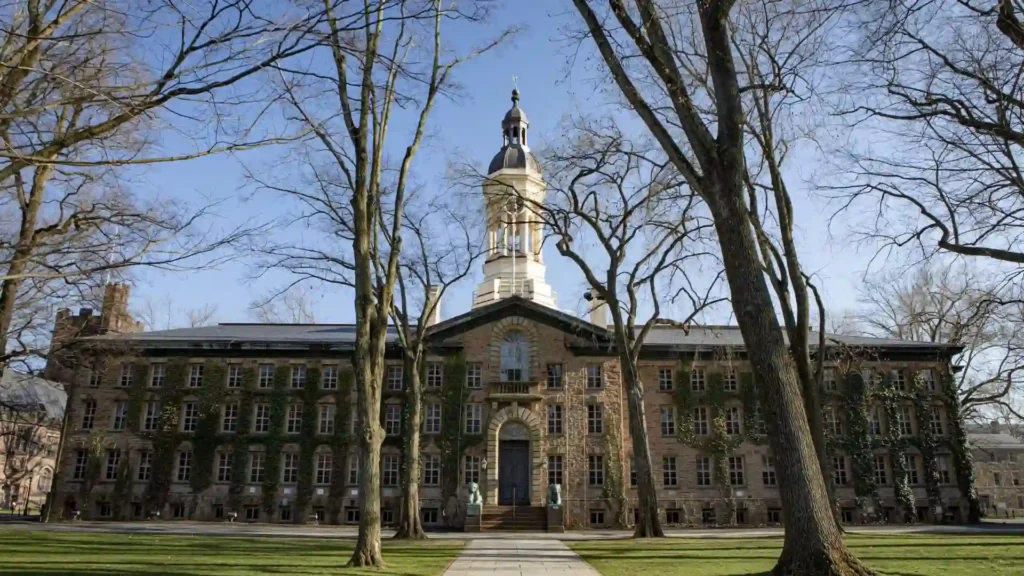
Princeton University frequently appears at or near the top of national rankings of student happiness from sources such as The Princeton Review. Vanderbilt University and Rice University also rank highly for student satisfaction across multiple surveys.
These rankings focus on student life, stress levels, campus culture, and support services rather than solely on academics. Students should still weigh happiness data alongside academic goals, career placement, and personal fit.
Why Gen Z Is Rethinking College
Cost and ROI pressure
Rising tuition and shifts in the job market affect how students judge value. Many now weigh the return on investment of college degrees earlier than before. This trend increases interest in flexible entry.
Career-first mindset
Students now connect school planning to future work. Early exposure helps guide the choice of a major. Class choices often link to long-term job goals.
First-Year Programs for Undecided Students
Academic discovery courses
Many schools offer first-year seminars across several subjects. These classes show how different fields work. Discovery courses help shape academic direction.
Structured exploration tracks
Structured tracks guide students through planned subject testing. Schools track progress and adjust advising each term. This helps limit wasted credits.
Common Program Structures for Undecided Students
Colleges use a few main models to support undecided entry. Each model shapes how students explore and when they must declare.