



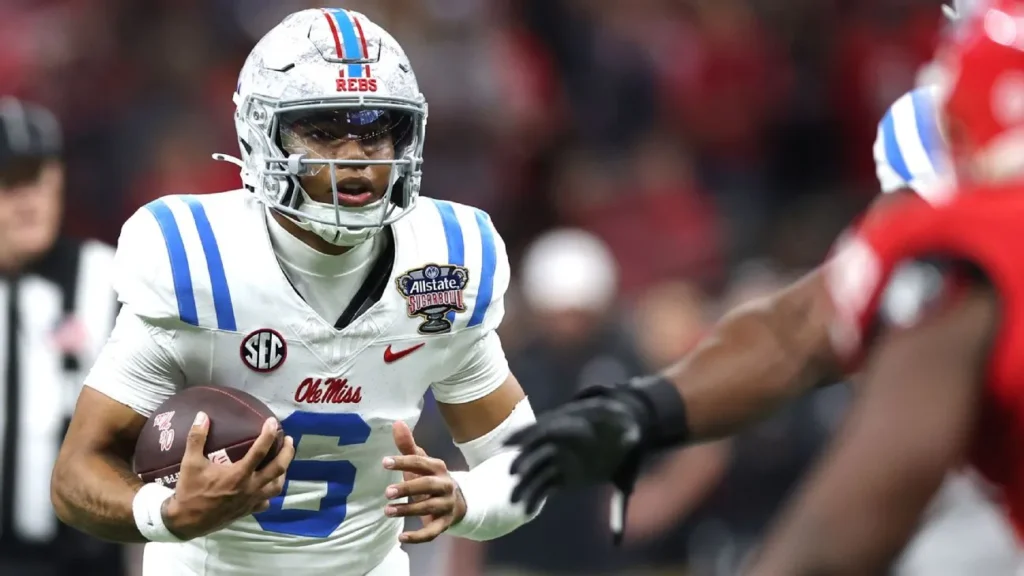
Texas quarterback Arch Manning has topped these estimates while earning primarily through national brand partnerships rather than school funds. Valuations are estimates; they change constantly and are not the same as disclosed contract figures.
What most players earn
The majority never approach those numbers. A great many rosters include walk-ons earning nothing, partial-scholarship athletes, and reserves whose entire compensation is their education package.
Total money flowing to the sport reached an estimated $1.9 billion for the 2025 season, including revenue sharing, up from roughly $393 million in NIL alone in 2021. That growth is real and heavily concentrated at the top of the distribution.
Does Every D1 Athlete Get Paid?
No. This is one of the most common misunderstandings about the current system, and the honest answer is that compensation is unevenly distributed even within a single roster.
At an opted-in Power 4 program, most scholarship athletes now receive some revenue-share payment, though amounts vary from low five figures for depth players to seven figures for a starting quarterback. NIL is a different story: many players sign no brand agreements at all, and modest deals worth a few thousand dollars are far more typical than headline contracts.
Below the Power 4 level, the picture narrows further. Many Group of 5, FCS, Division II, and Division III athletes receive no cash compensation beyond partial aid, and walk-ons at any level may receive nothing.
Agreements also face review. As of 2026, the NIL clearinghouse established under the House settlement had rejected roughly $90 million in submitted deals for failing to meet fair-market-value standards, meaning the reported figure is not always the received amount.
Common Misconceptions About Athlete Pay
Online discussion tends to blur salary and endorsement income. Separating them clarifies most of the confusion.
Some assume every rostered athlete signs a large NIL contract. In reality, most earn modest amounts or nothing at all from brands. Others assume NIL replaced scholarships, when the two remain entirely separate forms of support.
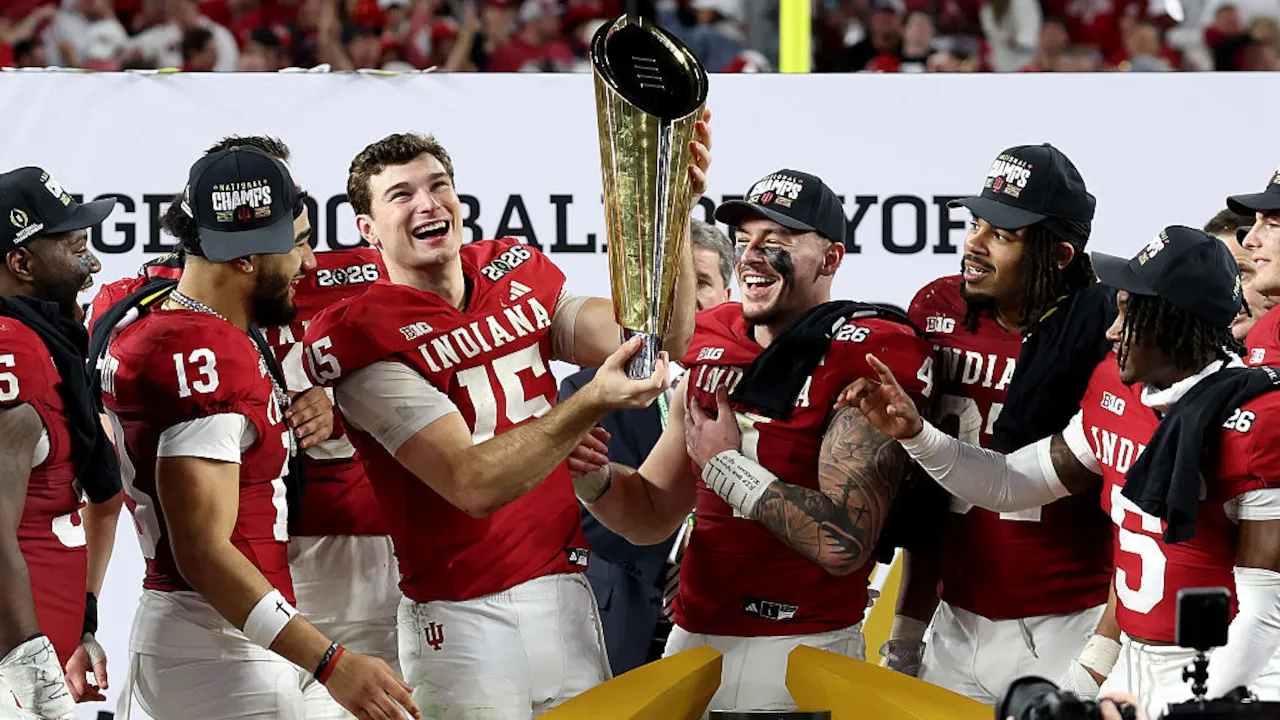
A third misunderstanding is that schools issue NIL payments directly. They do not. Brand money comes from outside sponsors and collectives, while school money now flows through the capped revenue-share pool.
Fourth, reported figures are verified. Agents inflate numbers to attract clients, and general managers understate them to protect locker rooms, which leaves the market unusually opaque compared with professional leagues.
Should College Athletes Be Paid?
The debate continues, and it has shifted from whether athletes should receive anything to how much they should receive and through what mechanism.
The case in favor
Supporters point to the revenue the sport generates through television agreements, ticket sales, and merchandise. Head coaches at major programs routinely earn multimillion-dollar salaries, and playoff appearances alone can pay a school millions.
They also cite time commitment and physical risk. Year-round training resembles full-time employment, and injuries can affect earning capacity for decades afterward.
Pros and cons of paying college athletes
Arguments in favor include:
- Fairer distribution of the revenue athletes help generate
- Greater athlete independence and leverage
- Real economic opportunity during eligibility
Arguments against include:
- Financial strain on smaller programs and non-revenue sports
- Compliance and enforcement difficulty
- Competitive imbalance in recruiting
- Increased emphasis on money over education
The disagreement centers on fairness, educational purpose, and the financial reality facing athletic departments outside the wealthiest conferences.
The College Game vs Professional Pay
The two operate under fundamentally different financial structures. NFL players sign employment contracts with guaranteed money, negotiated under a collective bargaining agreement, with salary data publicly available.
At the college level there is no employment contract, no union, no players’ association, and no public salary database. Athletes operate under NCAA and conference policy rather than labor agreements, and their deals are negotiated individually with agents.
The absence of transparency creates an inefficient market, with a wide spread between underpaid and overpaid athletes at the same position. That is why a college football player salary is best described as a range rather than a figure.
What May Change Next?
Compensation rules are still evolving, and courts, legislators, and the governing body continue to reshape them.
Legal challenges and court cases
The House v. NCAA settlement is the clearest example. Courts continue to review the association’s authority over compensation limits, and future rulings may directly address employment classification.
Future compensation models
Revenue-share programs will likely expand, and the cap is scheduled to grow annually. Enforcement will remain contested, since clearinghouse review of third-party agreements has already blocked a significant volume of submitted deals.
For families with high school students, these shifts matter mainly in how they affect opportunity and expectations. Athletic compensation should be weighed as one factor in a college decision that also includes academics, fit, and long-term goals, and recruited athletes still have to apply through the standard admissions process regardless of NIL or revenue-share potential.
CollegeCommit helps families approach that process with a stronger academic and admissions strategy, working alongside our college coaches for high school students. We work fully online and support students through structured planning while keeping athletic policy changes in view. Athletes evaluating a move should also weigh academic and program fit when considering a college transfer.


