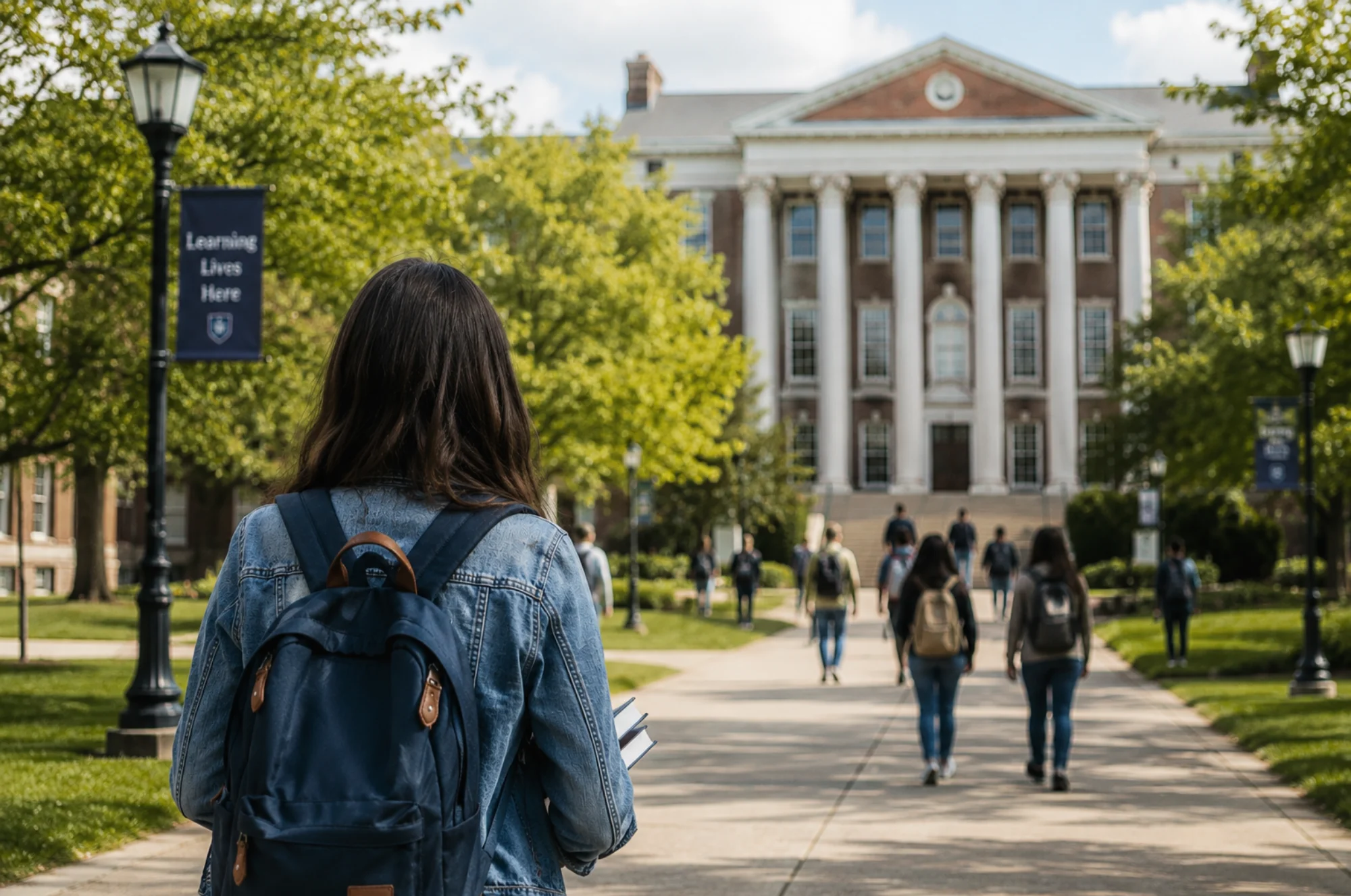



In 2025, nearly half of adults age 25 and older in the United States hold a college degree. About 48% of this group have completed an associate, bachelor’s, or advanced degree.
When examining the number of people with college degrees, the total exceeds 110 million adults. This rise highlights broader access to higher education and its connection to career opportunities, even as some families continue to ask whether college is a waste of time given rising costs.
At CollegeCommit, we study more than admissions trends – we analyze data shaping higher education in the United States. Knowing the percentage of Americans with college degrees helps families plan ahead with confidence and purpose.
Key Takeaways
- Nearly half of U.S. adults age 25+ now hold a college degree, a major national milestone.
- The percentage increased from 38% in 2010 to 48% in 2025 and may reach 55% by 2030.
- Women ages 25 and older earn more degrees than men, and advanced degree holders enjoy stronger job outcomes.
- The U.S. ranks slightly below Canada and Japan in degree rates, showing room for growth.
College Degree Statistics in the U.S. (2025 Data)
Nearly half of adults age 25 and older now hold an associate, bachelor’s, or advanced degree. This steady growth shows that education remains central to long-term opportunity and reflects an increase in the share of Americans attending college, a trend that makes early decisions about what to study in college more important than ever.
Degree Trends and Why They’re Rising
In 2010, 38% of adults held a college degree; by 2025, that number rose to 48%. Recovery after the pandemic and increased online access contributed to this growth. Experts expect the share to reach 55% by 2030.
Online programs and state-funded scholarships have expanded access for working adults and first-generation students.
These efforts have improved educational attainment across all age groups. At CollegeCommit, we turn this data into actionable planning so families make informed decisions early.

Degree Percentages by Population Group
Bachelor’s degrees conferred make up about 37% of all college graduates in the United States. Around 14% of adults hold a master’s or professional degree, and 2% have a doctoral degree.
Women ages 25 and older now earn about 58% of all degrees nationwide, surpassing men across most fields. The percentage of the population with a university degree continues to rise, especially among younger age groups, reaching their highest level of education.
CollegeCommit reviews verified data, such as the Lumina Foundation press release and the U.S. Census Bureau, to guide families using the latest educational trends.
Who has a College degree in the U.S?
Education levels vary widely by state, race, and ethnicity. Massachusetts, Colorado, and the District of Columbia lead, while parts of the South, including West Virginia, remain below average. These differences show how state resources and population makeup affect long-term results.
CollegeCommit supports students from 8th to 12th grade across the U.S. and abroad, helping families identify strengths early and stay competitive.
State and Regional Comparisons
The District of Columbia leads with the highest concentration of degree holders. States with strong public universities perform well, while some rural areas, such as West Virginia, show slower growth. These differences highlight why early academic planning matters.
Our advisors help students choose courses, extracurriculars, and testing strategies that strengthen their positioning within competitive applicant pools.

U.S. vs Other Countries in College Degrees
Globally, the U.S. remains a top producer of graduates but trails Canada (61%) and Japan (56%). The U.S. stands at 48%, just below South Korea (51%).
Within the country, top public universities drive access and quality. Comparing degree rates globally underscores the value of strong preparation and academic focus.
College Completion – How Long It Takes
A bachelor’s degree usually takes 4–6 years. Working adults or transfers may need longer, while dual-enrollment students can finish faster.
Advanced degrees, including master’s, professional, and doctoral programs, add extra years. Our mentors help students plan realistic timelines for Early Action, Early Decision, or Regular Decision. Understanding when to apply to college ensures key deadlines are met.
Why College Degree Rates Matter
The percentage of college graduates in the US shapes both the labor force and the economy. College graduates enjoy stronger job security and higher lifetime earnings, reflecting some of the core benefits of going to college that continue to drive enrollment growth.
Adults with only a high school background face growing competition, while advanced degree holders see the highest stability and flexibility, particularly those who complete one of the most versatile degrees.
Degree growth is fastest among Hispanic and Latino adults and returning students. Education remains the foundation of opportunity, especially for families planning to send their children to the Top private colleges in America.
About CollegeCommit
CollegeCommit offers elite college admissions consulting, essay coaching, and test prep. We help ambitious students reach their potential through structured mentorship.
We support Early Action, Restrictive Early Action, Early Decision, Regular Decision, and Rolling admissions. Our remote model provides consistent, high-level support nationwide.
Each student works with one consultant and a mentor team for essays, interviews, and planning. Students always write their own essays; we guide and polish them within the Common App’s 650-word limit. Our advisors oversee every stage of the university application to ensure quality and strategy.
Ready to transform uncertainty into opportunity?
Join our upcoming cohort at CollegeCommit: Where Preparation Becomes Placement. Schedule your free private consultation today.