


FAFSA is not mandatory for all high school seniors, but some states now require it for graduation. Whether FAFSA is mandatory depends on your state. Texas, California, and Illinois require students to earn a diploma. Others only recommend it.
Completing the FAFSA helps students access grants, scholarships, and federal student loans, though it’s worth knowing upfront whether FAFSA covers all tuition before building a college budget around it.
Key Takeaways
- FAFSA is required in some states, like Texas, California, and Illinois, but not everywhere.
- Filing early helps students qualify for grants, scholarships, and federal student loans before the funds are exhausted.
- Even families who think they won’t qualify should still complete the FAFSA, as many colleges use it to award aid.
- Completing the FAFSA leads to higher college enrollment and lower student debt.
At CollegeCommit, we help students and families plan college admissions with confidence. With over 14+ years of combined experience, we’ve guided families through the FAFSA submission process and created smart college plans that support both goals and budgets.
Why the FAFSA Matters for College Admission
The FAFSA form determines who can get federal student loans, grants, and scholarships from the federal government. Completing it gives students access to financial aid that supports their path to higher education. Many colleges also use FAFSA data to offer merit-based scholarships and institutional grants.
Even high-income families can benefit since many programs require the form, and current FAFSA income limits show there’s no strict cutoff that disqualifies them. Whether you’re applying Early Action, Early Decision, or Regular Decision, knowing when to apply to college is as important as submitting the FAFSA.
The National College Attainment Network (NCAN) found that students who complete the FAFSA are 84% more likely to attend college after high school. States that require it, like Texas and Louisiana, see more students enroll and less debt overall.
At CollegeCommit, we help families utilize the FAFSA as part of a comprehensive admissions plan for Ivy League and Top 20 schools.
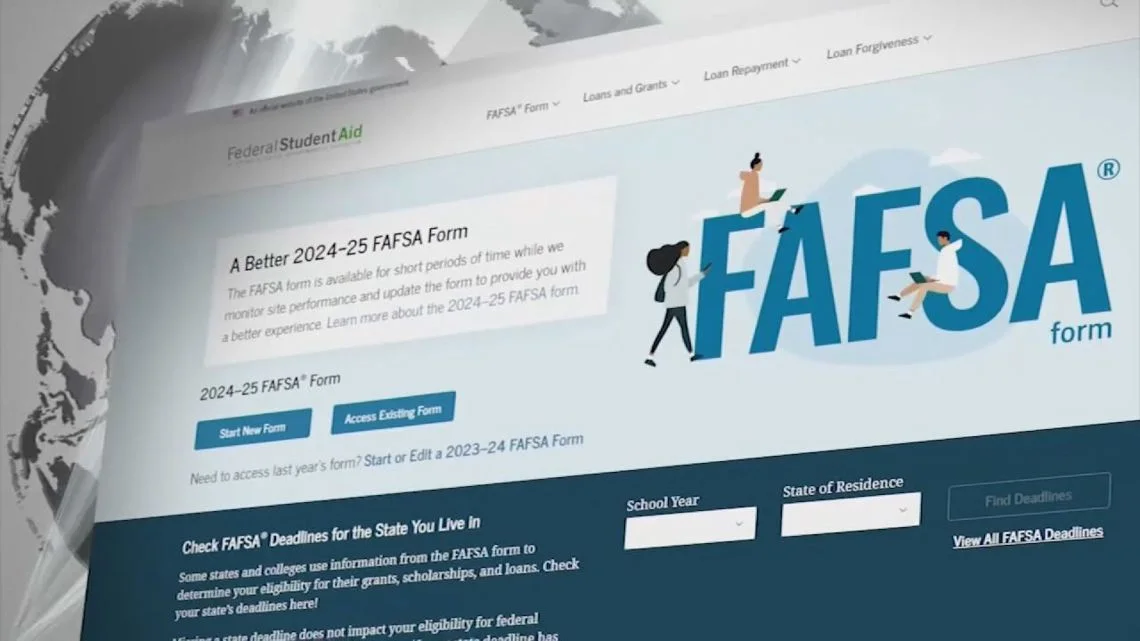
Is FAFSA Mandatory for College, and Do You Have to File It?
Many students ask, Is FAFSA required for college? The answer depends on what kind of aid you need. FAFSA isn’t required to apply to college, but it is necessary for most federal, state, and institutional aid.
Some states even include it as part of high school graduation rules. Knowing when colleges start accepting applications helps families plan ahead.
Filing early helps students become eligible for federal student aid programs like the Pell Grant and federal student loans, though it helps to know that a Federal Pell Grant isn’t the same as financial aid overall. Even if you think you won’t qualify, it’s worth applying. Many families are surprised to discover they qualify for financial support once their FAFSA is reviewed.
What Happens If You Don’t Fill Out FAFSA
Many families wonder what happens if you don’t fill out FAFSA. The answer is simple – you might lose access to aid you could have received. Without submitting the FAFSA, students cannot get federal student loans, grants, or many scholarships, and understanding how much FAFSA can cover makes the tradeoff clearer.
Even families with higher incomes should apply, since FAFSA data may open the door to merit-based or institutional aid.
Skipping the form can limit your financial options and make higher education more expensive in the long run.
States That Require FAFSA for Graduation
Why FAFSA Completion Matters
States that make FAFSA mandatory want to help all students access college. According to the Department of Education, completing the FAFSA results in higher enrollment and lower debt.
- California: Students must complete the FAFSA or the Dream Act form, unless they opt out.
- Texas: Required for graduation, with an opt-out form.
- Illinois: Required for a parent waiver.
- New Jersey: Encouraged but not required.
Ask your school counselor about your state’s rules and how to opt out if needed.
FAFSA and Florida’s Bright Futures Program
Florida’s Bright Futures Scholarship Program rewards strong academics with tuition help. FAFSA isn’t required, but completing it helps students qualify for extra aid.
Students must meet GPA, test score, and volunteer hour requirements. Programs like the Medallion Scholars Award cover up to 75% of tuition. While funding levels change, Bright Futures remains one of Florida’s best-known higher education programs.

FAFSA Deadlines and Key Dates
The FAFSA opens each year in the fall for the upcoming school year and closes on the federal deadline of June 30, and many families ask whether they should apply for financial aid before or after acceptance rather than wait for admissions decisions. Some states and colleges set earlier cutoffs, so apply early. Check with your financial aid office to confirm all dates.
Applying before the federal deadline increases the chance of receiving more aid, since some funds are limited.
How to Complete the FAFSA
To complete the FAFSA, you’ll need tax forms, Social Security numbers, and bank information. Always double-check entries for accuracy.
Use the official Department of Education website when submitting the FAFSA, and include all schools you plan to apply to when sending your university application.
If you need assistance, please contact your school counselor or the financial aid office. Review before submitting to avoid mistakes that could delay your eligibility.

Expert Help for FAFSA and College Planning
Filing financial forms can be stressful, but it’s a crucial step toward securing college funding. Our CollegeCommit advisors recommend submitting early, as most schools award aid on a first-come, first-served basis.
At CollegeCommit, we combine college admissions and financial planning as part of our educational consulting approach. Our advisors – former admissions officers and Ivy League graduates – help students from 8th through 12th grade prepare with confidence.
We support Early Action, Restrictive Early Action, Early Decision, and Regular Decision through the Common Application information and Common App systems.
Ready to turn uncertainty into opportunity? Join our next cohort at CollegeCommit: Where Preparation Becomes Placement.
Schedule your free private consultation today