


Students can receive financial aid while on disability. Grants, loans, and work-study programs remain available as long as they meet the basic income and enrollment requirements.
When families explore Can I get financial aid while on disability, they often learn that disability-related costs may increase aid. SSI or SSDI benefits rarely block eligibility. This guide explains how students can qualify, apply, and reduce costs.
Key Takeaways
• Most federal and state programs support students with disability.
• Documented medical or accessibility needs can increase aid amounts.
• Schools may adjust the cost of attendance when disability costs are high.
• Students should prepare records early to avoid delays.
• Using state, school, and federal programs helps lower total costs.
Who Qualifies for Aid While on Disability
Students with disabilities qualify if they meet the same rules as other applicants. Disability does not limit access to higher education or financial aid.
Many people with disabilities receive support based on income and school costs. Some schools and state programs offer additional support designed for students requiring accommodations.
SSI benefits and SSDI do not prevent students from filing the FAFSA, and while whether FAFSA is mandatory depends on the state, filing still opens the door to aid these benefits alone don’t cover. Most students receive both FAFSA-based aid and these benefits. Families only need to follow reporting rules to ensure accurate results.

Can You Get FAFSA While on Disability
Yes, students with disability can file the FAFSA. The form reviews income, household size, and tax information. Disability income does not reduce eligibility. Submitting early helps students access limited funds.
Preparing documents in advance prevents verification delays and makes the process smoother.
Types of Aid and Funding Available
Students can receive grants, loans, and federal work-study support. Grants do not require repayment and help with tuition and fees.
Many families also want to know how much FAFSA can cover when combined with state programs, scholarships, and disability-related adjustments.
Work-study programs let students earn money while attending school. Schools often offer structured roles for people with disabilities. These jobs have limited spots, so applying early is beneficial.
Loans can fill gaps when grants and work-study funds are insufficient. Students should review interest rates and disability discharge rules before borrowing.
Grants, Loans, and Work-Study Programs
Grants help students cover educational expenses. Some states offer disability-focused grants for individuals with disabilities pursuing higher education. Scholarship supports also help reduce costs.
Federal loans provide students with additional funding when needed. Work-study roles let students earn money on campus. Early filing improves access to both loans and work-study.

Understanding Disability-Related Educational Expenses
Students with disabilities often have extra costs. These may include assistive technology, therapy, travel, or medical needs. Schools can adjust a student’s cost of attendance when these expenses are documented. This may increase aid.
Examples include screen readers, note-taking tools, medical supplies, and accessible transportation. Proper documentation makes it easier for financial aid officers to review and adjust packages.
Students who want to understand how far federal aid can stretch often review whether the FAFSA covers all tuition applicable to their situation.
Common Disability-Related Academic Costs
Students may need adaptive software, devices, or specialized tools. Some students also face higher transportation or medical treatment costs. When tied to attending school, these expenses may help increase aid.
How to Apply for Aid While on Disability
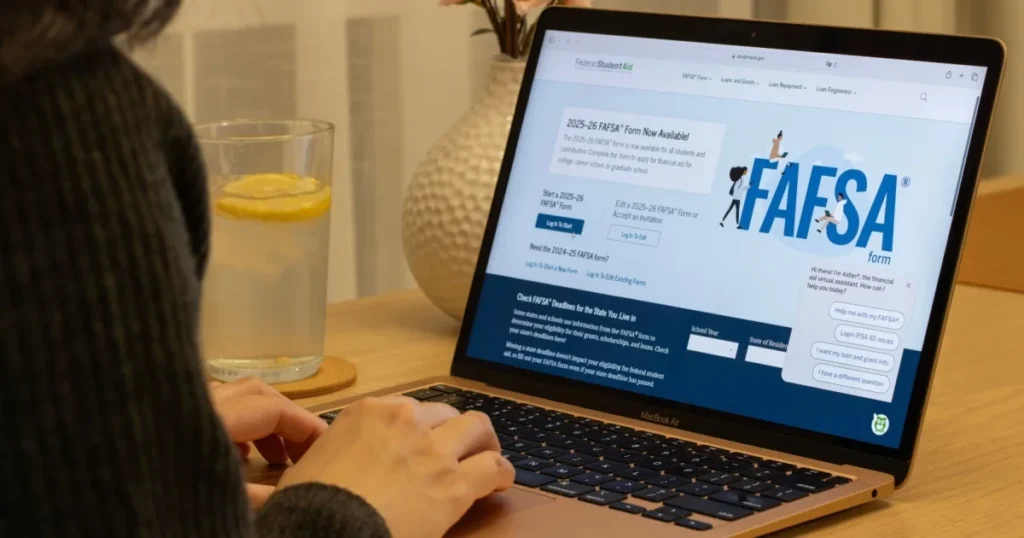
Students apply in the same way as all other FAFSA applicants, and the same guidance on applying for aid before or after acceptance applies regardless of disability status. They gather documents, file the FAFSA online, and meet deadlines.
Families seeking a comprehensive guide on how to secure financial aid for college can utilize step-by-step guides to prepare the necessary documents and plan their timeline.
State programs may offer extra funding and have separate deadlines. School disability offices can help verify accommodations and ensure the required documentation is in place.
FAFSA Documentation Checklist for Students with Disability
Students should collect tax forms, bank records, disability benefit letters, and household details. SSI benefits and SSDI must be reported correctly.
Students who rely on disability income often check the current FAFSA income limits to understand how these benefits affect their eligibility.
Schools may ask for extra documents. Students should keep digital copies ready for fast upload. Some may also need letters from healthcare providers or disability coordinators.
Key Programs for Students with Disability
Students may qualify for support from State Vocational Rehabilitation agencies. These programs help with training, tuition, and job planning.
Scholarships for individuals with disabilities can help alleviate financial burdens. Some states offer tuition waivers for documented disabilities.
State, Federal, and School-Based Programs
State Vocational Rehabilitation programs help students develop education plans and may provide funding for books, tuition, or other educational expenses.
Federal programs include Pell Grants, work-study, and federal loans. Since a Pell Grant differs from financial aid as a whole, it helps to see it as one piece of a bigger funding plan rather than the entire package.
School disability offices offer accommodations and assistive technology.
How Nelnet Disability Loan Forgiveness Works
Nelnet disability loan forgiveness helps borrowers who meet the Total and Permanent Disability discharge rules. Students submit medical or Social Security documentation.
The Nelnet disability loan forgiveness update may affect steps or forms. Students should follow the new instructions to avoid delays.
Can a Disabled Person Go to College for Free
Some states offer free college tuition for students with disabilities. Eligibility depends on factors such as disability status, income, and residency. Scholarships for people with disabilities also help reduce costs.
Free College Tuition and State Programs
Some state programs cover full or partial tuition, though families weighing private options should also check whether FAFSA covers private schools, since the rules differ from public state programs. Most require students to meet academic progress rules. Students should apply early and coordinate aid applications.
How Much Financial Aid Can You Receive
Aid is based on income, the cost of attendance, and disability-related expenses. Enrollment level factors in too, since financial aid for part-time enrollment is typically prorated compared to full-time awards. Students who document higher costs may be eligible for additional support. Comparing aid offers across schools helps families choose the best fit.
How Disability Benefits Affect FAFSA
SSI and SSDI must be reported in accordance with FAFSA rules. Untaxed income may affect eligibility. Families should update the FAFSA when benefit amounts change to ensure accurate records.
SSI, SSDI, and Aid Eligibility
SSI often increases grant eligibility. SSDI may also help demonstrate need. Students should stay informed about reporting changes that affect their aid.
Common Questions About Financial Aid and Disability
Disability does not prevent access to FAFSA, grants, or loans. Students often combine several programs. Early documentation helps avoid delays in the review process.
How Long a Disabled Person Can Attend College for Free
State waiver programs determine the duration for which students can study without paying tuition, which is separate from federal limits on how many years financial aid lasts. Some require progress toward a degree. Disability services offices help students maintain eligibility.
How CollegeCommit Supports Students in the Admissions Process
Students often need guidance while managing disability-related needs during the college process. Our educational consulting services pair this kind of financial aid support with a full admissions strategy. We work 100% remotely and help students stay organized with forms, documents, and deadlines.
Our advisors include former admissions officers, Ivy League graduates, and senior mentors with more than 14+ years of combined admissions experience. CollegeCommit offers elite college admissions consulting, expert essay coaching, and top-tier tutoring and test prep.
We don’t just advise – we engineer your student’s admissions edge. Each student has a dedicated consultant supported by experts in essay coaching, interviews, and academic planning. Our goal is to help families make informed choices with confidence.
We guide students through the Common App personal statement process, including Early Action, Early Decision, Restrictive Early Action, and Regular Decision. CollegeCommit serves families worldwide and supports students as early as 8th grade.
Ready to transform uncertainty into opportunity? Join our upcoming cohort at CollegeCommit: Where Preparation Becomes Placement.