



The best college spring break destinations are not about one perfect place. It comes down to your goals, budget, travel time, and safety. Some students chase nonstop beach parties in Cancun or Punta Cana with poolside DJs and nightlife events, while others pick classic U.S. spots like Panama City Beach or South Padre Island for wide beaches and festivals.
Others still choose city breaks to explore food, museums, and events in places like New Orleans or Austin.
The best options depend on how well a destination fits your schedule and travel style. Beach towns like Daytona Beach draw large crowds and late nights, and quieter seaside towns offer more relaxed shores.
City settings deliver variety through food and cultural sites without long drives between activities. Recognizing these differences helps you pick a place you’ll enjoy all week based on your priorities.
This article explains how to compare options and decide what works best for you by evaluating travel styles, costs, safety, timing, and crowds. It also clears up common myths so readers can plan with realistic expectations.
Key Takeaways
- The best college spring break destinations depend on budget, timing, safety, and the type of experience you want, not on one universal location.
- Beach, city, and outdoor trips offer different benefits, so matching travel style to personal goals helps avoid overcrowded or mismatched plans.
- Budget-friendly options often come from shorter travel distances, shared lodging, and planning outside peak weeks.
- Age limits, safety conditions, and crowd levels can shape the experience as much as cost, so these factors should be reviewed before choosing a destination.
- Early planning allows travelers to compare domestic and international options and manage costs, especially for future spring break seasons.
What Makes a Spring Break Destination “Best”
A good spring break destination is easy to reach and easy to plan. Long flights can reduce the time you spend enjoying the trip. Safe areas with clear transport options help avoid stress. The best spring break locations usually offer simple plans and clear choices.
Flexibility also matters. Walkable areas reduce the need for cars. Seasonal events and weather can change the experience. These details often matter more than popularity alone.
Best College Spring Break Destinations for 2026
Planning ahead helps when trips depend on school schedules. In 2026, flight prices and lodging costs may change in response to demand. Early research helps set a realistic budget. This reduces last-minute pressure.
Early planning also allows time to compare local and international trips. Flight rules and entry needs can change. Looking ahead helps avoid surprises, much like following a college checklist when planning major decisions.
Spring Break Destinations by Travel Style
Beach and Coastal Trips
Beach areas attract travelers who want simple plans and outdoor time. Places with white-sand beaches often have hotels, restaurants, and activities within walking distance. This setup works well for short stays because less time is spent on local travel. It also makes daily planning easier.
Some beach towns focus on social scenes, such as South Padre Island, where beach events and nightlife draw large crowds. Others focus on calm settings, like parts of the South Carolina coast, where travelers spend more time walking the shore or visiting nearby towns.
Knowing this difference helps avoid choosing a place that feels too loud or too quiet. Beach trips vary more than many expect.
City-Based Trips
Cities offer museums, food, and public events close together. For example, a traveler staying in Washington, D.C. can visit museums, parks, and neighborhoods without changing hotels. Short day trips are easy to plan. Cities also offer indoor options if the weather changes.
City trips suit travelers who want variety. Public transport lowers both cost and effort. Event calendars, such as seasonal festivals or concerts, can shape the journey. Planning around these events helps us use time better.
Outdoor and Adventure Trips
Outdoor trips focus on parks and open land. A nearby state park offers hiking, biking, and scenic drives during the day. Travelers might stay in a small town and explore the nearby natural areas. These trips need more planning because distances are longer.
Adventure trips often feel quieter than beach or city trips. They avoid large party crowds and busy schedules. This style works well for small groups who prefer slower days. Activities usually depend on daylight and weather.
Budget-Friendly Spring Break Destinations
Cost shapes most spring break plans. Budget-friendly destinations reduce spending by keeping travel short and lodging simple. A long drive or short flight often costs less than traveling far. Food and activities also affect the final budget.
Some of the best cheap spring break destinations for college students include smaller beach towns and regional cities. For example, staying in Gulf Shores or Daytona Beach can cost less than in nearby larger resort areas.
- Estimated daily cost: $80–$130 per person
This usually includes shared lodging, groceries, and low-cost beach activities.
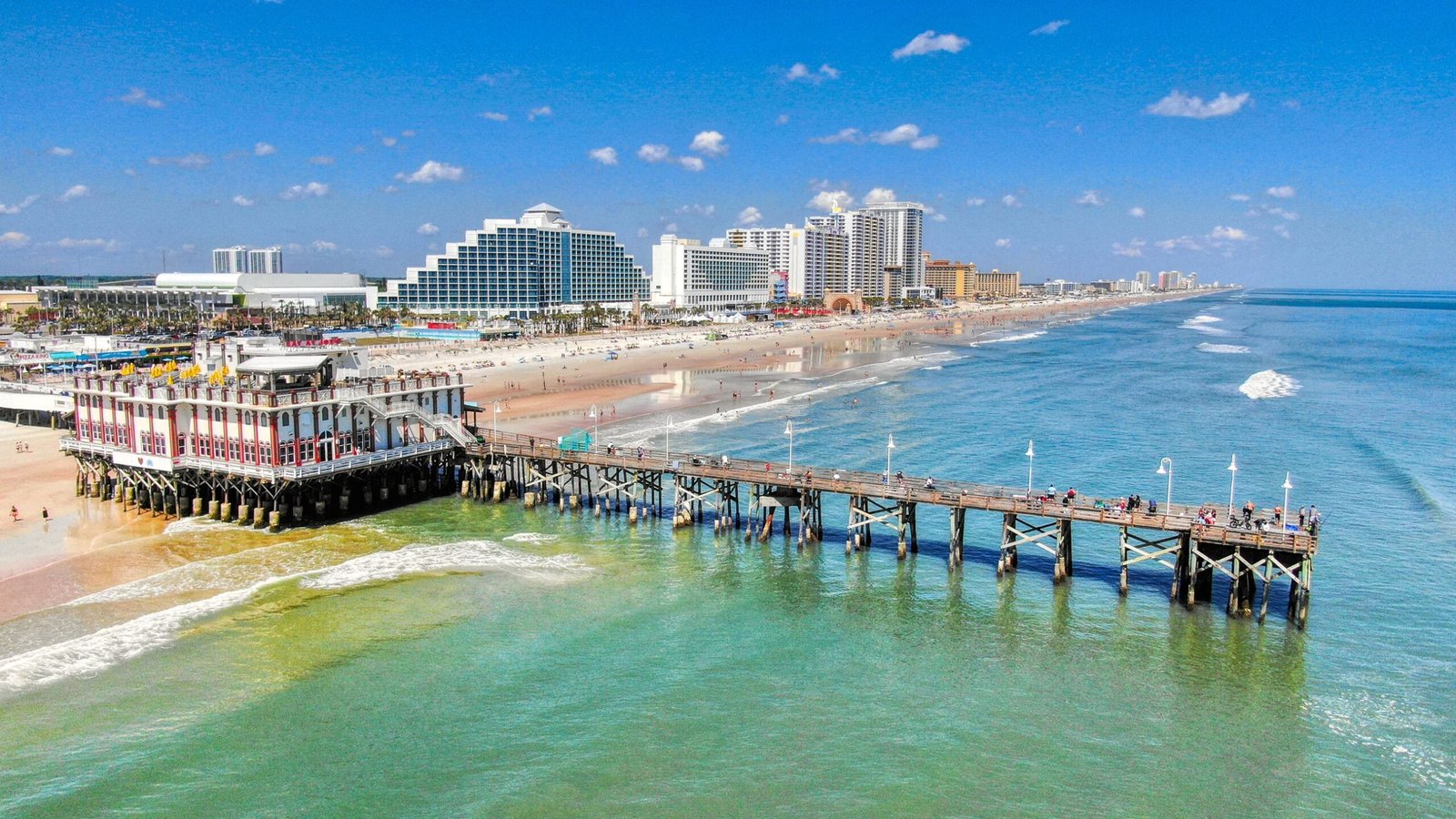
Regional cities also help lower costs. Cities like Austin allow travelers to share short-term rentals and use public transport. Free events, parks, and local attractions reduce daily spending.
- Estimated daily cost: $90–$150 per person
Costs depend on lodging type and how often meals are eaten out.
Shared housing plays a key role. Renting one space for a group lowers the per-person cost. Grocery shopping and simple meals save money over a whole week. In many cases, these choices matter more than the destination itself.
Spring Break Destinations by Student Constraints
Destinations for Students Under 21
Age limits affect access to nightlife, especially in party-heavy areas. Some destinations work better because they focus on daytime activities instead of clubs. Beach towns with public access areas, such as parts of South Carolina, allow visitors to spend time at the shore, boardwalks, and local shops without age limits. Cultural cities with museums and parks also reduce restrictions.
Places built with outdoor access in mind make planning easier. National monuments, walking trails, and public beaches are open to all ages. These options help travelers avoid rules that limit entry. They also support full days without relying on nightlife.
Safe and Low-Risk Destinations
Safety includes reliable transport, walkable areas, and access to local services. Well-developed cities like San Diego offer clear transit systems and busy public spaces. These features help visitors move around without confusion. Emergency services and signage are easy to find.
Smaller coastal towns with established tourism also reduce risk. Hotels, restaurants, and beaches are often close together. This limits long nighttime travel times. Clear local rules make short trips smoother.
Less Crowded Spring Break Options
Crowds peak during specific school break weeks. Traveling earlier in March or closer to April often lowers congestion. Smaller towns near popular areas also help avoid large crowds. These places still offer beaches or parks without packed streets.
Inland destinations and outdoor areas see fewer visitors. State parks and nearby towns spread travelers across larger areas. Fewer crowds often lower lodging prices. This also creates a calmer pace for the trip.
Best Spring Break Destinations in the United States
Staying in the country simplifies travel rules. Some travelers choose Panama City Beach or South Padre Island because services are readily available. Others prefer quieter inland areas. Distance often shapes the choice.
The southeastern coast, including South Carolina, offers beaches and historic towns. Weather and demand change by season. Many travelers see these areas as the best places for spring break because costs and access are easier to manage.
Which U.S. State Is Best for Spring Break?
No single state fits everyone. Weather, price, and crowd size vary. Comparing regions helps narrow choices, and context matters more than rankings.
Best International Spring Break Destinations
International trips offer more variety but need more planning. The best countries for spring break are those with robust tourism infrastructure and clear travel rules. Places like Mexico, Costa Rica, and Spain are often chosen because flights are frequent and services are easy to find. These destinations usually support short stays without complex planning.
Inclusive resorts simplify meals and lodging. In areas such as Cancun or parts of the Dominican Republic, travelers can stay in one location and manage daily costs more easily. This setup reduces the need to plan each meal or activity. It also helps keep spending predictable during the trip.
Punta Cana often comes up in planning discussions because many resorts are close to the airport. Travelers should check flight schedules and passport rules early. Entry requirements can change, so early review matters. Clear plans reduce stress and help avoid delays.

Other international options focus less on resorts and more on exploration. Cities like Barcelona offer walkable areas, public transport, and cultural sites that fit short trips. Costa Rica attracts travelers interested in nature, with well-developed infrastructure and guided tours. Early booking helps manage price changes and secure lodging.
Perspectives on Spring Break Destinations
Student Experiences and Expectations
Online posts shape how destinations are publicly viewed, alongside input students may receive from college coaches. Many spring breakers share advice on cost and timing, and these views help spot trade-offs while highlighting planning risks.
Discussions often point out which places feel balanced and which feel overcrowded. Some travelers describe certain areas as the best spring break spots because they combine value and access.
Family-Friendly Spring Break Options
Some destinations focus on mixed-age travel. These places offer activities beyond nightlife. Beaches, parks, and events support wider groups, as expectations differ from party trips.
Common Misconceptions About College Spring Break
There is a common belief that most trips are centered on parties and nightlife. This is not true. Options range from quiet to social. Popular places also cost more and feel crowded.
Another myth is guaranteed warm weather. The climate changes with the seasons. Research helps avoid disappointment, and planning improves results.
How to Choose the Right Spring Break Destination
Start by listing priorities such as cost and distance, especially when balancing travel plans with how to pay for college. Decide if the spring break trip is about rest or activity. Match destinations to those goals and avoid copying trends without context.
Timing matters: some places offer seasonal sights like cherry blossoms. Others focus on warm weather and beautiful beaches. You will find better matches by comparing needs with options. A bucket list works best when balanced with real limits.
Toward the end of planning, structured guidance can help. At CollegeCommit, we support informed planning across academic milestones, and we work 100% online to make guidance easier to access without added travel.