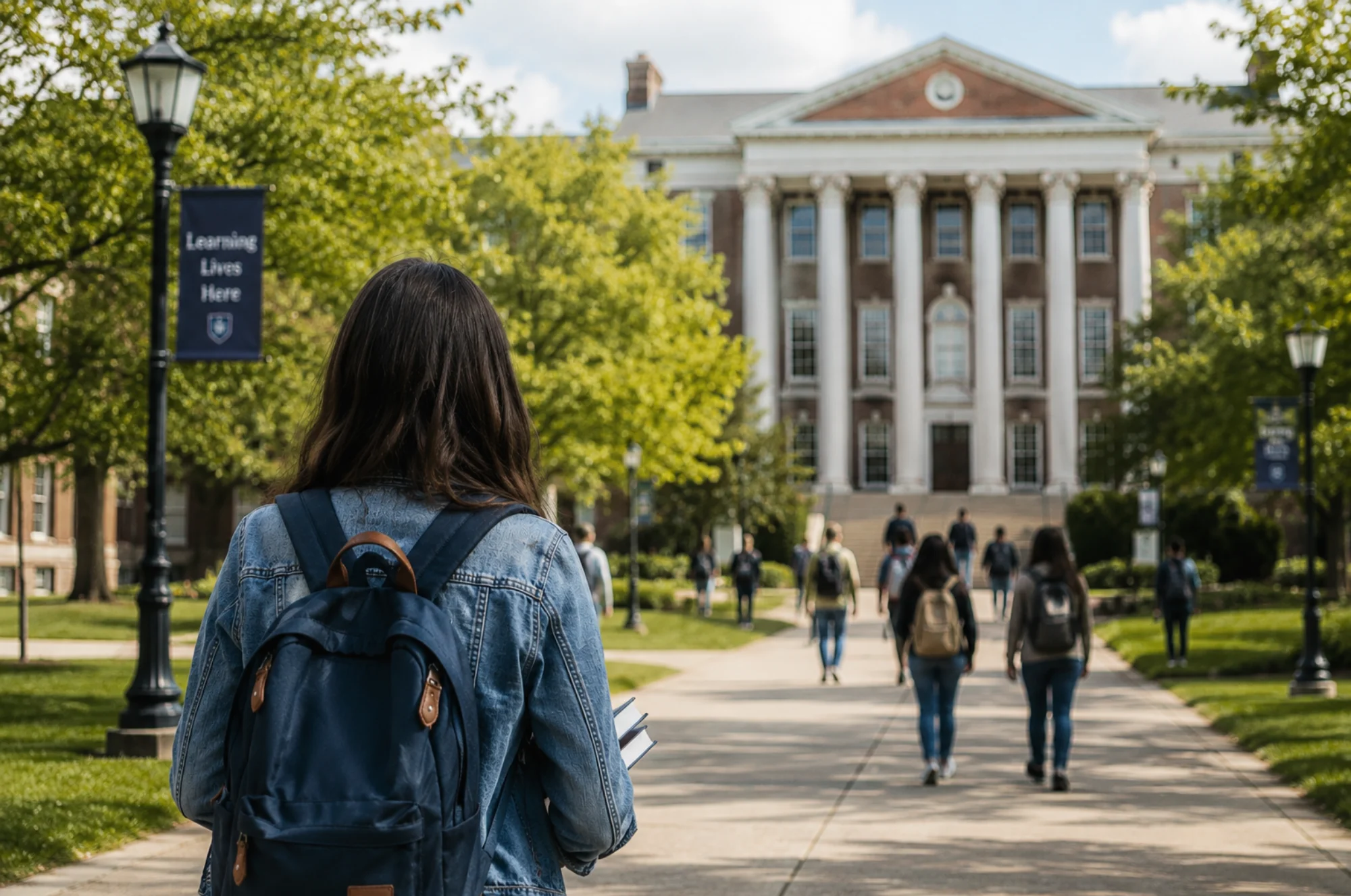


The answer is usually no in a formal sense. Most colleges in the United States do not enforce strict clothing rules for daily classes. Instead, colleges rely on shared expectations rather than written rules.
These expectations vary depending on the setting, activity, and purpose. Knowing how this works helps students feel prepared and confident on campus.
 For example, Liberty University asks students to follow modest dress standards. Guidelines limit items like very short shorts, low-cut tops, or clothing with particular messages or slogans. These rules reflect the school’s religious values, not academic ability.
Another example is Brigham Young University, where students agree to an honor code. The code includes expectations regarding grooming and clothing, including restrictions on casual wear in some campus spaces.
Military academies such as the United States Military Academy have the most structured requirements. Students wear uniforms daily, follow grooming standards, and follow strict appearance rules. These policies support discipline and training, not classroom performance.
These schools are exceptions. Most colleges do not enforce clothing rules in this way, and daily dress choices remain flexible at most institutions.
For example, Liberty University asks students to follow modest dress standards. Guidelines limit items like very short shorts, low-cut tops, or clothing with particular messages or slogans. These rules reflect the school’s religious values, not academic ability.
Another example is Brigham Young University, where students agree to an honor code. The code includes expectations regarding grooming and clothing, including restrictions on casual wear in some campus spaces.
Military academies such as the United States Military Academy have the most structured requirements. Students wear uniforms daily, follow grooming standards, and follow strict appearance rules. These policies support discipline and training, not classroom performance.
These schools are exceptions. Most colleges do not enforce clothing rules in this way, and daily dress choices remain flexible at most institutions.
Key Takeaways
- Most colleges in the United States do not enforce a formal dress code for daily classes, relying instead on informal social norms and basic conduct policies.
- What students wear on campus is usually driven by comfort, weather, and routine, with casual clothing being the norm in classrooms and shared spaces.
- Dress expectations can change in specific situations, such as career events, presentations, labs, or settings that resemble a professional environment.
- Some colleges do have dress codes, mainly religious, military, or values-based institutions, and these rules are typically clear and published in advance.
- Research shows that clothing has little impact on academic outcomes, which helps explain why most colleges favor flexibility over strict rules.
What is the Norm for Colleges and Dress Codes?
Colleges rarely publish rules that control what students wear to class each day. Students are free to choose clothing that fits their comfort and style. This freedom reflects how colleges view students as adults and ties into broader university requirements students are expected to understand and follow. Schools expect students to make reasonable choices without close control. Problems only arise if clothing breaks conduct rules or disrupts learning.Dress Codes in Colleges
In many cases, it does not mean a written policy. It often refers to social norms that develop over time. Colleges focus on maintaining respectful learning spaces. Clothing that causes disruption may draw attention, but most outfits do not. This approach balances personal choice with shared space.College Dress Codes in the USA
A typical college dress code in the United States is informal. Most lecture halls, libraries, and dining areas allow casual clothing. Comfort matters more than appearance. In the U.S., dress codes deemed acceptable for higher education institutions reflect cultural values. Schools support self-expression and personal choice. This is why uniforms and strict rules are uncommon even at top-ranked science colleges.What to Wear to Campus
Students usually choose clothes that are suitable for long days and walking. Comfort comes first. Weather and class schedules also shape choices. In daily life, students wear casual items like jeans and light tops. In warm areas, tank tops are standard. In relaxed settings, flip-flops may be worn, though not everywhere in the country. These choices show how informal campus life can be.Colleges With Dress Codes
Some colleges with dress codes set clear clothing rules based on their mission or structure. These rules are usually written and shared with students before enrollment. Religious and military schools are the most common cases.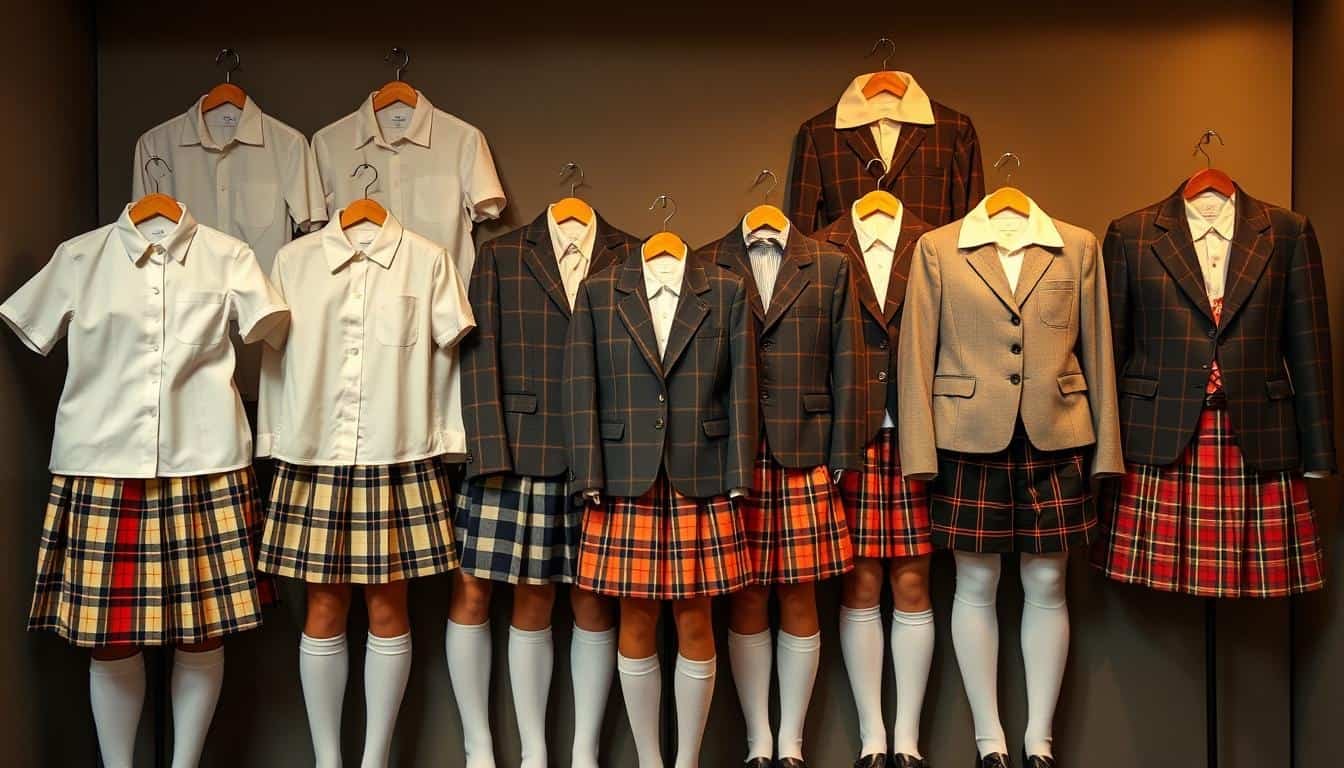 For example, Liberty University asks students to follow modest dress standards. Guidelines limit items like very short shorts, low-cut tops, or clothing with particular messages or slogans. These rules reflect the school’s religious values, not academic ability.
Another example is Brigham Young University, where students agree to an honor code. The code includes expectations regarding grooming and clothing, including restrictions on casual wear in some campus spaces.
Military academies such as the United States Military Academy have the most structured requirements. Students wear uniforms daily, follow grooming standards, and follow strict appearance rules. These policies support discipline and training, not classroom performance.
These schools are exceptions. Most colleges do not enforce clothing rules in this way, and daily dress choices remain flexible at most institutions.
For example, Liberty University asks students to follow modest dress standards. Guidelines limit items like very short shorts, low-cut tops, or clothing with particular messages or slogans. These rules reflect the school’s religious values, not academic ability.
Another example is Brigham Young University, where students agree to an honor code. The code includes expectations regarding grooming and clothing, including restrictions on casual wear in some campus spaces.
Military academies such as the United States Military Academy have the most structured requirements. Students wear uniforms daily, follow grooming standards, and follow strict appearance rules. These policies support discipline and training, not classroom performance.
These schools are exceptions. Most colleges do not enforce clothing rules in this way, and daily dress choices remain flexible at most institutions.