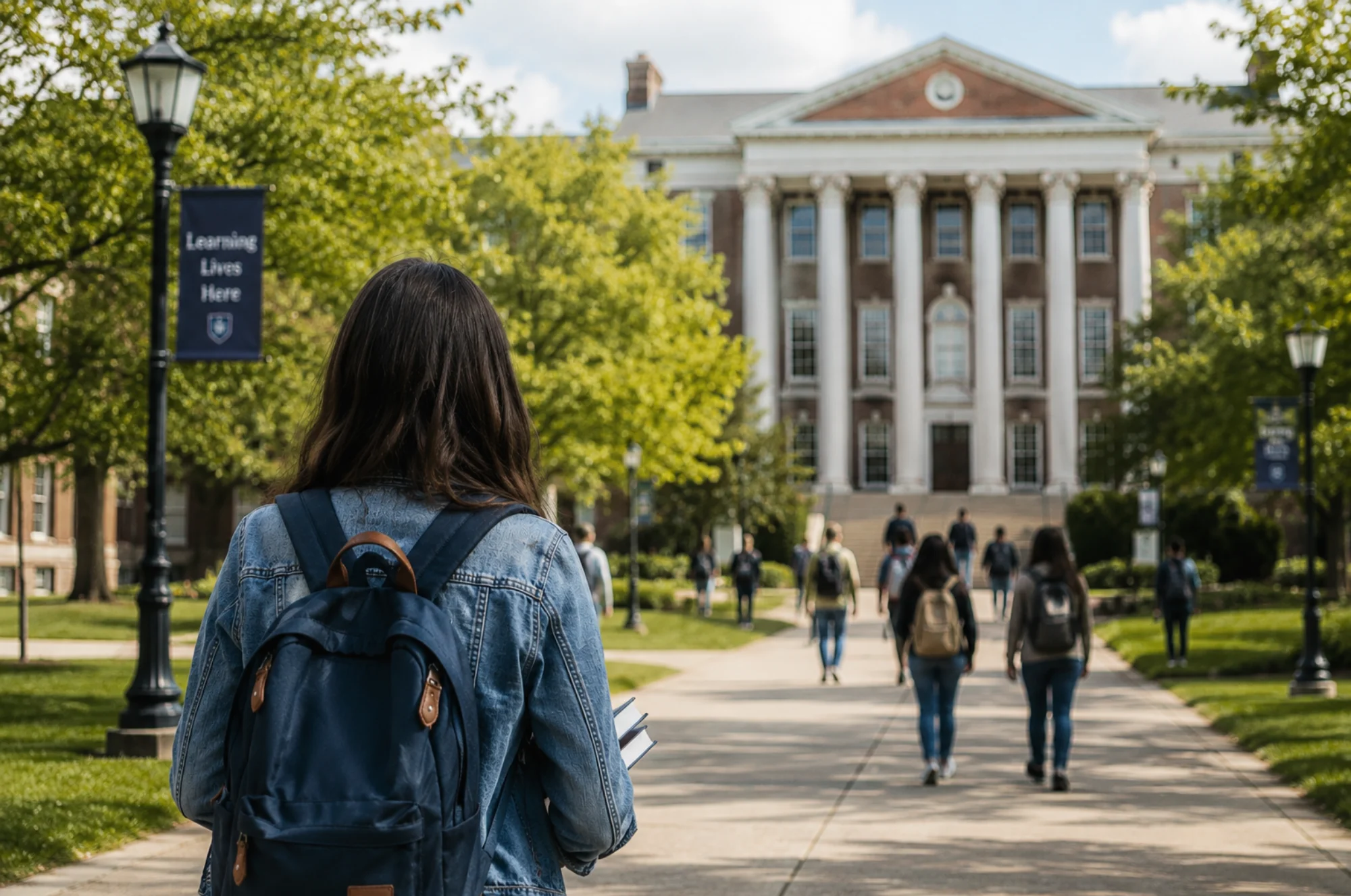


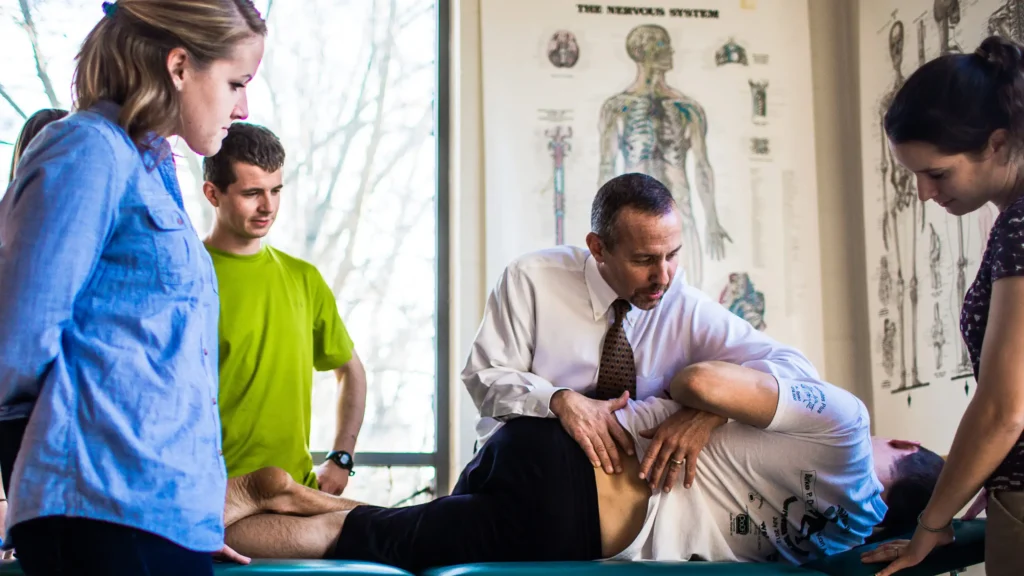
What Colleges Are Best for Physical Therapy often comes up when students compare Doctor of Physical Therapy programs and long-term career paths. Several schools are commonly recognized for intense preparation, including the University of Southern California, the University of Pittsburgh, Duke University, Washington University in St. Louis, and Northwestern University.
These programs are known for combining clinical exposure, research access, and structured training with major medical systems.
At the same time, no two programs operate the same way. Some emphasize research and academic development. Others prioritize clinical hours and patient interaction. Understanding how each program is structured helps you compare schools based on how they prepare students, not just name recognition.
Key Takeaways
- The best colleges for physical therapy differ by goals, degree path, and preparation, so no one school fits everyone.
- Undergraduate study builds core skills, but licensure requires an accredited doctoral-level physical therapy program.
- Kinesiology programs often prepare students for this path, but quality depends on coursework, advising, and applied learning.
- Rankings help compare schools but do not show student support or personal fit.
- Location, cost, accreditation, and program structure all shape education choices.
What Colleges Have the Best Physical Therapy Programs?
Colleges with strong physical therapy outcomes often share common traits.
- The University of Delaware links science courses to graduate physical therapy goals. Students gain early lab and clinical exposure before doctoral study.
- The University of Pittsburgh offers clear advising and required observation hours. Its approach supports steady skill growth over time.
- Washington University in St. Louis focuses on movement science and health fields. Students also train in teaching hospitals and care settings.
- The University of Florida pairs strong academics with early clinical exposure. This helps students learn about patient care before advanced training.
Across these schools, success comes from structure, guidance, and steady preparation.
Why “Best” Depends on Your Goals
Students choose programs for different reasons. Some want research roles. Others prefer hands-on care or policy work. Cost, location, and student support often matter as much as reputation. Clear goals lead to better choices.
How Physical Therapy Schools Are Ranked
Ranking systems compare schools using shared data. This often includes test scores, research output, and faculty reputation. Rankings give a broad view, not a complete picture.
What Rankings Measure – and Miss
Rankings rarely show advising quality or student support. They also do not explain how well a program prepares students for later stages. Most lists focus on research and peer views, not cost or fit.
Best Colleges for Physical Therapy Undergraduate Programs
Strong undergraduate preparation for physical therapy focuses on science coursework, advising, and early exposure to healthcare rather than early specialization.
Many large universities provide this foundation, including the University of Michigan – Ann Arbor, the University of Florida, Boston University, and the University of Texas at Austin. These schools emphasize biology, chemistry, physics, and related health sciences while supporting observation and clinical exposure.
This approach allows students to build flexibility before applying to Doctor of Physical Therapy programs.
What Major Is Best for Physical Therapy?
Many students choose a kinesiology major because it covers movement, anatomy, and biology. Others select related health fields. The key is meeting the required prerequisites.
Kinesiology Degree Programs
Strong kinesiology degree programs include courses on movement, muscles, and injury risk. Classes often link theory to physical activity and performance.
Students should review course depth and support. Exposure to strength and conditioning, sports medicine, and athletic training can shape interests. A clear program outline helps set expectations.
Accelerated and Direct Entry PT Programs
Some schools offer faster study paths. These options fit students with clear goals and strong records.
Best 3+3 Physical Therapy Programs
Boston University, Marquette University, Creighton University, and the University of the Sciences have offered structured 3+3 paths. These programs combine undergraduate study with early entry into a graduate program in physical therapy.
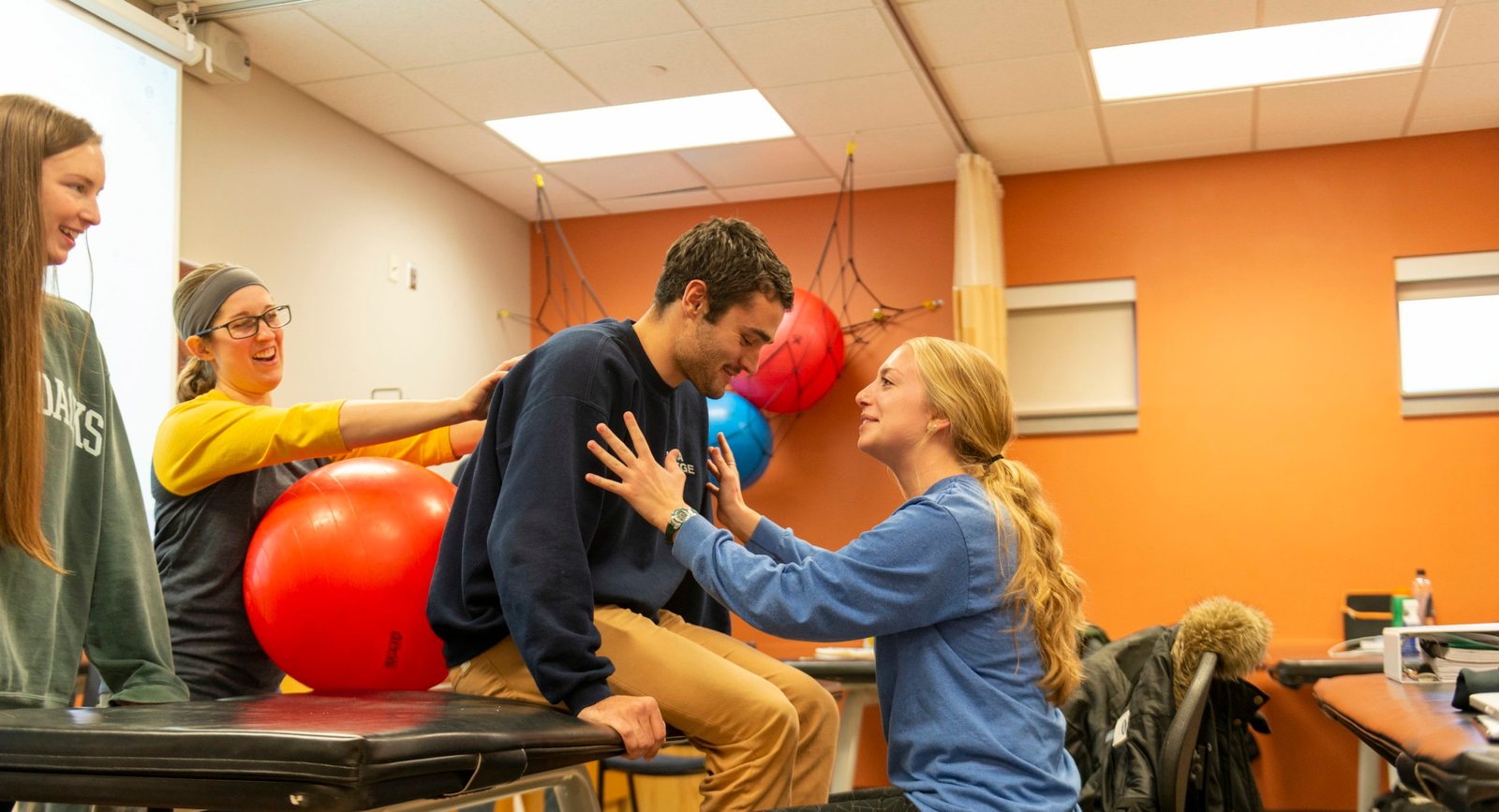
These tracks require early planning and fixed course sequences. Students must meet set standards to stay on track.
Who These Programs Are Best For
Accelerated paths fit students who manage a full-time academic load well. Flexibility is limited, so commitment matters. Knowing the structure early helps avoid problems later.
DPT Programs
Licensure requires completing a doctoral-level physical therapy school program. Undergraduate study alone does not qualify graduates to practice.
Most students earn a bachelor’s degree first. They then complete advanced physical therapy education.
Top 10 Physical Therapy Schools
The schools below often appear in national lists of Doctor of Physical Therapy programs and are frequently ranked among the top private colleges in America. These lists focus on doctoral training, not undergraduate study.
- University of Southern California
- University of Delaware
- Washington University in St. Louis
- Duke University
- University of Pittsburgh
- Northwestern University
- Emory University
- Ohio State University
- University of Iowa
- Creighton University
How Location Affects Training and Cost
Clinical placements depend on local partners. Urban areas may include public health settings. Smaller areas may focus on community care. Location shapes both experience and cost.
Is Physical Therapy Harder Than Nursing?
Each field has different demands. Physical therapy focuses on movement and rehab. Nursing centers on patient care and treatment. Both require strong academics and exams.
Daily work varies by role and setting. Knowing these differences helps match training to interests.
Accreditation and Licensure Requirements
Accreditation confirms that programs meet national standards. It protects students and patients.
- Only graduates of accredited programs may pursue licensure.
- Graduates must complete the program and pass the required exams before practice.
Common Misunderstandings About Physical Therapy Colleges
Some believe rankings guarantee outcomes. Others think any science degree leads to practice. A BS in Kinesiology alone does not grant licensure. Clear facts help reduce confusion.
How to Use Rankings in Your Research
Rankings work best as guides, not rules. They help narrow options but should not replace a deeper review. Near the end of the research process, CollegeCommit can offer structured guidance from a private college counselor, and our team works 100% online to support families as they plan next steps.
FAQs on Kinesiology Programs
What are the best kinesiology programs for students interested in physical therapy?
Strong programs focus on anatomy, biomechanics, and exercise science, with lab access and advising tied to graduate needs.
How do colleges with the best kinesiology programs differ from others?
They often provide clear guidance, research access, and exposure to applied fields such as rehab or sports science.
Is there a single best university for kinesiology?
No. The right choice depends on cost, location, class size, and program support.
Are the best colleges for kinesiology always large research universities?
Not always. Smaller colleges can offer strong preparation with closer faculty contact.
Do kinesiology programs guarantee admission to physical therapy school?
No. Admission depends on grades, prerequisites, observation hours, and application strength.