


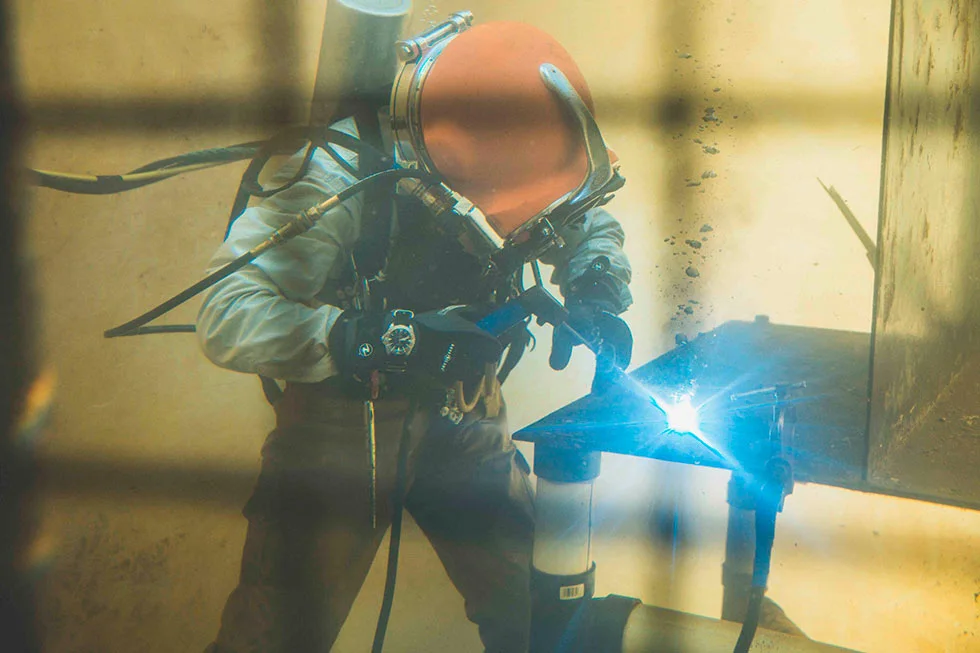
Underwater welding colleges are programs that teach welding and diving together as one skill set. These programs focus on hands-on training rather than academic theory. Students learn to weld metal while working underwater. The goal is to prepare them for technical jobs that require safe work in underwater conditions.
Key Takeaways
- Underwater welding colleges teach welding and commercial diving together, often through specialized training programs rather than traditional degree pathways.
- Training combines classroom instruction, land-based welding practice, and supervised dive work to prepare students for real underwater job conditions.
- Program costs and lengths vary widely, with total expenses influenced by equipment, certifications, housing, and access to open-water facilities.
- Earnings in underwater welding depend on experience, job type, and working conditions, with higher pay typically tied to specialized or offshore roles rather than steady annual work.
- Choosing a program requires comparing safety standards, hands-on training hours, certifications offered, and the extent to which the curriculum aligns with industry expectations.
What Are Underwater Welding Colleges?
Underwater welding colleges are not always traditional colleges with long degree paths. Many are specialized training programs that focus on practical skills. Some are part of a community college, while others operate as private technical schools. All aim to prepare students for entry-level work that combines welding and diving.
How Underwater Welding Training Works
Training usually starts on land before moving into the water. Students first learn safety rules, tool handling, and basic welding skills. This step-by-step process helps reduce risk during underwater work. Programs employ structured methods to maintain consistent learning.
Commercial divingsSkills
Commercial divers must know how to work safely under pressure. Training covers breathing systems, communication lines, and emergency steps. A dive school often uses pools before open water sessions. This helps students build comfort and control underwater.
Underwater welding techniques
Underwater welding training focuses on methods used in real-world work environments. Wet welding is common because it allows direct welding in water. Students practice holding the position and controlling the weld. These skills are taught to match industry standards.
School Requirements and Certifications
Most programs require a high school diploma or similar credential. Students must also pass health checks before starting water work. These steps help ensure safety during training.
Education and medical requirements
Programs often run full-time due to the physical demands of the work. Medical exams check heart health, vision, and hearing. These exams protect students and instructors. Physical readiness is a key part of enrollment.
Welding and diving certifications
Students earn certifications after completing training. These may come from a recognized diving institute or welding body. Certifications demonstrate that training meets established safety and skill standards. They help confirm readiness for entry-level roles.
Where You Can Study Underwater Welding
Underwater welding school locations often sit near ports or industrial waterways. These settings allow realistic practice. Access to open water is an important factor in training quality.
Programs are offered in different regions based on access to water and equipment. Coastal areas are common, but inland facilities also exist. Location can affect training style and cost.
Working with an educational consultant in Florida can help compare local training options, as the state hosts several programs due to its long coastline.
Real examples of national underwater welding colleges and related training programs include:
- Divers Institute of Technology (Seattle, WA)
- Commercial Divers International (Arizona & Texas)
- Florida Commercial Diving Institute (Florida)
- Hydroweld (Miami, FL)
- Marine Diving Technology (Santa Barbara City College)
Can You Study Underwater Welding Online?
Online learning alone does not meet training needs for this field. Theory lessons may be online, but water practice must be in person. Skills like balance and weld control require direct supervision. Some programs mix online lessons with on-site dive training.
Program Length and Cost
Program length can range from a few months to over a year. Costs vary based on equipment, facilities, and certifications. Students should review total expenses before enrolling and explore easy-to-receive scholarships that may help offset training costs.
How expensive is underwater welding school?
Tuition can differ widely between programs. Some underwater welding or related commercial dive training programs cost approximately $14,000 to $20,000 in tuition alone, with training lasting approximately 16 weeks. Gear and boards can add a few thousand more to the total cost.
Comprehensive commercial diver training programs (including preparation in diving and welding) may cost approximately $26,000 in tuition, with additional supplies and testing bringing the total cost closer to $30,000.
Additional costs to expect
Medical clearances and dive physicals may cost several hundred dollars before you start water training.
Personal protective equipment, wetsuits, welding helmets, and other equipment are often additional and can add hundreds to thousands of dollars, depending on the program’s scope.
Deep Sea Welding Schools and Advanced Specialization
Deep-sea welding schools focus on work at greater depths. Training includes advanced dive planning and safety steps. These programs usually require prior experience. They are not entry-level paths.

Underwater Welding Salary and Career Outlook
Pay varies based on job type, location, and experience. Work often depends on short-term projects. Conditions can be demanding and require travel.
Experience and job type breakdown
- Entry-Level: Roughly $40,000-$60,000 per year for those new to the field or working inland.
- Mid-Career: About $75,000-$100,000 per year for experienced underwater welders in offshore or more complex environments.
- Advanced and Specialized Roles: Highly skilled workers, especially saturation divers working deep offshore, can earn $200,000-$300,000 or more per year due to higher risk and specialized
Common Underwater Welding Jobs
Jobs include repair, inspection, and support work. An underwater welder may work on bridges, ships, or pipelines. Many roles exist within the commercial diving industry.
How to Choose the Best Underwater Welding Colleges
The best underwater welding schools focus on safety, training hours, and instructor experience. Students should review equipment quality and certification options. Comparing programs helps set realistic expectations, especially for students considering pathways that involve the Common Transfer Application. Decisions should be based on preparation, not promises.
Many programs operate as diving institutes rather than as campus colleges. Training appeals to those seeking an exciting career that involves physical work. The commercial diving industry values safety and skill above speed. Understanding program limits helps guide better choices.
Near the end of your research, it can be helpful to review planning tools from CollegeCommit, which offers guidance on evaluating postsecondary training paths and next steps.