



Competitive schools often expect a GPA of 3.5 or higher, while Ivy League and other highly selective institutions often admit students with GPAs closer to 3.9 or above. The college application process also includes essays, activities, and course rigor.
A 3.0 is often considered the baseline for many, though requirements vary by institution, the difficulty of classes taken, and the strength of the overall college application.
Some colleges publish a minimum GPA requirement, while others compare applicants to the typical academic profile of admitted students. Understanding GPA requirements for college helps students see how their grades compare with admission expectations.
Key Takeaways
- The GPA required to get into college varies by school. Many colleges compare your grades with the average GPA of admitted students instead of using a strict minimum.
- Admissions teams review GPA along with other factors. These include course difficulty, grade trends, and whether students took challenging classes such as Advanced Placement courses.
- GPA expectations change by school type. Less selective colleges may accept lower GPAs, while highly selective universities often admit students with stronger grades.
- A high GPA can strengthen an application, but it does not guarantee admission. Colleges also review essays, activities, and standardized test scores.
- Students can use GPA calculators and compare their grades with school averages to build a college list that includes safety, match, and reach schools.
What GPA Is Needed to Get Into College
There is no single number that represents the exact minimum GPA for college. Colleges set different expectations based on their selectivity and academic programs. A good GPA at one school may be considered average at another.
Most schools calculate the grade point average GPA using the 4.0 scale. A higher GPA often strengthens an application, but it is not the only factor admissions teams consider. Essays, activities, and course difficulty also matter.
GPA Requirements and Average GPA for College
Understanding GPA requirements means knowing the difference between a minimum GPA and an average GPA. Some schools set a minimum GPA that allows students to apply. Others admit students from a broader academic range but accept applicants with stronger records.

Average GPA data helps students understand how competitive a school may be. Regional universities may admit students with GPAs in the mid-3 range, while highly selective institutions often report higher averages.
Minimum GPA Requirement vs Average GPA
A minimum GPA requirement allows a student to apply, but does not guarantee admission. Many admitted students may have higher grades.
Average GPA statistics often provide a clearer benchmark. Admissions teams also review grade trends and academic context when evaluating applicants.
What Is a Good GPA for College Admissions?
The minimum GPA depends on the institution. Many competitive universities admit students whose grades approach the top of the 4.0 scale. A large state university may offer a broader range of academic programs.
Students should compare their GPA with the typical profile of admitted applicants to understand their competitiveness.
Typical GPA by College Selectivity
College selectivity strongly affects GPA expectations. Less selective colleges may admit students with GPAs ranging from about 2.5 to 3.3. Moderately selective schools often report averages near the mid-3 range.
Highly selective universities usually admit students with stronger academic records and challenging coursework.
How Colleges Evaluate GPA
Admissions committees rarely review GPA alone, as each admissions officer evaluates transcripts to understand course difficulty and academic opportunities at a student’s school. Some schools use a weighted GPA system that gives extra value to advanced classes.
What GPA Do Colleges Look At: Weighted or Unweighted
Colleges often review both weighted and unweighted GPAs. An unweighted GPA reflects raw grades, while a weighted GPA accounts for the difficulty of classes.
Comparing both numbers helps admissions teams evaluate academic preparation. Top schools may also place close attention on weighted GPA when reviewing rigorous coursework, especially at highly selective institutions.
Course Rigor and Academic Difficulty
Course rigor plays an important role in admissions decisions. Students who take advanced classes demonstrate readiness for college-level work.
Many students take Advanced Placement (AP) courses to show they can handle challenging material.
How Colleges Recalculate High School GPA
Some colleges recalculate GPA to compare applicants more fairly. They may adjust grades or remove non-academic courses.
This process helps colleges review students from different schools using a consistent system.
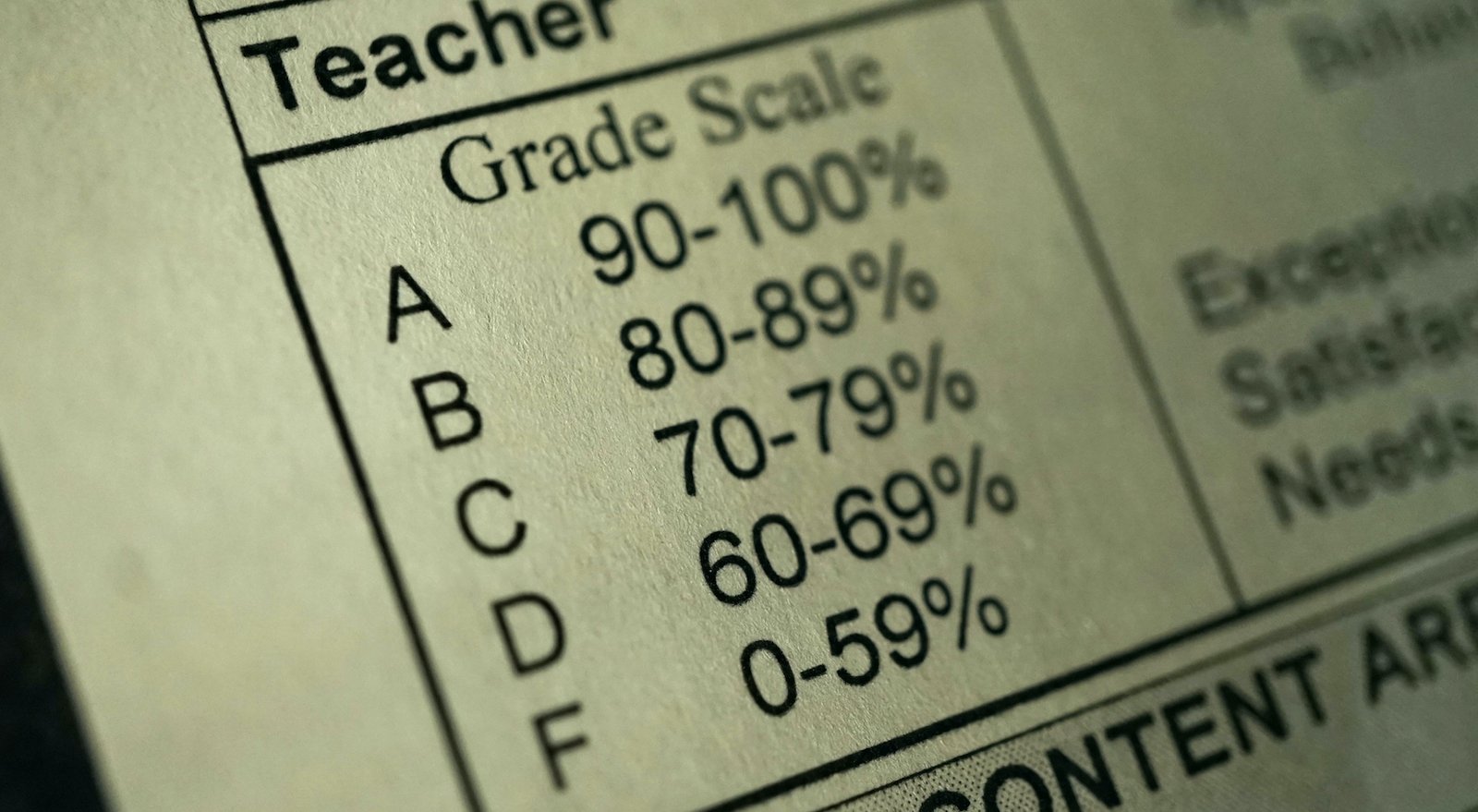
How Colleges Compare Different GPA Scales
High schools may use different grading systems. Because high schools use different grading systems, colleges often review transcripts in context rather than relying on one GPA format alone.
GPA Expectations for Specific College Paths
Students often research GPA ranges connected to specific goals. Understanding these ranges helps applicants see where their academic record fits.
For example, athletes may review the average GPA to get into a D1 college when preparing for college athletics.
What GPA Do You Need to Get Into a Community College?
Many community college systems follow open admission policies. Students who complete high school can usually enroll.
Community colleges often provide transfer paths that allow students to continue into a four-year college later, depending on the type of program described in this guide to college degree levels.
Average GPA to Get Into a D1 College
Division I athletic programs require student-athletes to meet academic standards and maintain academic progress during college. Eligibility rules combine GPA expectations with test results, such as ACT scores.
Minimum GPA to Get Into Harvard
Harvard does not publish a strict minimum GPA. In practice, most admitted students have GPAs close to 4.0 and very strong academic records. Admissions teams review each applicant’s transcript, coursework, and achievements to assess academic preparation and sustained effort.
Does a High GPA Guarantee Admission?
A strong GPA improves an application but does not guarantee admission. Colleges review the full application, and academic strength is only one part of that decision.
Why GPA Alone Does Not Determine Admission
Colleges evaluate many parts of the application: essays, activities, and academic context help admissions teams understand each student. These factors help schools build diverse and balanced incoming classes.
How to Estimate Your GPA
Students can estimate their GPA by converting grades into numerical values and averaging them across classes, often with a GPA calculator.
Using a GPA Calculator
A GPA calculator helps students estimate their GPA by entering grades and course credits. This tool provides a quick estimate of academic standing.
How GPA Calculators Work
Most calculators convert letter grades into numbers using the 4.0 scale and calculate an average. Some tools also include course weighting.
Using GPA to Build a College List
Many applicants use GPA benchmarks when applying to colleges. Comparing grades with school averages helps students build a balanced list.
Safety Schools
Safety schools are institutions where a student’s GPA exceeds the typical admitted GPA.
Match Schools
Match schools are colleges where a student’s GPA aligns with the average GPA of admitted students.
Reach Schools
Reach schools are institutions where the student’s GPA is below the average admitted GPA.
At CollegeCommit, we help students review academic data and plan their admissions strategy with support from a private college counselor as they navigate the GPA-based evaluation process.
FAQs About GPA and Admissions
Will a 4.0 GPA Get You Into College?
Yes, a 4.0 GPA can make you a strong applicant, but it does not guarantee admission to selective colleges.
Can a 3.0 GPA Get You Into College?
Yes, a 3.0 GPA can be enough for many colleges, especially public universities and less selective schools.
Can You Get Into College With a Low GPA?
A lower GPA does not always prevent college admission. Many schools review applications in a broader academic context, as improvement over time and strong coursework can strengthen an application.
Is a 2.7 GPA Considered Low?
A 2.7 GPA is slightly below the national average but still allows students to apply to many institutions. Admissions teams often evaluate grade improvement across several semesters.
Will a 2.5 GPA Get You Into College?
A GPA of around 2.5 may still allow admission at some colleges. Admissions teams often review grade trends and course difficulty, as well as other parts of the application that may also support the candidate.