


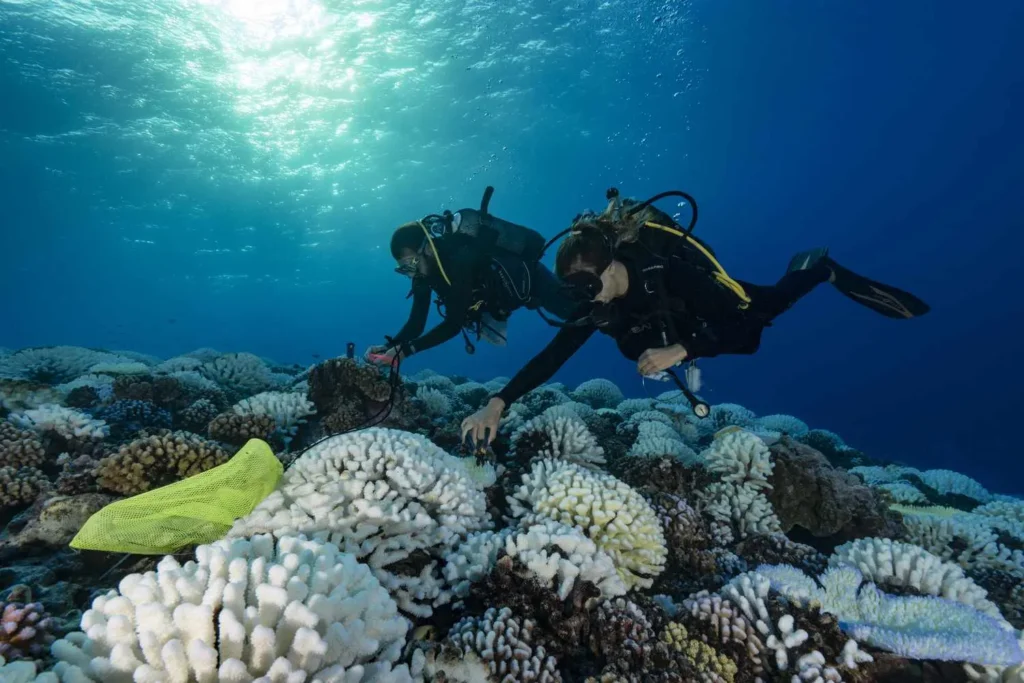
Marine biology colleges in the United States offer degree programs focused on ocean science, marine ecosystems, and aquatic life. These programs prepare students for careers in research, conservation, fisheries, environmental policy, and graduate study.
Well-known options include schools such as the University of California, San Diego, the University of Miami, the University of Washington, Texas A&M University, and the University of Florida. These universities offer strong marine research facilities, coastal access, and specialized faculty.
Comparing location, lab access, research focus, and internship opportunities helps applicants choose programs that align with their academic and career goals.
Key Takeaways
- Marine biology colleges in the United States vary widely in location, focus, and structure, including coastal and inland schools with different teaching and research approaches.
- A Marine biology degree combines core science courses with specialized study of marine organisms, ecosystems, and ocean systems, often requiring laboratory and fieldwork.
- Rankings such as the Top 10 marine biology colleges reflect factors like research activity and resources, but they do not determine the best fit for every student.
- Hands-on experience matters, so access to marine laboratories, field research, and research programs should be a key factor when comparing schools.
- Marine biology graduate programs build on undergraduate training with advanced research and independent study, preparing students for graduate-level roles in science and education.
What Are Marine Biology Colleges?
Marine biology colleges prepare students to study marine organisms and their environments. Most programs sit within larger biological sciences departments. Students learn how ocean life interacts with water, climate, and other species. Courses mix classroom learning with practical study.
Best Marine Biology Colleges and Top Programs
When people search for the best marine biology colleges, they usually want schools with strong teaching and active research. Lists such as the Top 10 marine biology colleges often focus on funding, faculty size, and access to labs or field sites, much as top-ranked science colleges are evaluated. These factors help explain why certain schools appear often, but they do not tell the full story.
For example, the University of Miami is known for its proximity to coral reefs, which supports field studies. UC Santa Barbara is recognized for research in marine ecology and ocean systems. The University of Washington offers access to coastal waters and large research labs. The College of Charleston includes fieldwork as part of regular coursework. Each school supports learning in a different way.
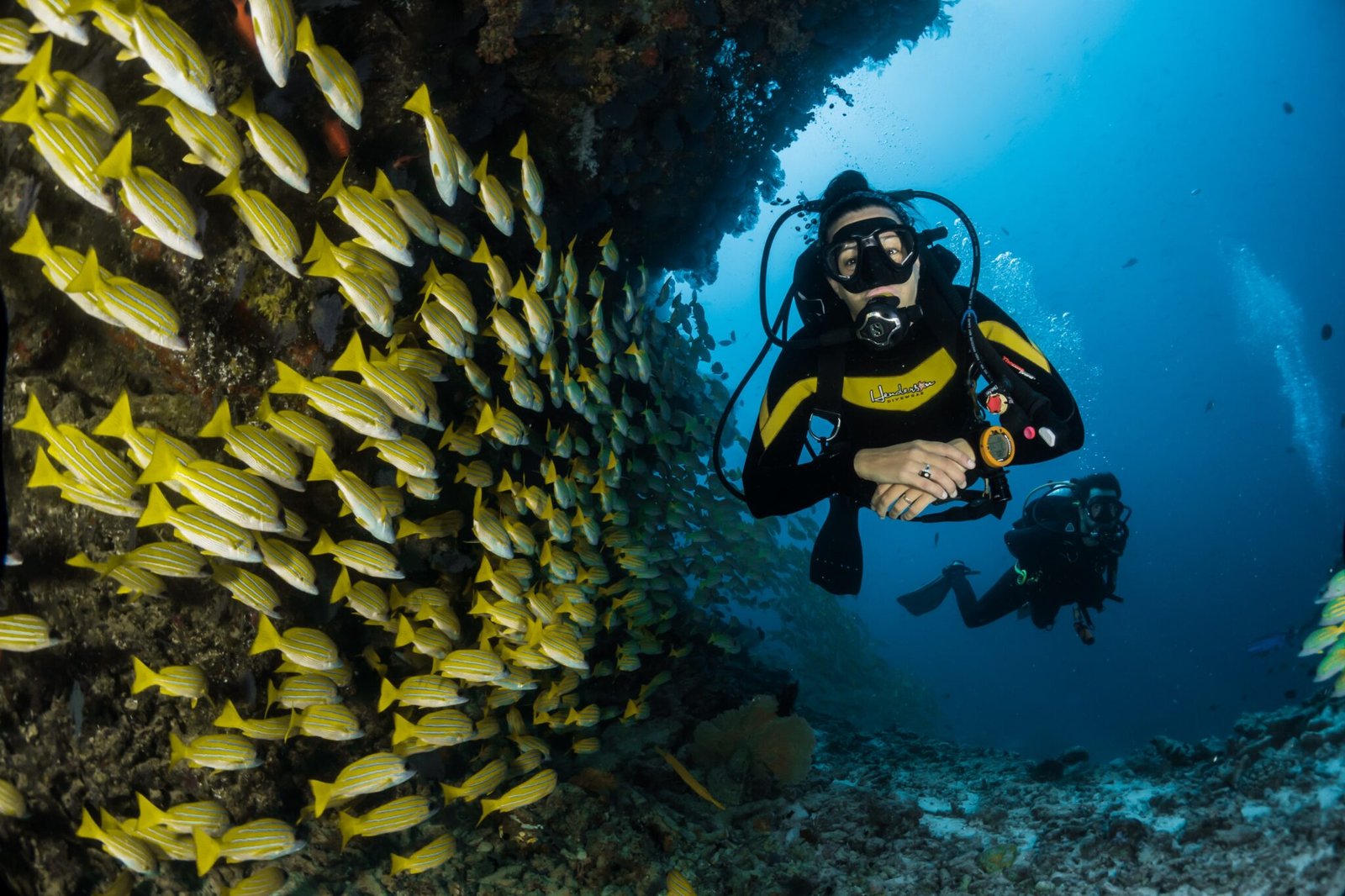
These examples show that strong programs can look very different. Some focus on fieldwork, while others focus on lab research or data analysis. Rankings do not mean one program fits everyone. Academic focus, location, and learning style still matter when choosing a program.
Where Marine Biology Is Taught
Marine biology is taught in many parts of the country. In the New York and Brooklyn area, programs often collaborate with nearby research centers and coastal partners. In Florida, schools benefit from easy access to oceans and reefs, which often shape academic planning with support from an educational consultant in the area. Inland states also offer solid training through labs and freshwater sites. These schools with marine biology programs show that a coastal location is helpful but not required.
Marine Biology Degree Options
At the undergraduate level, students typically earn a degree in marine biology through a marine sciences program. Some colleges offer a degree in marine science with a clear emphasis on ocean life. Coursework often includes biological oceanography and other core subjects. Students move from basic science classes to more advanced study over time.
Is Marine Biology a hard major?
Marine biology can be demanding due to its scientific focus. Students in the marine biology major complete courses in mathematics, chemistry, and upper-level biology. Many programs also require field research and lab work. Good planning helps manage the workload.
How to Compare Colleges for Marine Biology
Comparing colleges begins by reviewing what each program offers and the required courses in marine biology. Access to marine laboratories and organized research programs supports learning. Location affects how often students can take part in field research. Faculty experience and facilities also shape outcomes, alongside cost factors explained in the difference between scholarship and financial aid.
Understanding Marine Biology Degree Pathways and Outcomes
Many programs outline clear paths for graduate students seeking research or teaching roles. Marine biology graduate programs focus on hands-on research and supervised projects. These experiences help students build practical skills over time. The training gives insight into daily work in marine science settings.
Near the end of the college search process, we at CollegeCommit help families understand admissions steps and timelines, including Early Action, Early Decision, Restrictive Early Action, and Regular Decision through the Common App.