



To get into nursing school, students usually need to complete prerequisite courses, maintain a competitive GPA, take any required entrance exam, and submit a complete application on time. Most schools review science grades, academic readiness, and application materials to decide whether a student is prepared for nursing education.
Students can apply through different paths, including associate degree programs, BSN programs, and accelerated options for those with prior bachelor’s degrees. The sections below explain the main requirements, application steps, and program choices in clear terms.
Key Takeaways
- Getting into nursing school usually requires strong grades, completion of science prerequisite courses, and a complete application that includes transcripts and exam scores.
- Applicants should research accredited programs early, complete required coursework, and submit application materials before each school’s deadline.
- Students can enter nursing through several pathways, including associate degree programs, BSN programs, or accelerated programs for those with prior degrees.
- Clinical training and licensing exams are essential steps after graduation, as all registered nurses must pass the NCLEX before practicing.
- Planning ahead, maintaining strong academic performance, and understanding admission requirements can help applicants prepare effectively for nursing education.
Nursing School Admission Requirements
Most nursing schools check several academic factors before accepting students. Programs usually review grades, science preparation, and admission tests. These details help schools decide if an applicant is ready for healthcare study. The admissions process for nursing programs often starts with meeting basic academic standards.
Many programs require good performance in science and math. Schools want students who can succeed in medical classes. Applicants also need to complete the required science classes before applying. These classes prepare students for advanced nursing courses.
Typical GPA Requirements
Most programs set a minimum GPA for admission. Competitive schools may expect higher grades in science subjects. Strong performance in biology, chemistry, and math can help an application.
Admissions teams study transcripts to understand a student’s academic record. Science grades are especially important. They show whether students can handle demanding nursing courses.
Common Prerequisite Courses
Before applying, students must complete prerequisite courses that fall under broader nursing major requirements. These classes build the knowledge needed for nursing education.
Common examples include:
- Biology
- Chemistry
- Anatomy and physiology
- Microbiology
- Statistics or algebra
These subjects prepare students for later nursing courses and patient care training.
Entrance Exams for Nursing Programs
Some schools require an admission test to measure academic readiness. One common exam is the Test of Essential Academic Skills. It measures understanding of reading, math, and science.
Schools use these exams to compare applicants fairly. Good scores can support a stronger application during the admissions process.
Steps to Get Into Nursing School
The path to nursing school usually follows a series of steps. Students learning how to get into a nursing program can plan each step more clearly.
Most applicants begin by researching schools and program rules. They then complete the required classes and prepare application materials. Each step helps schools evaluate readiness for healthcare education.
Research Accredited Nursing Programs
Students often start by looking at schools that offer nursing education. Accreditation shows that programs meet national education standards.
Different colleges offer different degree programs and training options. Comparing programs helps students choose schools that match their career goals.
Complete Required Prerequisites
Prerequisite courses are an important step before applying. These classes prepare students for medical study.
Students often complete them during college or community college. Completing these courses shows academic readiness for nursing study.
Prepare Application Materials
A nursing school application includes several documents. These materials help schools review each applicant’s academic background.
Applications often include transcripts, test results, and personal statements. Some schools may also request recommendation letters.
Submit Nursing School Applications
The final step is submitting applications before each school’s deadline. Requirements may differ between institutions.

Many students apply to several schools to increase their chances of admission. A strong nursing school application helps show preparation and commitment.
Clinical Training Requirements
Clinical training is a key part of nursing education. During this stage, nursing students practice skills in real healthcare settings.
Students complete a clinical rotation under the supervision of instructors and medical staff. They learn patient care, safety procedures, and teamwork. Clinical training connects classroom lessons with real patient care.
How to Get Into Nursing After High School
Some students begin preparing for nursing careers while still in high school. Early planning can make college preparation easier.
Science and math classes help build a strong academic base for future nursing students, a good starting point for anyone still weighing what to study in college. Students who want to compare broader academic options can also explore top-ranked science colleges before choosing a healthcare pathway.
Students exploring how to get into nursing right after graduation often apply to undergraduate programs. Students who want a clearer overview of degree terms can also review what BS stands for in college when comparing academic pathways.
Getting Into Nursing School With No Experience
Many applicants worry about applying without healthcare experience. Most nursing schools accept students who do not yet have medical work experience.
Volunteer work can help students learn about healthcare environments. Some students assist in hospitals or community clinics.
Experience can help, but it is not always required. Schools usually focus more on grades and prerequisite courses.
Alternative Paths Into Nursing School
Students follow different paths when applying to nursing programs. Some people decide to study nursing after completing another degree.
Students with bachelor’s degrees in other subjects may apply to accelerated degree programs. These programs help career changers enter nursing more quickly.
Some applicants complete science classes before applying. Understanding how to get into nursing school without prerequisites often means taking these courses first.
Students with a lower GPA may improve their academic record through extra coursework. Additional science classes can strengthen an application.
How to Get Into an RN Program
Registered nurses must complete a training program and pass a licensing exam. Students researching how to get into an RN program usually choose among several educational paths.
Associate Degree in Nursing Programs
The associate pathway prepares students for RN licensure more quickly. The ADN degree usually takes about 2 years.
These programs focus on patient care skills and clinical training. Graduates can take the licensing exam after completing the program.
Bachelor of Science in Nursing Programs
Many universities offer BSN programs that lead to a Bachelor of Science degree, one of several college degree levels nursing students can pursue. These programs usually take four years and include broader training in patient care, leadership, and healthcare systems. Some schools also introduce students to evidence-based practice and research nursing concepts as part of their academic preparation.
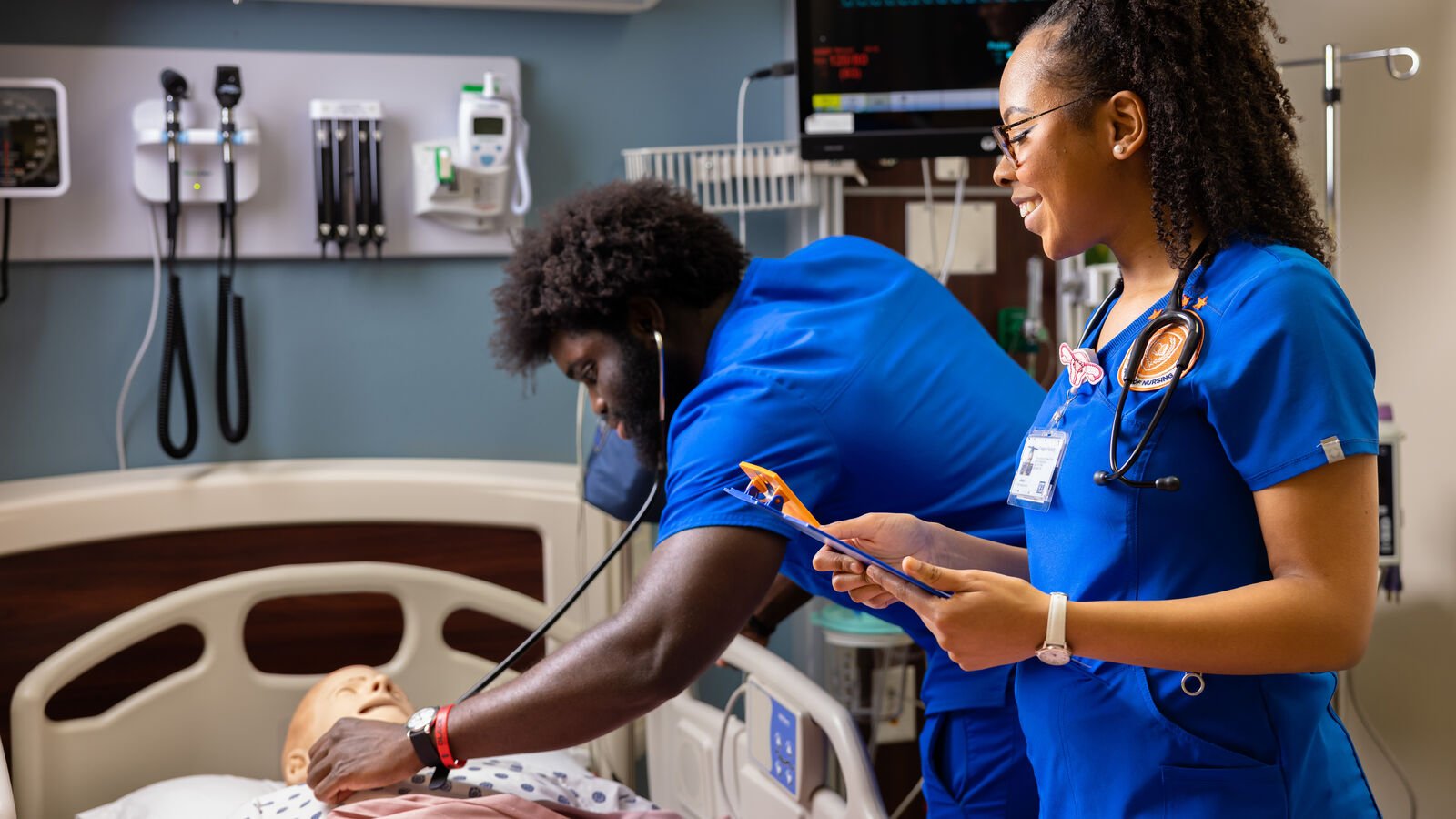
This path can help students build a strong foundation for both clinical work and long-term career growth.
Accelerated RN Programs
Accelerated programs allow students with prior degrees to enter nursing programs more quickly. These programs shorten the training time.
Students complete intensive nursing courses and clinical education. This path helps career changers move into healthcare careers.
Is It Hard to Get Into Nursing School
Nursing school can be hard to get into, especially at competitive BSN programs with limited seats. Some programs accept only a limited number of applicants.
Nursing education includes complex science subjects and patient care training. Schools often select students with strong academic preparation.
Admissions teams review GPA, exam scores, and completed courses. Students who prepare early may have stronger applications.
What Disqualifies You From Becoming an RN
Several factors can affect eligibility for nursing programs or RN licensure, including low GPA, missing prerequisite courses, and certain legal issues.
Students who do not meet GPA requirements or pass prerequisite courses may need to improve their academic record before reapplying.
Licensing boards may also conduct background checks. Certain legal issues may affect eligibility depending on state laws.
Nursing School Costs and Financial Aid
The cost of nursing education varies by program and institution. Tuition, books, and training fees contribute to the total cost.
Many schools offer financial aid to help students pay for their education. Support may include scholarships, grants, or institutional funding.
Students should research financial aid early in their planning and understand whether FAFSA covers all tuition when evaluating how to pay for nursing education. Understanding available funding can help reduce financial barriers.
Nursing Programs in New York
Admission requirements can vary by state and institution. In New York, students can explore both community college and university nursing pathways. Some schools offer two-year programs for entry-level nurses, while others offer longer degree options that lead to RN licensure. SUNY nursing programs are one example of public institutions that provide nursing education.
Applicants should review each school’s admission rules carefully before applying. Program requirements may differ in areas such as prerequisite courses, GPA standards, entrance exams, and application deadlines.
After Nursing School: Licensing and Career Path
Graduating from nursing school is only the first step toward becoming a registered nurse. For a full overview of what schooling is required to become a nurse, from prerequisites through licensure, see our complete guide. Graduates must pass the NCLEX licensing exam.
This exam measures patient care knowledge and safety skills. Passing the exam allows graduates to begin work as nurses.
Many graduates work in hospitals, clinics, or other healthcare facilities. These workplaces provide opportunities for career growth and specialization.
Planning the Nursing School Journey
Getting into nursing school usually requires prerequisite courses, a solid GPA, careful research into schools, and a complete application. Students who start early and understand program requirements often make stronger choices during the admissions process. Nursing also requires both classroom learning and clinical training, so planning ahead can make the path more manageable.
At CollegeCommit, we help families build thoughtful college plans that align with long-term academic and career goals, including healthcare and nursing pathways. Our team helps students prepare thoughtful academic strategies aligned with long-term career goals, and families can also explore guidance from college coaches during the admissions process.
Related Articles
- Medical School Admission Requirements: For students weighing the MD path as an alternative to nursing.
- Most Versatile Degrees: For readers still undecided between nursing and a more flexible major.