



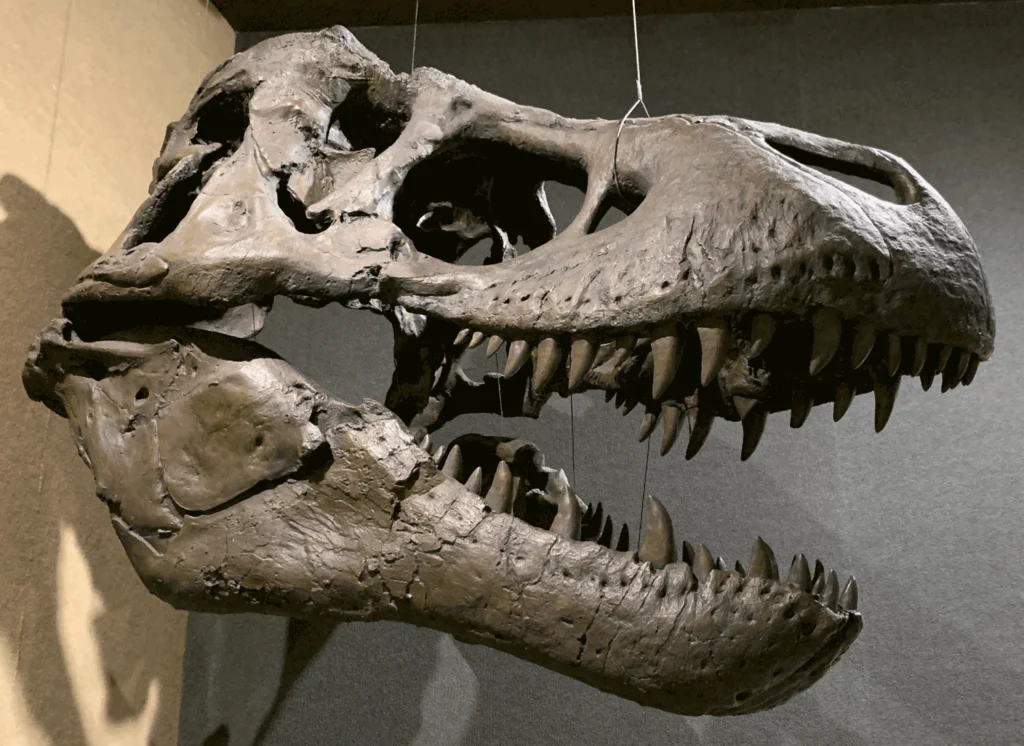
Most of these schools do not offer a standalone paleontology major. Students typically enter through geology, earth science, or biology departments and build toward paleontology through electives, fossil labs, and faculty-led research. Programs with the strongest outcomes tend to integrate museum collections into coursework and give undergraduates early access to specimen preparation, fieldwork, and publishable research.
Key Takeaways
- The best universities for paleontology are typically large research institutions with geology, earth science, or biology departments that include fossil-focused faculty and collections.
- Strong programs share a few core features: faculty who publish in paleontology, access to specimen collections, and clear paths for students to join research projects.
- Current examples include the University of Kansas, UC Berkeley (UC Museum of Paleontology), the University of Michigan (Museum of Paleontology), Yale (Peabody Museum), Harvard (Museum of Comparative Zoology), the University of Washington (Burke Museum), the University of Chicago, and Montana State University (Museum of the Rockies).
- Fieldwork opportunities matter because they teach mapping, careful excavation, and on-site documentation, so confirm how often field trips run and who can participate.
- Graduate study is common for research-focused careers, so plan an undergraduate path that builds lab skills, writing skills, and a research record early on.
What Are the Best Colleges for Paleontology
Many lists of the best universities for paleontology point to research universities with large collections and active faculty projects. The schools below stand out for their combination of research depth, museum resources, and student access.
1. University of Kansas
The University of Kansas is home to the Paleontological Institute, one of the oldest paleontology research centers in the United States. KU’s Biodiversity Institute houses extensive invertebrate and vertebrate fossil collections that support both teaching and graduate research. Faculty depth spans multiple geologic periods, giving students a wide range of potential research directions.
2. UC Berkeley
UC Berkeley supports instruction and research through its UC Museum of Paleontology, one of the largest university-based fossil collections in the country. The campus is known for foundational research on mass extinction events, including key evidence behind the asteroid impact theory. Students can pursue paleontology through the Integrative Biology or Earth and Planetary Science departments at both the undergraduate and graduate levels.
3. University of Michigan
The University of Michigan offers multiple undergraduate pathways through its museum and the Earth and Environmental Sciences department, including research and fossil prep roles in the College of LSA. Undergraduates can pursue a minor in paleontology and use museum facilities for research and senior theses. The Museum of Paleontology houses significant collections of vertebrates and invertebrates that provide students with hands-on experience with real specimens.
4. Yale University
Yale’s Department of Earth and Planetary Sciences covers vertebrate and invertebrate paleontology, taphonomy, and evolutionary patterns. Yale’s Peabody Museum houses millions of specimens, including some of the world’s most recognized dinosaur fossil collections. Students learn through a specimen-based approach, drawing on resources from one of the country’s longest-running paleontology research programs.
5. Harvard University
Harvard offers access to research collections through the Museum of Comparative Zoology, which holds over 90,000 specimens of fossil fish, amphibians, reptiles, birds, and mammals. Core study areas include vertebrate paleontology, invertebrate paleontology, and paleoanthropology. Faculty expertise and centuries-old collections make it one of the most resource-rich environments for graduate-level fossil research in the United States.
6. University of Washington
The University of Washington connects earth science research to the Burke Museum, which maintains a Geology and Paleontology team and large research collections within the Department of Earth and Space Sciences. The paleobiology graduate program draws on museum specimens and regional field sites across the Pacific Northwest. Local museum partnerships also create internship and joint research opportunities for students at various stages of their training.
7. University of Chicago
The University of Chicago offers graduate study through its Committee on Evolutionary Biology, an interdisciplinary program that connects faculty across organismal biology, anatomy, geophysical sciences, and ecology. Instead of requiring a fixed set of core courses, students select classes aligned with their research focus and work closely with faculty mentors. This flexible model supports deep specialization in vertebrate paleontology and related disciplines.
8. Montana State University
Montana State University pairs its Earth Sciences department with access to the Museum of the Rockies, one of the largest dinosaur fossil collections in the world. Students benefit from extensive fieldwork in Montana’s fossil-rich formations, including the Hell Creek and Two Medicine formations. The program has a strong track record in vertebrate paleontology, with active field seasons that regularly contribute new discoveries to the scientific record.
Best Paleontology Programs and Degree Paths
The strongest paleontology programs build skills in three areas: earth history, life science, and research methods. Start by checking whether a school offers upper-level courses in stratigraphy, evolution, and paleo-focused labs.
Then confirm whether students can join research early through credits, lab work, or museum roles. If you want a structured directory of graduate options, the Paleontological Society maintains a list of U.S. graduate programs in paleontology.
What Major Is Paleontology?
Paleontology is not a standalone major at most universities. Students typically major in Geology, earth science, or biology, then build toward fossil-focused study through electives, lab access, and faculty research. Geology and earth science provide the strongest foundation for understanding fossils in rock layers, while biology adds depth in anatomy and evolution. If you are comparing degree types, it may also help to understand what a BS degree means in college.
A degree in paleontology usually comes at the graduate level, where students can specialize in vertebrate, invertebrate, or micropaleontology. When reviewing course catalogs, look for fossil labs, paleo electives, and research seminars tied to active faculty work.
How to Become a Paleontologist
The path to becoming a paleontologist typically starts with an undergraduate degree in geology, earth science, or biology. During those years, focus on gaining lab experience, joining a faculty research project, and completing coursework in evolution, stratigraphy, and field methods.
Most research and museum positions require a master’s degree or PhD, so graduate school is a common next step. Is it hard to become a paleontologist? The field is competitive, and funded graduate positions can be limited.
Students who build a strong research record and publish early improve their chances significantly. Practical experience through fieldwork, fossil preparation, and conference presentations carries as much weight as coursework when applying to graduate programs.
What Students Study in Paleontology
Students learn how fossils form, how rocks preserve them, and how scientists test ideas with physical evidence. Strong programs structure lab time around real specimens, not just models or textbook descriptions, which develops the observational skills needed for graduate-level research.
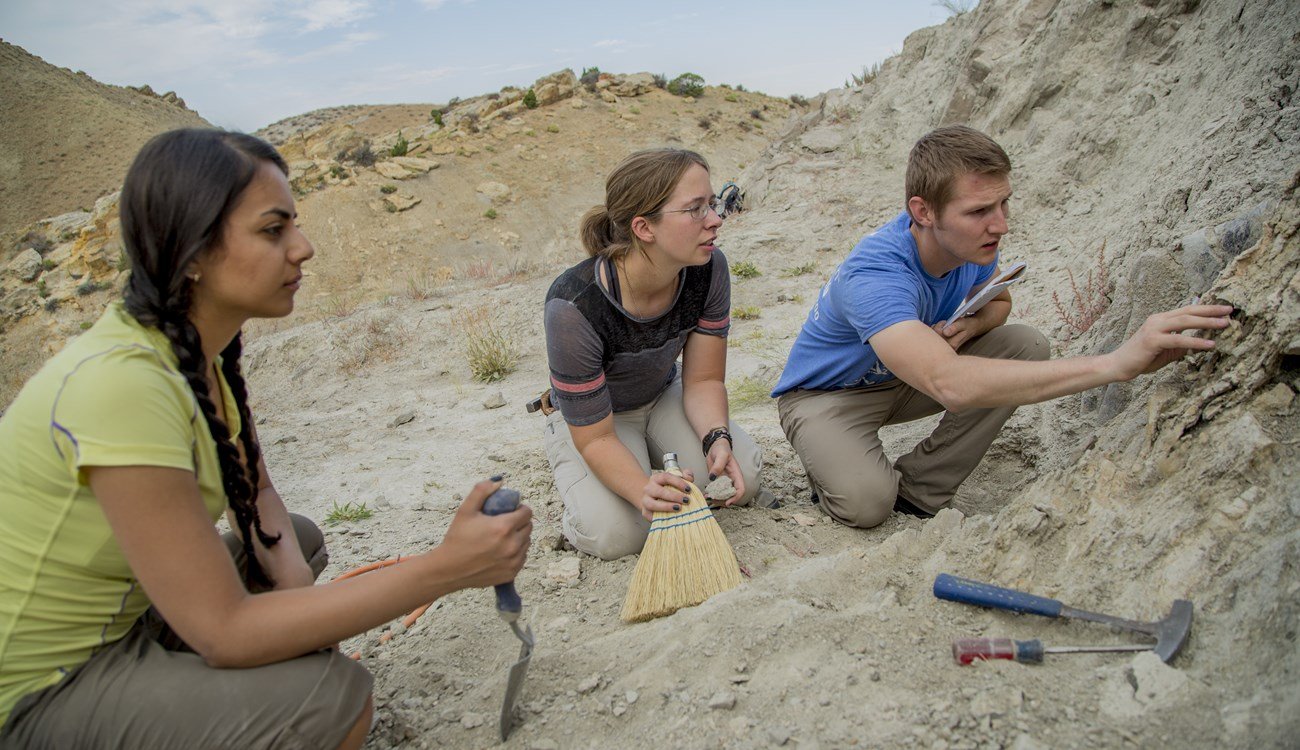
Fieldwork is a critical part of training because it teaches mapping, careful excavation, and the documentation of finds in place. You can often identify strong field programs in course lists and lab pages that describe trips, dig sites, and the specific roles students fill.
How to Evaluate Paleontology Colleges
When comparing colleges for paleontology, focus on access to research and verifiable outcomes. Check whether undergrads can work with real specimens rather than only reading about them. Confirm that faculty publish in areas you want to study and that students can earn credit for research. Museum connections often drive the strongest training, so look for programs where collections are integrated into coursework and thesis work.
How to Evaluate Faculty Research Expertise
Faculty research topics shape what you can study and who can mentor your work. Scan lab pages for current projects, methods, and student involvement. Look for signs of active output, such as recent papers, field projects, or collection work. A good match supports stronger project choices over time.
Access to Fossil Collections
Collections give you the chance to measure, compare, and document real specimens firsthand. Some of the best fossil museum collections in the US are housed at universities rather than public institutions. Yale’s Peabody Museum holds millions of specimens that support research on the history of life, and Harvard’s Museum of Comparative Zoology maintains major fossil holdings. At Michigan, the museum connects collections and fossil prep directly to student research and coursework.
Paleontology Tips for College Students
Start by searching geology and earth science departments at schools in your region, then look for fossil-related research in faculty bios, lab pages, and museum partnerships. Montana State University, for example, runs active field seasons in the Hell Creek Formation that undergraduates can participate in alongside graduate researchers.
Useful steps for narrowing your search include reading faculty publications for fossil-related projects, checking whether undergrads can join research teams, and visiting campus museums when possible. Local natural history museums can also point you toward nearby universities through shared staff, internships, and joint research.
Paleontology Careers and Job Opportunities
Paleontology careers sit across museums, universities, government agencies, and applied earth science roles. The field can be competitive, so research experience and writing skills matter early in your academic career.
Common career paths include museum collections management, fossil preparation, lab research support, field technician roles, science education, and university teaching or research. Your coursework and research record usually carry more weight than the program title alone.
What to Know About Paleontology Careers
Your long-term options in paleontology depend on research experience, writing skills, and how much training you complete. Graduate study opens up more research-focused positions, but it also requires additional time and specialization. Many working paleontologists hold a PhD and split their time between fieldwork, lab analysis, and publishing.
Near the end of your college search, it helps to track program resources, deadlines such as Early Action or Regular Decision, and research fit in one plan, starting with a short list of top-ranked science colleges.
Choosing the Right Paleontology Program
The best colleges for paleontology are usually the ones that give students strong science training, access to fossil collections, active faculty research, and real fieldwork opportunities.
Since many schools do not offer a stand-alone paleontology major, it often makes more sense to compare geology, earth science, and biology departments based on research access, museum ties, and long-term academic fit.
At CollegeCommit, our college advisors help families compare programs, research fit, and long-term academic planning in a structured way. This kind of educational consulting approach works especially well for majors like paleontology that don’t follow one obvious department path. We work 100% online and also help families track common university admission requirements that can affect course selection and application timing.


