

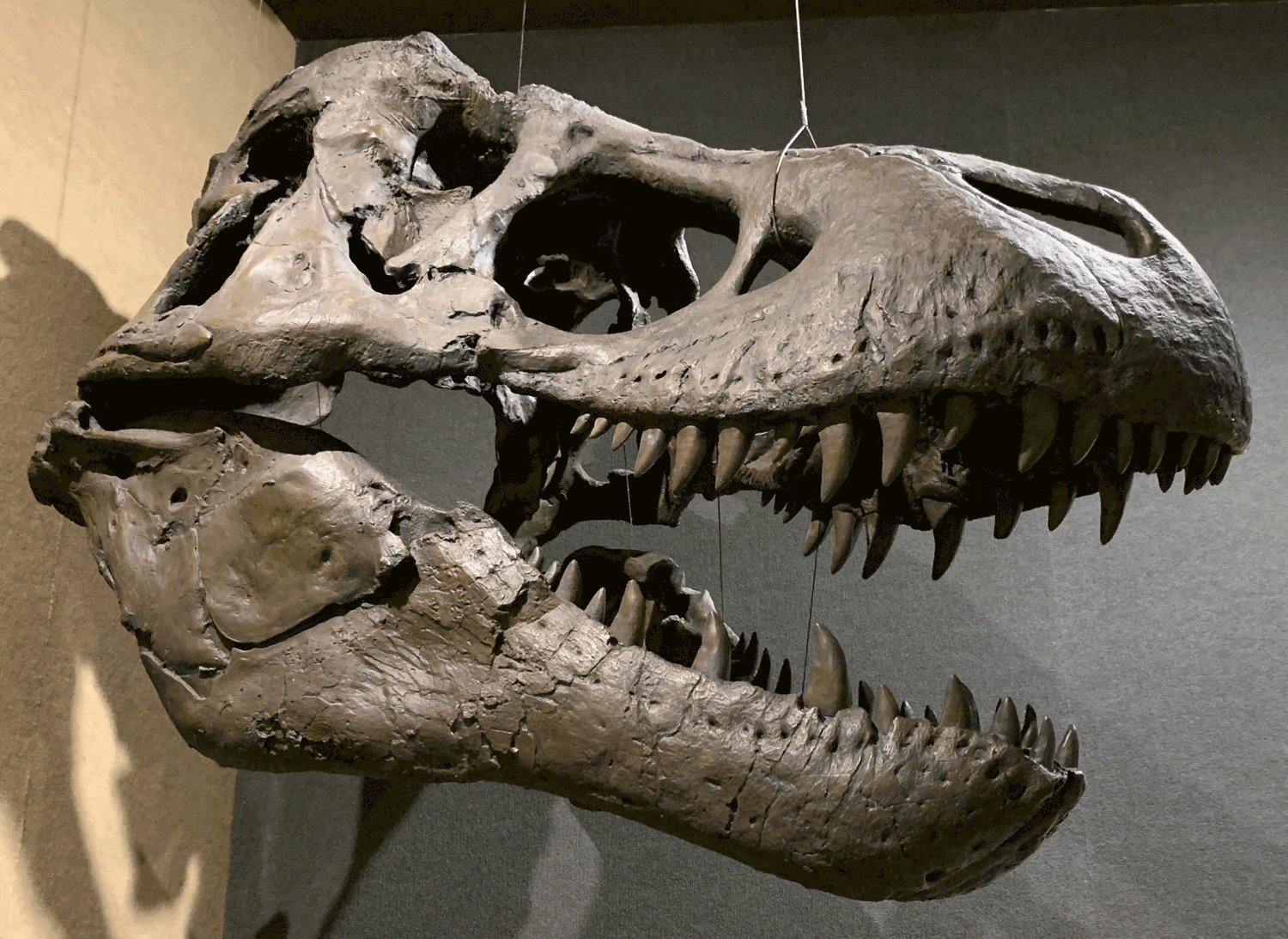
If you are looking for the best colleges for paleontology, focus on schools with strong geology or earth science departments, active paleontology faculty, fossil collections, museum access, and fieldwork opportunities. Many of the best paleontology colleges do not offer a separate paleontology major, so research access and training matter more than the degree title itself.
Some of the top paleontology colleges in the USA include the University of Kansas, UC Berkeley, the University of Michigan, Yale, Harvard, and the University of Washington. These schools offer some of the best paleontology programs for students who want undergraduate and graduate research experience, fossil lab access, and museum-based learning.
Key Takeaways
- Many of the best paleontology options are within geology, earth science, or biology departments, so you should judge the department’s resources and research access, not the major title.
- Current examples with strong fossil research and collections include the University of Kansas, UC Berkeley (UC Museum of Paleontology), the University of Michigan (Museum of Paleontology), Yale (Peabody Museum), Harvard (Museum of Comparative Zoology), and the University of Washington, with the Burke Museum connection.
- Strong programs share a few core features: faculty who publish in paleontology, access to specimen collections, and clear paths for students to join research projects.
- Fieldwork opportunities matter because they teach mapping, careful excavation, and on-site documentation, so you should confirm how often trips run and who can participate.
- Graduate study is common for research-focused careers, so plan an undergraduate and graduate path that builds lab skills, writing skills, and a research record early.
Examples of Strong Paleontology Colleges in the USA
- University of Kansas – Known for strong graduate paleontology research and faculty depth.
- UC Berkeley – Stands out for museum access, fossil collections, and interdisciplinary study.
- University of Michigan – Offers museum-based research, fossil prep access, and undergraduate pathways.
- Yale – Strong museum collections and long-standing paleontology research resources.
- Harvard – Known for major fossil collections and research ties through the Museum of Comparative Zoology.
- University of Washington – Offers research links through Earth and Space Sciences and the Burke Museum.
What Are the Best Colleges for Paleontology
Many lists of the top paleontology colleges point to research universities with large collections and active faculty projects. UC Berkeley supports research and instruction through its Museum of Paleontology, which serves the campus research community.
The University of Michigan highlights multiple undergraduate paths through its museum and Earth and Environmental Sciences, including research and fossil-prep roles in the College of LSA. A practical approach is to check the department pages for faculty labs, recent publications, and examples of student research.
Best Schools for Paleontology for Undergraduate Study
Undergrad study often starts in geology, earth science, or biology, then adds fossil-focused courses and research. At Michigan, undergraduates can pursue a minor in paleontology and use museum facilities for research and senior theses.
At Berkeley, paleontology is presented as a joint discipline that draws on biology and geology, which aligns with how most programs are structured. This path works well if you want to move from undergraduate study into graduate research later.
Best Paleontology Programs and Degree Paths
Many of the best paleontology programs build skills in three areas: earth history, life science, and research methods. Start by checking whether the school offers upper-level courses in stratigraphy, evolution, and paleo-related labs.
Then confirm if students can join research early through credits, lab work, or museum roles. If you want a structured list of graduate options, the Paleontological Society maintains a directory of U.S. graduate programs.
Paleontology Degree and Related Majors
When you compare science programs. Geology and earth science often provide the strongest base for fossils in rock layers, while biology helps with anatomy and evolution. If you are reviewing degree options, it may also help to understand what a BS degree means in college.
This is why many programs live inside broader departments rather than a separate unit. When you review course catalogs, look for fossil labs, paleo electives, and research seminars tied to faculty work.
What Students Study in Paleontology
Students learn how fossils form, how rocks preserve them, and how scientists test ideas with data. Strong programs mix lectures with lab work, specimen study, and writing.
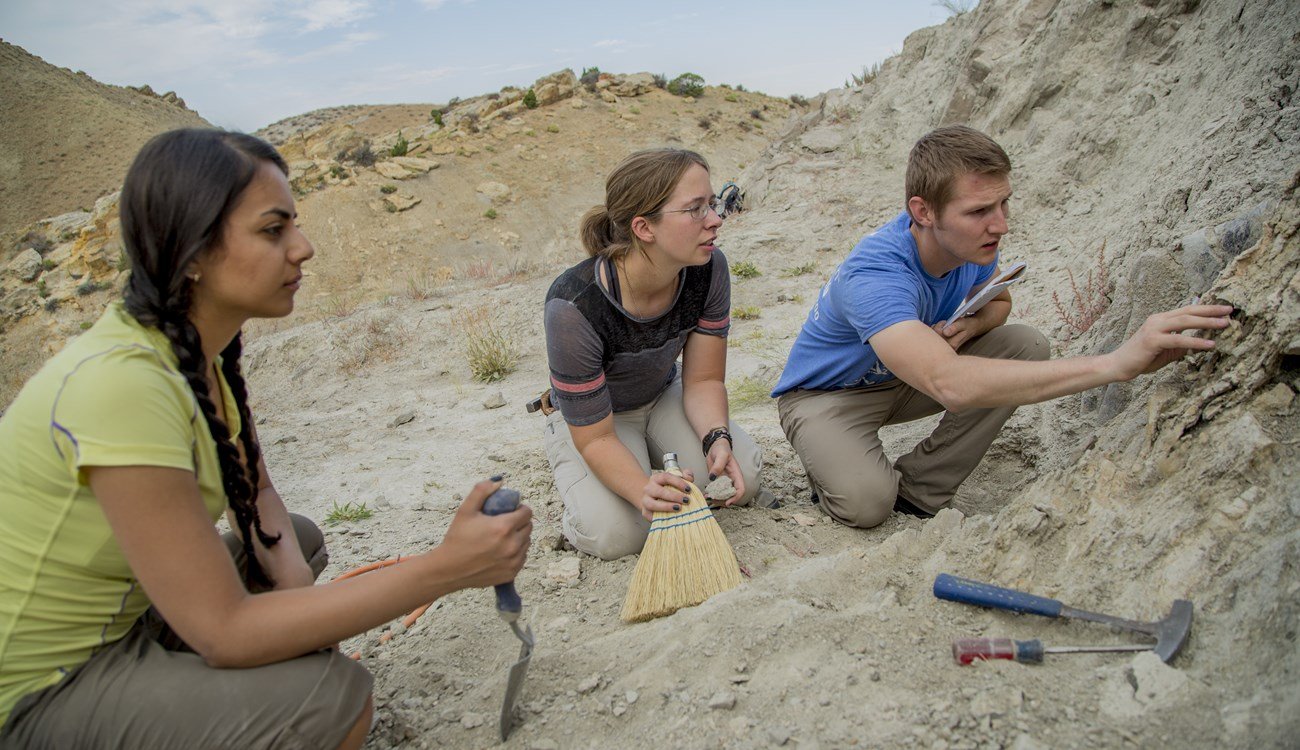
Fieldwork opportunities matter because they teach mapping, careful digging, and documenting finds in place. You can often spot strong field training in course lists and lab pages that describe trips, sites, and student roles.
How to Evaluate Paleontology Colleges
When comparing colleges for future paleontologists, focus on access and proof. When comparing paleontologist colleges, focus on access and proof. Check whether undergrads can work with real specimens rather than just read about them. Confirm that the faculty publish in areas you want to study and that students can earn credit for research. Also, look for museum links, since collections often drive the best training.
How to Evaluate Faculty Research Expertise
Faculty research topics shape what you can study and who can mentor your work. Scan lab pages for current projects, methods, and student involvement. Look for signs of active output, such as recent papers, field projects, or collection work. A good match supports stronger project choices over time.
Access to Fossil Collections
Collections let you measure, compare, and document real specimens. Yale’s Peabody Museum describes large collections that support research on the history of life, and Harvard’s Museum of Comparative Zoology lists major fossil collections as well. At Michigan, the museum also points to access and opportunities tied to collections and fossil prep.
How to Find the Best Paleontology College for You
Start by searching geology and earth science departments in your state, then look for fossils in faculty bios, lab pages, and museum ties.
The University of Washington, for example, links earth science research to the Burke Museum, which has a Geology and Paleontology team and large research collections within the Department of Earth and Space Sciences. Local museums can also point to nearby universities through shared staff, internships, and joint research.
Paleontology Careers and Job Opportunities
Paleontology careers often sit in museums, universities, government, and applied earth science roles. The field can be competitive, so research experience and writing skills matter early.
Five common job paths include museum collections work, fossil preparation, lab research support, field technician roles, and science education. Your coursework and research record usually matter more than the program title alone.
What to Know About Paleontology Careers
Paleontology careers often include museum work, research support, fieldwork, education, and university-based roles. Your long-term options usually depend on research experience, writing skills, and how much training you plan to complete. Graduate study can open more research-focused paths, but it also adds time and specialization.
Near the end of your search, it helps to track program resources, deadlines such as Early Action or Regular Decision, and research fit into one plan, starting with a short list of top-ranked science colleges.
Choosing the Right Paleontology Program
The best colleges for paleontology are usually the ones that give students strong science training, access to fossil collections, active faculty research, and real fieldwork opportunities.
Since many schools do not offer a stand-alone paleontology major, it often makes more sense to compare geology, earth science, and biology departments based on research access, museum ties, and long-term academic fit.
At CollegeCommit, our college advisors help families compare programs, research fit, and long-term academic planning in a structured way. We work 100% online and also help families track common university admission requirements that can affect course selection and application timing.
