

Many people use these two names as if they mean the same thing. In reality, Harvard College and Harvard University refer to two distinct parts of the same school system. Harvard College is the undergraduate school. Harvard University is a full institution that includes Harvard College and several graduate schools.
People often wonder whether to say “Harvard University” or “Harvard College,” but the distinction is more specific. Knowing this helps families understand admissions, degrees, and academic paths.
Key Takeaways
- Harvard College is the undergraduate school, while Harvard University is the larger institution that includes Harvard College and graduate and professional schools.
- Admission rules vary by school: undergraduate applicants apply to Harvard College, while graduate applicants apply to a specific school.
- Undergraduate degrees are awarded by Harvard College, while graduate degrees are awarded by individual graduate or professional schools.
- Confusion often comes from informal language or online discussions that mix undergraduate and graduate programs.
- Understanding the structure helps applicants review requirements, timelines, and credentials more accurately.
Is Harvard College the same as Harvard University?
No, they are not the same. Harvard College is one of the schools within Harvard University. Harvard University is the larger system that includes many schools.
The confusion often comes from casual language. People may say they attend Harvard without naming the school. In official use, this difference matters for applications and degrees.
What is Harvard College?
Harvard College is the undergraduate school within Harvard University. It offers a four-year program for students earning their first college degree. Students study arts and sciences and graduate with a bachelor’s degree.
Who attends Harvard College?
Students at Harvard College are undergraduates who enroll after finishing high school. A typical Harvard student studies full-time and lives or learns near campus. The student body includes people from across the United States and many other countries. Admissions decisions are based on grades, extracurricular activities, and personal background.
Harvard College programs and degrees
Harvard College awards Bachelor of Arts and Bachelor of Science degrees. Students choose a main area of study called a concentration. This allows focus on one subject while still exploring others. Courses and research are supported by faculty members.
What is Harvard University?
Harvard University is a full academic institution. It includes Harvard College and many advanced schools. It manages shared rules, faculty roles, and long-term planning.
What type of school is Harvard University?
Harvard University is a private research institution. It offers undergraduate, graduate, and professional education. It also supports research and public service.
Schools and graduate programs
Harvard University comprises Harvard College and 12 graduate and professional schools. Each school focuses on a specific field and runs its own admissions process.
The schools are:
- Harvard College – Undergraduate programs in arts and sciences
- Graduate School of Arts and Sciences – Master’s and doctoral programs across disciplines
- Harvard Business School – Business and management education
- Harvard Divinity School – Religion, ethics, and ministry studies
- Harvard Graduate School of Design – Architecture, planning, and design
- Harvard Graduate School of Education – Education policy and practice
- Harvard John A. Paulson School of Engineering and Applied Sciences – Engineering and Applied Sciences
- Harvard Kennedy School – Public policy and governmentHarvard Law School – Legal education
- Harvard Medical School – Medical education and research
- Harvard School of Dental Medicine – Dental medicine
- Harvard T.H. Chan School of Public Health – Public health and population studies
Together, these schools form Harvard University. While they share the same university name, each school has different academic goals, admissions standards, and degree programs.
Key differences between Harvard College and Harvard University
The main difference is scope. Harvard College serves undergraduates only. Harvard University includes Harvard College and all graduate-level schools.
Undergraduate vs university-wide structure
Harvard College is one school within a larger college and university system. The university sets overall goals and policies. Harvard College focuses on undergraduate learning and student life.
Admissions and acceptance rates
Harvard College acceptance rate
The Harvard College acceptance rate is very low. It changes each year based on the number of applicants. This number shows past results and does not predict outcomes. Admissions rules vary by level of study, and reviewing accurate application information helps applicants follow the correct process.
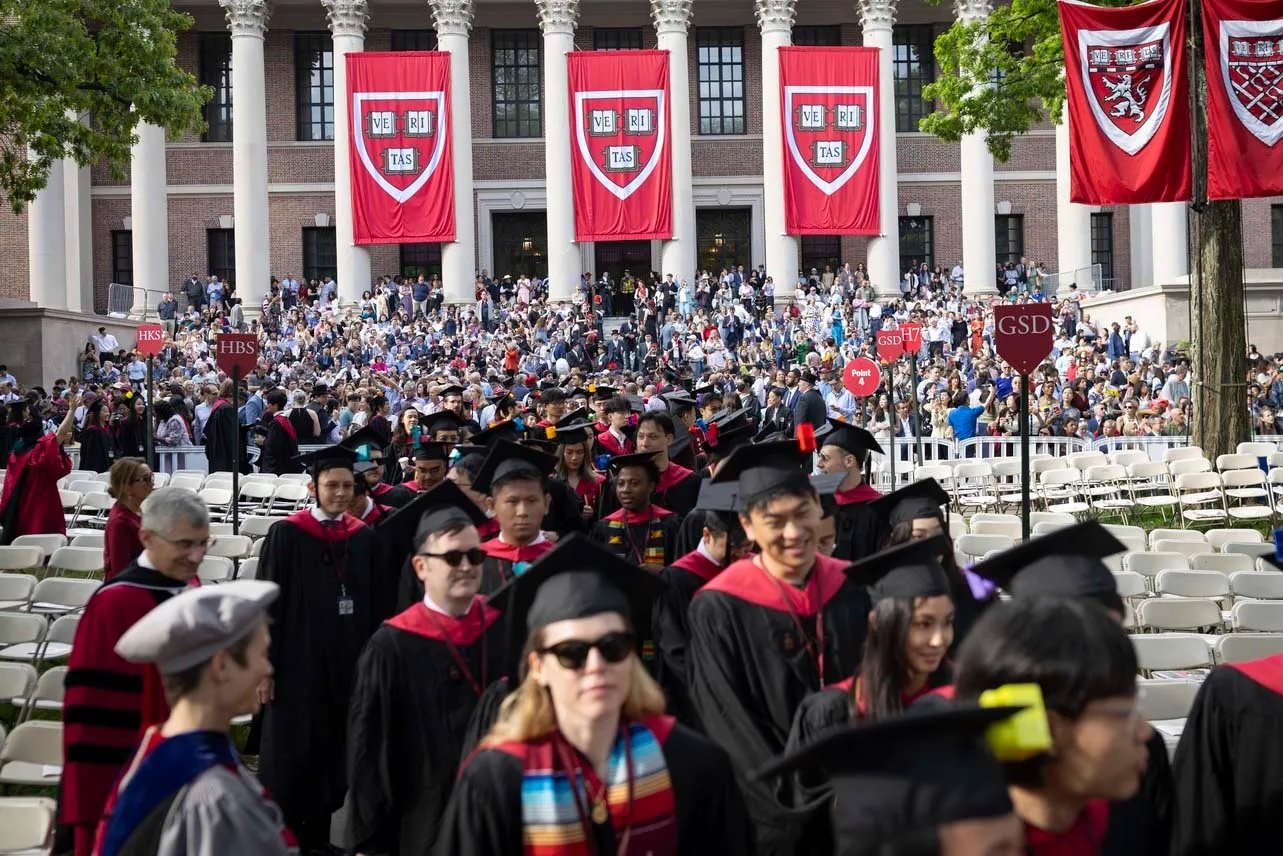
Harvard College vs Harvard University acceptance rate
There is no single acceptance rate for Harvard University. Each of the 12 graduate and professional schools sets its own standards. Comparisons only make sense when the specific school is named.
Harvard College ranking
Harvard College often ranks near the top in national lists. Rankings assess resources, faculty, and outcomes, while discussions of metrics such as the average IQ of Ivy League students often require additional context.
Common Misconceptions
Many misunderstandings come from online discussions on social media and forums. Questions and posts about “Harvard College and Harvard” reflect confusion, not official rules.
Reliable information matters when discussions mix undergraduate and graduate experiences. Some public posts mention outcomes or policies without naming the school involved. This can blur the difference between Harvard College and other schools.
When planning next steps, families benefit from separating official requirements from informal opinions. Guidance that explains admissions systems can help, especially when working with a college application consultant who understands how different schools structure admissions. CollegeCommit, for example, helps families understand how admissions structures work so they can plan more accurately.
How this distinction affects planning and preparation
Understanding the difference between Harvard College and Harvard University helps families plan earlier. Undergraduate applicants should focus on Harvard College requirements and timelines. Graduate applicants must research the school tied to their field. Mixing these paths can lead to missed deadlines or incorrect assumptions.
This difference also matters when choosing courses in high school. Testing plans and long-term interests should match the level of study being considered. Early planning supports better decisions later.
For families comparing selective schools, structure matters. It helps set realistic expectations when reviewing acceptance rate data or reading public discussions. Context is more useful than surface-level comparisons.
Near the end of the research process, resources like CollegeCommit can help families understand admissions structures and timelines. Official university sources should guide final decisions.
FAQs About Harvard College vs. University
Why is it called Harvard College?
The name comes from history. Harvard College was founded first and later grew into a university. It is the oldest institution of higher education in the country. When new schools were added, the original college kept its name.
Is Harvard College in the Ivy League?
Yes. Harvard College is part of the Ivy League because Harvard University is an Ivy League school. The label applies to the full institution and includes its undergraduate college.
Is it harder to get into Harvard College?
Difficulty depends on the program and the applicant. Harvard College considers academic records, standardized testing (when required), and other factors. Graduate schools place greater emphasis on prior education and experience.
Is Harvard University free?
Harvard University charges tuition. It also offers strong need-based financial aid. Many undergraduates receive support. Graduate funding depends on the program.
Is Harvard a college or a high school?
Harvard is not a high school. It is a university with several schools. These include an undergraduate college and many graduate programs.
Does Harvard College operate on its own?
It does not. It works within the university while keeping a clear undergraduate role. References to places like Harvard Yard can add to confusion because they relate mainly to undergraduate life.
