

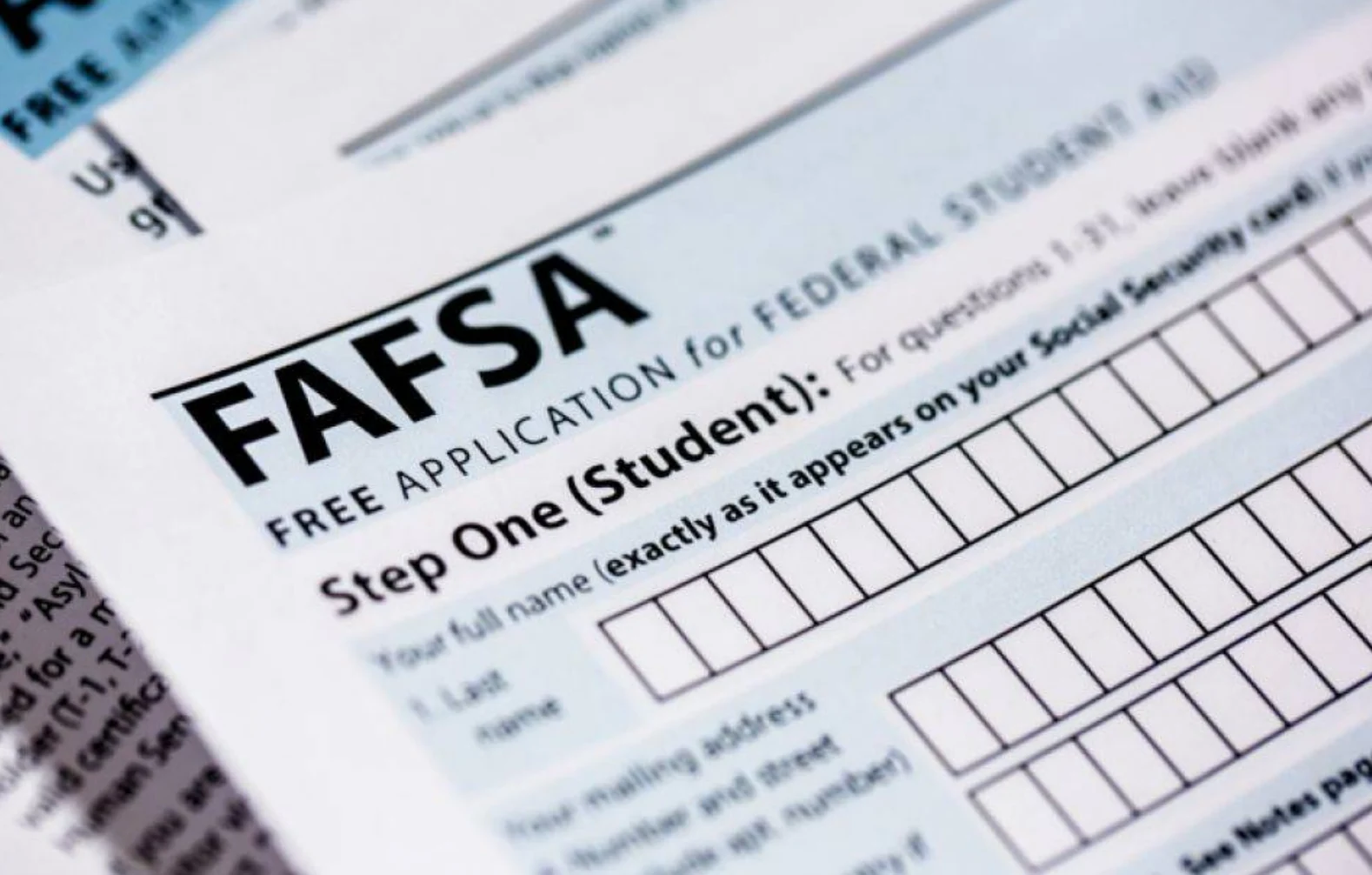
You can typically receive federal financial aid for up to six years as an undergraduate student, depending on your enrollment status and program length. This includes grants, loans, and work-study opportunities funded through the FAFSA.
However, it’s important to note that the specific duration can vary based on the type of aid you receive and your individual circumstances.
For example, if you are enrolled in a program that requires more than the standard four years, you may be eligible for additional funding.
Additionally, if you switch majors or take a break from your studies, your eligibility may be affected. It’s crucial to stay informed about your school’s policies and the requirements for maintaining your financial aid.
To maximize your financial aid opportunities, complete the FAFSA each year, as your financial situation may change. Keep track of deadlines and any additional documents your school may require.
If you have questions about your eligibility or need assistance, please don’t hesitate to contact your school’s financial aid office. They can provide guidance tailored to your specific situation and help you navigate the financial aid process effectively.
Key Takeaways
- You can receive FAFSA and federal aid for up to six years as an undergraduate, depending on enrollment and program type.
- The Pell Grant lifetime limit is 600% – equal to 6 years full-time, adjusted for part-time enrollment.
- Maintaining satisfactory academic progress and renewing the FAFSA each year keeps aid active.
- Students exceeding federal limits can pursue state aid, scholarships, or work-study.
- Track eligibility through studentaid.gov and plan ahead with your financial aid office.
How Long Can You Receive Financial Aid
FAFSA Duration for Undergraduate, Graduate, and Community College Students
Most undergraduates can receive aid for six years, while community college students usually qualify for three. Graduate programs have separate limits based on degree length and enrollment intensity.
Many families ask how many years of FAFSA you can get, which depends on academic progress, program structure, and credits completed. Review updated college application information to align aid with degree plans.
Every year counts toward your lifetime limit. We help families plan timelines strategically so aid lasts through graduation.

Aid After Four or Five Years – Can You Still Qualify?
Parents often wonder, Does FAFSA only cover 4 years? It doesn’t. Federal aid can extend to six, depending on your pace and remaining eligibility.
We help families use extra semesters wisely by carefully scheduling and maintaining consistent completion rates.
How Long Federal Aid Payments Last
Each FAFSA covers one academic year. You must reapply annually to renew aid. Funding may adjust if your financial or enrollment status changes. Staying consistent helps ensure smooth renewals.
How Many Years Can You Get FAFSA Funding
So, how many years does FAFSA cover? Most students receive up to 12 semesters – or roughly six years – of federal aid, including grants, loans, and work-study. Graduate students have fewer total years but larger loan capacities.
CollegeCommit helps families project how program length and aid limits align to prevent funding gaps or over-reliance on student loans.
Understanding Aid Duration by Enrollment Type
Eligibility depends on credits and pace. Full-time students typically qualify for six academic years; part-time students extend their timeline but consume eligibility more slowly.
Usage Guide:
- Full-time: 100% per year
- Three-quarter time: 75% per year
- Half-time: 50% per year
Tracking percentages helps families plan workloads and funding for each semester.
FAFSA Loan and Grant Limits
Federal student loans follow the 150% rule – aid can last up to 150% of your program’s standard length. A four-year degree allows six years of aid; a two-year program allows three.
We use this rule in financial planning so federal aid covers your full degree path.
Verify your Pell Grant and loan limits via studentaid.gov. Referencing official data ensures accurate planning and compliance.
Pell Grant Lifetime Limit – Six Years or 600%
Pell Grants are need-based and capped at 600% of the lifetime eligibility limit – equal to six years of full-time enrollment. Part-time enrollment uses the cap proportionally.
We encourage families to track Pell usage early to preserve funds for critical semesters.

What Happens When You Exceed Pell Grant Limits
If you reach your Pell limit, you lose access to federal grants but may still qualify for loans or merit-based aid.
How Much Pell Grant You Can Get and How Much You Have Left
Pell Grant totals change yearly. You can view your remaining balance through your financial aid office or the National Student Loan Data System.
Pell Grant Lifetime Eligibility Summary
Data from studentaid.gov helps visualize how enrollment speed affects lifetime aid.
Extended Enrollment Scenarios: Years 5, 6, or 7
Some students extend their degree due to transfers or program changes. A transfer student, for example, continues using previous FAFSA years – no reset occurs.
Students who reach seven years may transition from grants to loans. We help bridge funding gaps with state aid, institutional grants, or scholarships.
FAFSA Renewal, Frequency, and Award Amounts
How Many Times Can You Renew or Receive Aid
You must renew FAFSA every year. Missing deadlines can delay awards. We help students stay ahead with reminders and documentation checklists.
How Much Financial Aid You Can Receive Each Year
Awards depend on school costs, income, and credits. Even small changes affect eligibility.
We don’t just advise – we engineer your student’s admissions edge. That includes multi-year budget forecasting to minimize borrowing.
Planning Steps to Manage FAFSA Over Time
Key steps for managing aid:
- Track eligibility yearly via your portal or studentaid.gov.
- Maintain strong grades and credit completion.
- Compare remaining semesters with Pell and loan caps.
- Adjust course loads to stay within limits.
These actions prevent funding gaps. Use our College Application Checklist to organize deadlines and documents alongside your aid plan.
Factors That Affect How Much Aid You Qualify For
Aid depends on:
- Cost of attendance
- Family income and assets
- Enrollment status
- Academic progress
Tracking these helps students optimize funding and manage college costs.
Applying for and Maintaining Eligibility
How to Apply for FAFSA and Get Financial Aid for College
Completing FAFSA requires tax and school data. Submitting early improves funding access. For detailed process support, see our College Application Guidelines.
We help families gather documents, meet deadlines, and avoid delays.
Academic Progress and Enrollment Requirements
Eligibility depends on satisfactory academic progress – meeting GPA and completion standards. We help students build academic plans to stay compliant.
Transfer Students and Program Length Rules
Transferring schools doesn’t reset aid usage. The new school recalculates eligibility under lifetime federal limits.
Exceptions and Special Circumstances
Students who withdraw for medical or family reasons may appeal for eligibility reinstatement through the financial aid office. Specialized programs like teaching or nursing may qualify for extended aid.
When You Reach Aid Limits
State Aid and Private Scholarship Options
When federal aid ends, state and private programs often fill the gap. We help families identify grants and scholarships for later college years.
Federal Work-Study and Alternative Funding Choices
Work-Study lets students earn while studying. We help explore grants, tuition plans, and institutional aid before private loans.
Financial Planning to Avoid Running Out of Aid
Plan early by:
- Taking summer courses.
- Avoiding repeated classes.
- Meeting advisors regularly.
- Checking eligibility yearly.
Proactive planning reduces financial stress.
Tracking Remaining Eligibility and Status
How to Check How Much Pell Grant You Have Left
Check your LEU (Lifetime Eligibility Used) percentage on studentaid.gov or through your aid office. We help students interpret results and plan next steps.
FAFSA Eligibility Calculator and Online Tools
Online calculators estimate remaining aid by enrollment. We use these tools to forecast usage and adjust plans.
When to Contact Your Financial Aid Office
Report enrollment or income changes quickly. Communication prevents errors or interruptions.
Expert Insights and Next Steps
When to Speak with a Financial Aid Advisor
Early guidance saves time and stress. Our team of Ivy League graduates and admissions experts has over 20 years of experience.
Common FAFSA Mistakes to Avoid
Errors like incorrect tax information or missing signatures delay aid. We review every step carefully. Explore our college application tips to avoid submission issues.
Ready to transform uncertainty into opportunity? Join our upcoming cohort at CollegeCommit: Where Preparation Becomes Placement.
