


Yes. College students can get braces, and age does not prevent orthodontic care. Dentists and orthodontists often treat people in their late teens and early twenties. Timing, cost, and daily routines are more of a relevant factor than medical limits. Knowing how treatment fits into this stage of life helps people make calm and informed decisions.
Key Takeaways
- College students can receive orthodontic care, and age alone does not limit access to braces or aligners when teeth and gums are healthy.
- Several treatment options are available, including traditional metal braces, ceramic braces, and clear aligners, each with different care needs and lifestyle considerations.
- Managing braces during college is usually manageable with basic planning, regular oral care, and scheduled appointments that fit around classes and exams.
- Social concerns are common but often lessen over time, as most peers focus more on shared experiences than on orthodontic treatment.
- Costs vary by treatment type and insurance coverage, so reviewing payment options and long-term commitments before starting helps set realistic expectations.
Is It Okay to Have Braces in College?
It is fine to have braces during college. Orthodontists focus on teeth, gums, and bone health, not whether someone is enrolled in school. Many people choose this time because class schedules can allow room for regular visits. College settings also include people of many ages, which makes orthodontic care common and accepted.
For most students, braces in college become part of normal life. Classes, work, and activities continue with small adjustments. Planning ahead matters more than age or appearance.
Who Can Get Braces
Most adults with healthy teeth and gums can receive orthodontic care. Dentists check for gum disease, tooth damage, and bite issues before setting a treatment plan. Some dental problems need treatment first, but this does not apply to most people.
Many worry that they have waited too long to fix crooked teeth. In reality, orthodontic care works at many ages. Treatment focuses on steady movement and long-term stability, not youth.
Why Some Students Start Braces in College
Some people begin care during their college years because or previously delayed treatment, often due to cost, growth timing, or access problems. When these limits change, orthodontic care becomes feasible.
Others start orthodontic care because alignment problems have caused discomfort or uneven wear. Addressing these issues as early as possible can support oral health and reduce future problems. Timing treatment during college is often beneficial because students have more control over their schedules.
Braces for Students: Options
There are several choices for braces for students, and each option fits different needs:
- Traditional metal braces use brackets and wires to move teeth step by step. They are common because they work well for many types of cases.
- Ceramic braces use similar methods but blend more with natural tooth color.
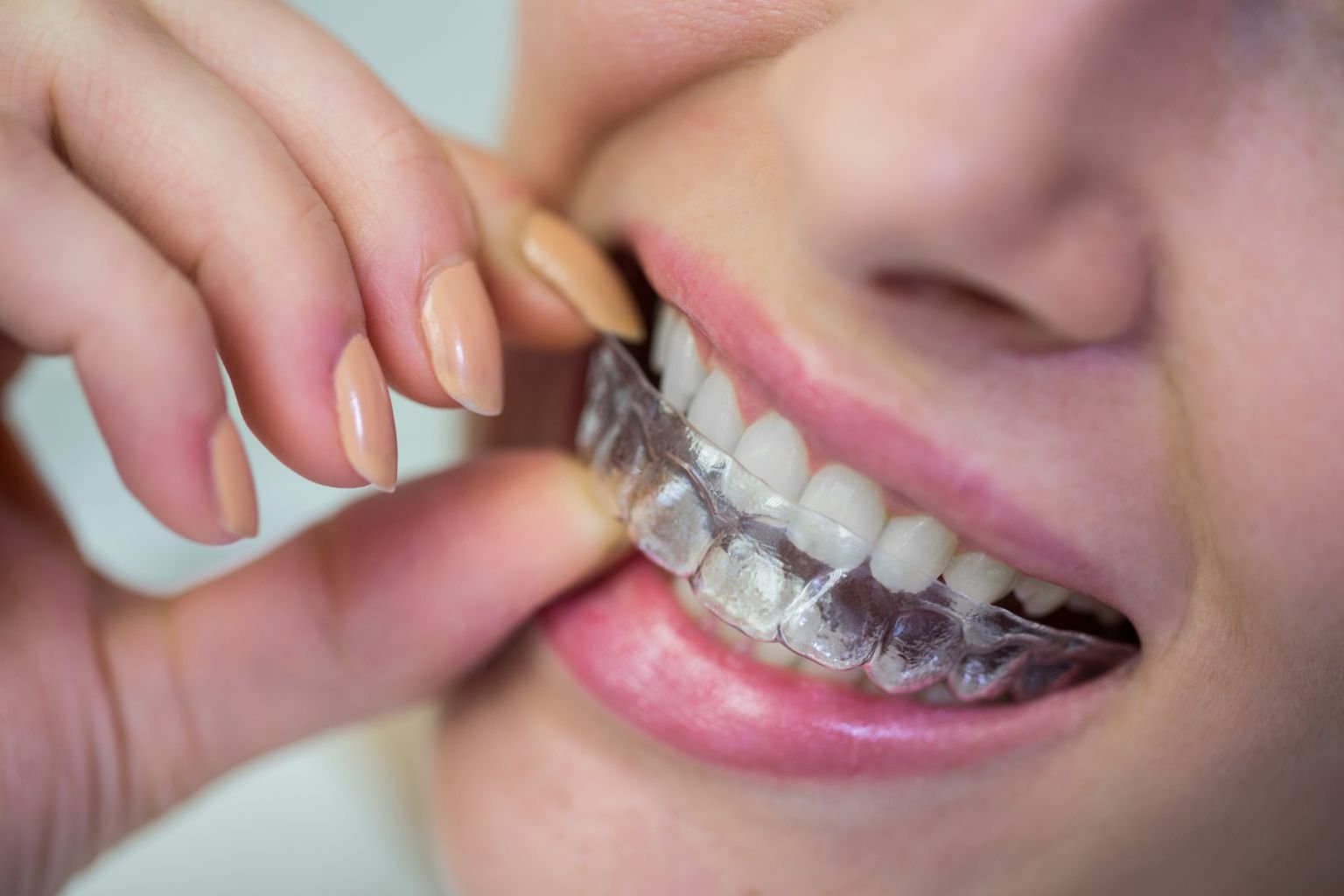
- Clear aligners rely on removable trays that must be worn daily.
Choosing between braces or Invisalign when at college depends on habits, comfort, and dental goals.
College Life With Braces
College students who wear braces often adjust to treatment within a few weeks. Daily care includes careful brushing and flossing to protect oral health. Many students keep simple supplies with them to manage care between classes.
Appointments usually happen every few weeks and can be planned around exams. With basic planning, orthodontic visits rarely interfere with schoolwork, jobs, or campus activities.
Social Views on Braces in College
Some worry about how braces affect social life. Concerns often focus on appearance at social events or in group settings. In reality, most people pay little attention to orthodontic care.
Over time, many students feel comfortable with braces. Some feel more positive because they took steps to improve their teeth, which can boost their confidence in daily interactions.
Costs and Coverage for Students
Average cost per type of treatment
The cost of braces depends on the type of treatment, how long it lasts, and where you live. In the United States, traditional metal braces usually cost between $3,000 and $6,000 for full treatment. Ceramic braces tend to cost more, often $4,000 to $7,000, because of materials and handling. Clear aligners, such as Invisalign treatment, often fall in a similar range, typically $3,500 to $6,500.
Insurance and dental plans
Insurance can lower out-of-pocket costs, but coverage varies. Many family dental plans cover orthodontic care up to a lifetime maximum, often $1,000 to $2,000. For example, if treatment costs $5,000 and insurance covers $1,500, the remaining $3,500 is paid by the patient or family. Coverage for adults may be more limited than for children, so checking plan details matters.
Payment plans and extras
Payment plans are common, which helps students balance orthodontic costs alongside other expenses like average college tuition and living costs. Many orthodontic offices allow monthly payments over 18 to 24 months. A $4,800 treatment spread over 24 months equals about $200 per month, sometimes with little or no interest.
Extra costs can also appear. Retainers after treatment may cost $100 to $500, depending on type and replacement needs. Missed appointments or broken appliances can add small fees. Planning for these items helps avoid surprises during the college years.
What to Consider Before Starting
Orthodontic care takes time and effort. Regular visits, daily care, and follow-up all matter for good results. It helps to think about how treatment fits with classes, exams, and busy weeks, especially around key academic milestones like college application deadlines.
Retention also matters after active care ends. Wearing retainers helps keep straight teeth in place. Planning ahead supports a smoother experience from start to finish regarding braces for college students.
The CollegeCommit Perspective
At CollegeCommit, we see how health choices can affect planning during the college years. While orthodontic care is separate from admissions steps like Early Action or Regular Decision, managing time and commitments supports balance. Knowing options and limits allows students to focus on both their well-being and academic goals with less strain.
Schedule your free consultation now.