
This topic is exploratory rather than absolute because the right choice depends on budget, location, and how often a vehicle is used. Some students need a car for commuting or work, while others mainly rely on it for errands or occasional trips.
This car’s college ultimate guide explains what makes a vehicle suitable for campus life, compares safety, cost, and reliability with current prices, and outlines the trade-offs between new and used models. It also shows how to match features to real campus needs.
- Best Car for College Students: 2025 Toyota Corolla — A balanced choice for safety, reliability, and low ownership costs, making it well suited for daily campus use.
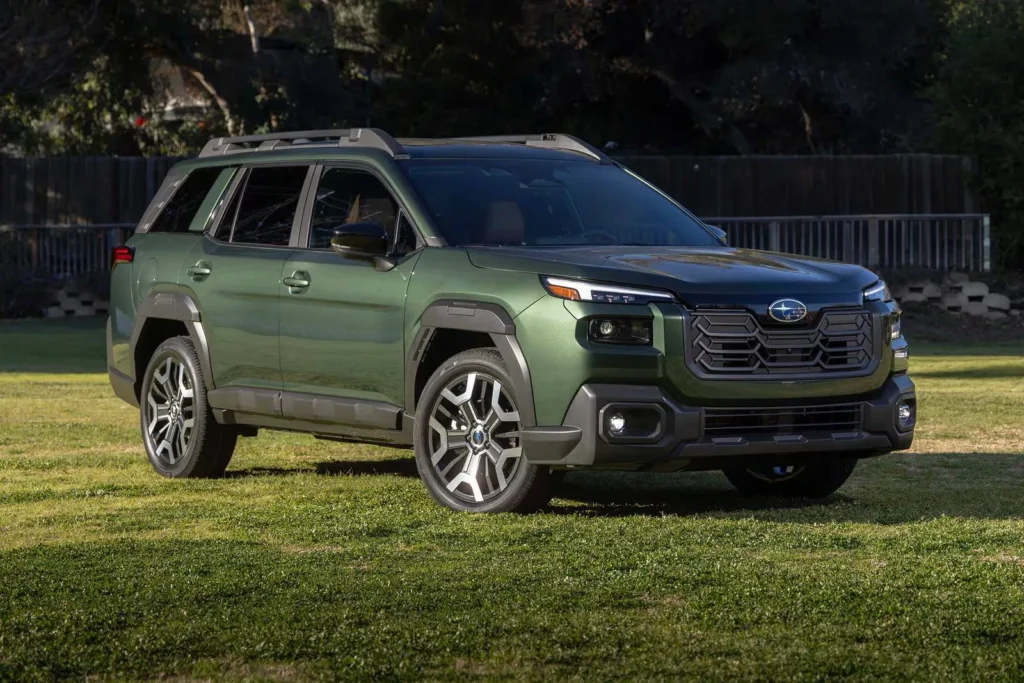
- Editor’s Choice: 2026 Subaru Outback — Designed for students who need space, comfort, and year-round usability through college and beyond.
- Best Budget Option: 2025 Nissan Versa — One of the lowest-priced new cars available, with simple features, strong fuel economy, and low insurance costs.
- Best for Safety: 2026 Toyota Camry — A practical sedan with strong crash-test performance and standard driver-assistance features.
Table of Contents
ToggleKey Takeaways
- The best college cars balance safety, reliability, and total ownership cost, with purchase price being only one part of the decision.
- Budget ranges shape realistic options: lower price points require greater attention to condition and maintenance history, while higher budgets allow for newer features and stronger warranties.
- Used vehicles can offer substantial value when mileage, service records, and inspection results are carefully reviewed before purchase.
- Vehicle type and campus environment matter, since compact models suit tight parking and short trips, while larger vehicles better support commuting or longer drives.
- Annual ownership costs typically range from $3,500 to $9,000, including insurance, fuel, maintenance, and permits.
What Makes a Good Campus Vehicle
A good student car meets daily needs without creating financial pressure. Safety features, predictable maintenance, and reasonable insurance costs matter more than performance or design. The strongest candidates have solid crash results, simple systems, and easy access to replacement parts.
Three factors carry the most weight. First, total cost of ownership rather than sticker price. Second, crash performance and driver-assistance technology. Third, parts availability, since a model with a nationwide dealer and independent shop network is far easier to repair away from home.
Usage patterns also shape value. Short trips favor easy handling and low operating costs, while frequent driving benefits from stability and comfort. These factors help narrow choices early.
Best New Models Under $30,000
New vehicles cost more upfront but include full factory warranties and current driver-assistance systems. Every model below stays under a $30,000 ceiling, which is the practical limit most families set for a first car.
Prices reflect recent model-year listings including destination charges. Actual figures are influenced by dealer inventory, regional demand, and tariff pressure on imported vehicles and parts.
| Model | Starting price | Combined MPG | Safety note | Best suited to |
|---|---|---|---|---|
| 2025 Toyota Corolla | $23,460 | 35 | IIHS Top Safety Pick | All-around daily driving |
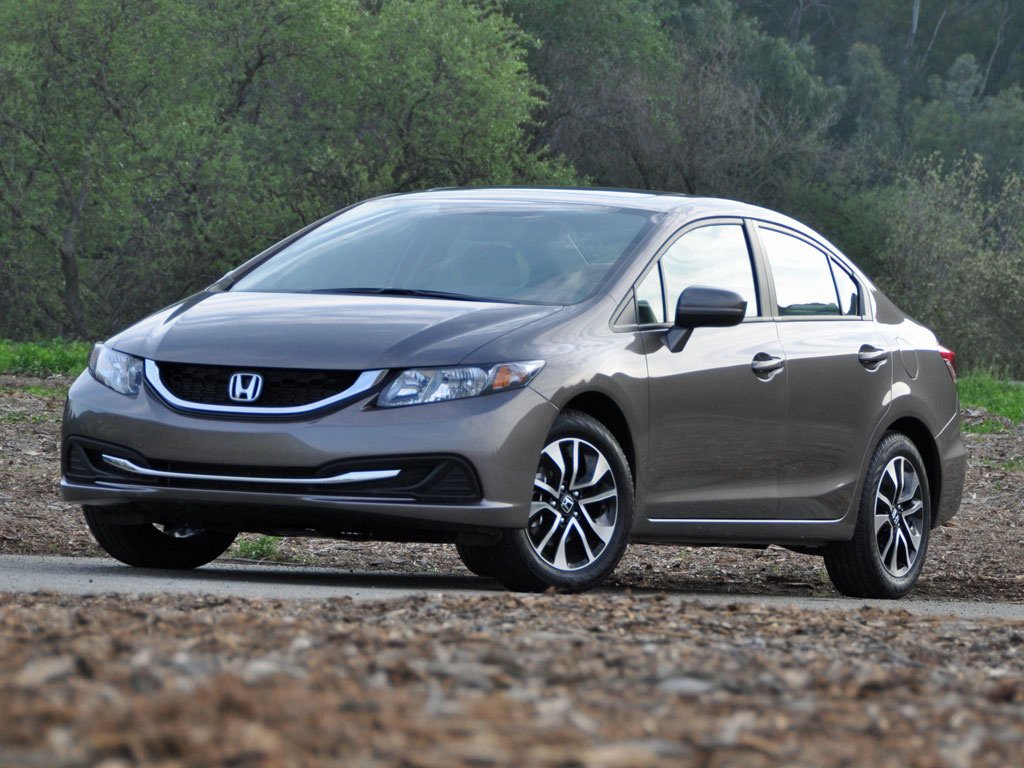
| 2025 Honda Civic | $25,400 | 36 | IIHS Top Safety Pick; NHTSA 5-Star | Students wanting a hatchback option |
| 2025 Hyundai Elantra | $23,320 | 36 | IIHS Top Safety Pick+ | Long warranty coverage |
| 2025 Nissan Sentra | $22,730 | 34 | NHTSA 5-Star overall | Tight budgets with modern safety tech |
| 2025 Kia Soul | $21,885 | 31 | NHTSA 4-Star overall | Cargo space at the lowest new-car price |
| 2025 Subaru Crosstrek | $27,980 | 29 | NHTSA 5-Star; standard AWD | Snow-belt and rural campuses |
| 2025 Toyota Prius | $29,485 | 57 | IIHS Top Safety Pick+ | Heavy commuters minimizing fuel spend |
Best Affordable Cars for College Students
Affordability extends beyond the sticker price. Fuel, registration, and repair costs determine long-term value. Smaller vehicles also reduce parking stress and insurance premiums, which matters on crowded campuses with limited space.
For example:
- A used Toyota Corolla often costs less to insure because its parts are standard and repairs are predictable.
- An older Honda Civic usually returns strong fuel economy, so drivers spend less on gas over time.
- A Hyundai Elantra may also offer low repair costs and long service intervals, helping keep total ownership expenses down.
- A compact Ford Fiesta or Chevrolet Sonic can be inexpensive to register and park on a busy campus because it fits easily into small spaces.
Choosing well requires looking beyond price to long-term costs, just as students compare scholarship vs financial aid when planning for tuition.
Best Cars for College Students by Budget
Budget limits help define realistic options. At lower price levels, condition matters more than features. Higher budgets allow access to newer designs and improved safety systems.
Used models offer substantial value when carefully evaluated. Mileage, maintenance records, and prior damage affect reliability more than age alone. Brand reputation helps, but condition remains the deciding factor.
A proper test drive can reveal handling, braking, or engine concerns. Confirming recalls and service intervals reduces surprises later. A pre-purchase inspection from an independent mechanic typically runs $100 to $200 and is the single highest-value expense in the process.
| Budget | Representative models | Typical price range | What to expect |
|---|---|---|---|
| Under $5,000 | 2007–2014 Honda CR-V; 2005–2007 Toyota Corolla; early-2000s Honda Accord | $3,000–$5,400 | High mileage, minimal driver assistance, near-term suspension, brake or tire work likely |
| Under $10,000 | 2011–2014 Toyota Corolla; 2013–2015 Honda Civic; 2012–2015 Toyota Prius; 2011–2015 Honda Accord | $6,000–$9,900 | Documented service history, good fuel economy, backup cameras on many trims |
| Under $20,000 | 2018–2020 Toyota Corolla; 2018–2021 Subaru Forester; 2019–2021 Honda CR-V; 2018 Toyota Camry | $13,200–$19,200 | Modern driver-assistance suites, possible remaining factory or certified pre-owned coverage |
Used price ranges reflect Kelley Blue Book fair purchase price data for these model years and vary by mileage, trim and region.
Under 5,000 dollars
At this price, expect older vehicles with higher mileage and plan for repairs. Examples include an early-2000s Honda Accord or a 2005 to 2007 Toyota Corolla. A 2007 to 2011 Honda CR-V also lands here, often between $5,400 and $8,000 depending on condition.
These models are mechanically simple and have readily available parts, but they may need work on the suspension, brakes, or tires. Budget an additional $1,000 to $1,500 for first-year repairs at this tier.
Under 10,000 dollars
Reliable used options with service records become available in this range. You might find a 2013 to 2015 Honda Civic for $6,000 to $9,500, a 2012 to 2015 Toyota Prius for around $7,100, or a 2011 to 2014 Toyota Corolla for $6,500 to $9,000.
These vehicles often come with documented maintenance history, and many still return strong fuel economy and solid crash-test scores. Rearview cameras appear on many trims from 2014 onward.
Under 20,000 dollars
Newer vehicles and basic warranties are more common here. Examples include a late-model Toyota Corolla from 2018 to 2020 at roughly $14,600 to $19,000, a 2018 to 2021 Subaru Forester, or a 2019 to 2021 Honda CR-V.
A 2018 Toyota Camry at $15,200 to $18,300 is another strong option and carries an IIHS Top Safety Pick+ rating. These vehicles typically include modern driver-assistance features and may retain some factory warranty coverage.
Best Car Brands for College Students
Brand matters less than the individual vehicle’s condition, but some manufacturers make the search easier through predictable reliability, wide parts availability, and lower repair costs. The brands below appear repeatedly on credible lists of recommendations for young drivers.
| Brand | Main strength | What to watch for |
|---|---|---|
| Toyota | Longest reliability track record; strong resale value; parts available nationwide | Used examples carry a price premium for the same age and mileage |
| Honda | Excellent fuel economy and cabin space in compact models | Base trims on older model years often lack driver-assistance features |
| Hyundai / Kia | Longest new-vehicle warranty coverage in the segment; low entry pricing | Certain 2011–2021 models were targeted by theft; verify anti-theft updates and insurance eligibility |
| Mazda | Strong crash-test results and better-than-expected interior quality at the price | Smaller dealer network than Toyota or Honda in some regions |
| Subaru | Standard all-wheel drive; well suited to snow and rural roads | Lower fuel economy and higher maintenance costs than front-wheel-drive rivals |
| Nissan | Lowest new-car entry pricing with current safety technology | Weaker resale value; inspect CVT transmission history on used examples |
No brand guarantees a trouble-free vehicle. A well-maintained example from a mid-tier manufacturer will outlast a neglected car from a top-rated one, which is why inspection records matter more than the badge.
Vehicle Types That Work Best on Campus
Vehicle type affects daily convenience. A compact sedan works well on most campuses because it balances efficiency and ease of parking. Models like the Honda Civic and Toyota Corolla are frequently chosen for predictable handling and wide service support.
Hatchbacks and small SUVs offer added flexibility. The Subaru Forester suits regions with changing weather, while the Toyota Prius appeals to drivers focused on fuel efficiency across short trips. Hatchbacks such as the Mazda3 provide more than 47 cubic feet of cargo space with the seats folded down, which matters on move-in day.
Is 1,500 Dollars Enough for a First Car?
A very low budget limits choices, but it can work in narrow situations. Vehicles at this level are older and often need immediate maintenance. Mechanical condition should matter more than appearance.
Expect a vehicle with 150,000 miles or more, no driver-assistance technology, and a realistic first-year repair budget of $1,000 to $2,000. In practice, that means the true cost of a $1,500 car often approaches $3,000 within twelve months.
This option is suitable for short-term use with local access for repair. It rarely supports long-term ownership without added cost.
What Owning a Vehicle Actually Costs Each Year
Purchase price is the smallest part of the picture for most students. The recurring expenses below determine whether a vehicle is genuinely affordable across four years on campus.
| Expense | Typical annual range | What drives the number |
|---|---|---|
| Insurance (full coverage) | $2,000–$6,000 | Drivers under 25 commonly pay two to three times the national average premium of roughly $2,600 |
| Insurance (liability only) | $800–$1,800 | An option once a vehicle's value drops below a few thousand dollars |
| Fuel | $550–$1,300 | 8,000 to 12,000 miles a year at 28 to 57 mpg |
| Routine maintenance | $300–$700 | Oil, tires, brakes, filters; higher on all-wheel-drive models |
| Unplanned repairs | $400–$1,200 | Rises sharply on vehicles past 120,000 miles |
| Registration and fees | $50–$400 | Varies widely by state and vehicle value |
| Campus parking permit | $100–$800 | Urban campuses charge the most; some restrict first-year students entirely |
| Estimated total | $3,500–$9,000 | Excludes any loan payment |
Two details are worth confirming before any purchase. Many institutions restrict or prohibit first-year parking permits, and adding a student to a family policy is almost always cheaper than an independent one. Both facts can change the math entirely.
How to Interpret Reliability and Safety Rankings
Reliability rankings help guide research, but they should not replace inspection. Different studies measure reliability in different ways, which explains why results often vary. These differences reflect methodology, not absolute performance.

Safety data adds essential context. Organizations such as the Insurance Institute for Highway Safety{:rel=”nofollow”} publish crash results and ratings based on controlled testing, and the National Highway Traffic Safety Administration issues its own five-star scores. A vehicle earning an IIHS Top Safety Pick{:rel=”nofollow”}, such as recent versions of the Subaru Forester, has performed well in crash tests.
Model year sets a useful floor. Electronic stability control has been required on passenger vehicles since the 2012 model year, and rearview cameras became mandatory on new vehicles sold in the US in May 2018. Shopping above those thresholds removes guesswork about baseline equipment.
A poorly maintained vehicle with a strong safety rating can still be less dependable than a well-kept model with fewer awards. Ratings describe the car as built, not the car as maintained.
Matching a Vehicle to Different Campus Lifestyles
Campus layout shapes value. Urban schools often restrict on-campus parking, which favors smaller vehicles used occasionally rather than daily.
Students attending part-time often face different cost pressures, as financial aid for part-time students differs from that for full-time enrollment.
Rural or suburban campuses increase dependence on a personal vehicle. Students who commute or take regular road trips benefit from stability and comfort on longer drives, and from all-wheel drive in states with significant snowfall.
Luxury and Family Shared Vehicles
Some students share a family car or consider entry-level luxury options. Used sedans like the Toyota Camry can offer comfort without high risk when the service history is solid.
These choices work best when costs are shared. Insurance and repair expenses still tend to run higher than for basic models, often 30 to 50 percent higher for European luxury brands, so expectations should remain realistic to preserve peace of mind.
Do Model Years Matter?
The model year affects safety systems and technology. Newer vehicles often include driver-assistance features that were unavailable or optional in older ones.
Older models cost less but require closer upkeep. Comparing versions within the same nameplate helps identify which updates are meaningful, since a mid-cycle refresh can add standard automatic emergency braking without changing the car’s appearance.
Common Trade-Offs to Consider
Every choice involves compromise. Lower prices often mean fewer features, while newer technology can raise repair costs. Size, comfort, and efficiency rarely improve together without an increase in price.
Many top picks earn that status because they balance needs rather than excel in one area. This explains why no single list fits every situation.
At CollegeCommit, we apply the same structured thinking to transportation decisions as we do in our college consulting process. Focusing on evidence, constraints, and real-world use cases helps students make well-informed choices without unnecessary risk.


