

The Cheapest Ivy League school, when measured by tuition alone, is Princeton University. It consistently reports the lowest undergraduate tuition among Ivy League schools, which is why it is often labeled as the most affordable option at first glance.
That answer, though, only works if you stop at tuition. Ivy League costs extend well beyond classroom instruction. Housing, meals, fees, books, and personal expenses all shape what families actually pay.
Once financial aid enters the picture, the definition of “cheapest” can shift quickly. A school with a higher sticker price may cost less after need-based grants are applied, depending on family income and assets.
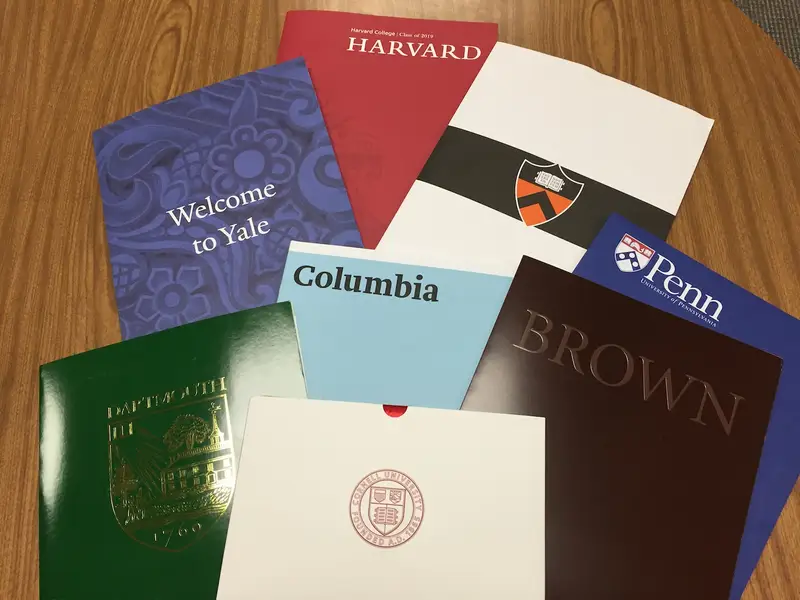
The Ivy League includes eight universities in the United States: Brown, Columbia, Cornell, Dartmouth, Harvard, Princeton, the University of Pennsylvania, and Yale. While their listed prices appear similar, their real-world costs vary based on housing models, campus location, and financial aid policies.
This article breaks down how Ivy League pricing really works. It compares sticker prices to net prices, explains why Princeton often appears cheapest, clarifies how financial aid reshapes affordability, and shows how families can estimate true costs before applying.
Key Takeaways
- The “cheapest” Ivy League school depends on how cost is measured, since tuition alone does not reflect what families usually pay after aid.
- The sticker price shows the listed charges, while the total cost of attendance includes housing, meals, books, and personal expenses.
- Ivy League financial aid is need-based, so net price depends more on family income and assets than on the school itself.
- International students often face higher costs because aid options are more limited.
- Net price calculators offer the most accurate way to estimate real cost before applying.
What Is the Cheapest Ivy League School?
Based on published tuition and fees, Princeton University often reports one of the lowest base tuition figures among Ivy League universities. For the 2024–2025 academic year, undergraduate tuition is about $59,710. This figure includes tuition only and does not cover housing, meals, or other required costs.
When net costs are considered, the answer can change. Financial aid can lower what families pay, making a different Ivy League school the least expensive option for a specific household. The lowest cost depends on income, assets, and family size.
Ivy League Tuition Costs and Total Price
Understanding Ivy League tuition costs means looking beyond a single number. Tuition covers classroom instruction, but students pay many other required expenses. These include housing, meal plans, books, health insurance, and personal costs.
Together, these charges form the total cost of attendance. Schools use this amount when they calculate financial aid. It gives a clearer picture of the expected cost before aid is applied.
Ivy League Schools – Estimated Sticker Prices (2024–2025)
- Brown University: About $88,948 per year
- Columbia University: About $93,417 per year
- Cornell University: About $92,150 per year
- Dartmouth College: About $91,312 per year
- Harvard University: About $86,366 per year
- Princeton University: About $87,750 per year
- University of Pennsylvania: About $92,288 per year
- Yale University: About $91,950 per year
These amounts reflect the sticker price, the cost listed before financial aid. Totals usually include tuition, housing, meals, fees, books, and estimated personal expenses. Actual charges can vary based on housing choices and program details.
Most students do not pay the full sticker price. Financial aid often lowers the amount for families who qualify.
Note: Schools calculate expenses differently, so totals may vary slightly between sources.
Most and Least Expensive Ivy League Schools
When comparing Ivy League costs, location matters. Schools in large cities often have higher housing and living costs than those in smaller towns. This can raise the total price even if tuition is similar.
At the higher end, schools like Columbia University and the University of Pennsylvania often appear more expensive. Their urban settings increase housing and daily costs. On the lower end, Princeton University and Yale University often report lower totals before aid.

How Financial Aid Changes Ivy League Cost
Financial aid is central to Ivy League affordability. Each school runs a need-based financial aid program, and understanding how to get financial aid for college is key to estimating real costs. Aid amounts depend on family income and assets.
Many Ivy League universities promise to meet 100 percent of demonstrated financial need. The school estimates what a family can pay and covers the rest with grants. Admissions decisions are not based on the ability to pay.
Ivy League Tuition Based on Income
At most Ivy League schools, tuition is not a flat rate. Costs adjust based on household income. Families with incomes below certain levels may see significant cost reductions.
In some cases, aid covers full tuition through grants. Because of this system, net prices vary widely. Two students at Harvard University may pay very different amounts.
Costs for International Students
Costs work differently for international students. Most Ivy League universities consider financial need when reviewing international applications. Aid options are also more limited.
Some schools, including Brown University and Cornell University, offer limited need-based aid to international students. Others provide very little support, which can raise the total cost significantly.
Why the Term “Cheapest Ivy League College” Can Be Misleading
The idea of one lowest-cost Ivy League school is too simple. The sticker price shows the listed tuition and fees but ignores financial aid. Looking at this number alone can lead to wrong conclusions.
Online discussions often compare schools without context. They may ignore income differences and aid formulas. As a result, a school that is affordable for one family may be costly for another.
The Reality of Ivy League Costs and Admissions
Cost and admissions selectivity are often discussed together, but they are not connected. Acceptance rates depend on academic records, activities, and university requirements, not tuition levels.
A lower price does not make admission easier. Schools such as Yale University and Harvard University remain highly selective regardless of cost or aid generosity.
Online and Graduate Ivy League Programs
Some Ivy League schools offer online or hybrid graduate programs. These programs use different pricing systems than those for undergraduate degrees. Tuition may be lower per course, but aid is often limited.
Graduate programs operate separately from undergraduate aid systems. As a result, funding options and total cost can differ widely.
How to Estimate Your Actual Ivy League Cost
Net price calculators offer the most accurate cost estimates. These tools use family income, assets, and household size to project expenses for the upcoming academic year.
Comparing results across Ivy League schools gives a clearer view than relying on listed totals. Families planning to attend an Ivy League school should use these tools early to guide their decisions.
Near the end of the research process, some families seek structured guidance from a college application consultant to interpret cost data and admissions timelines.
At CollegeCommit, we help families interpret financial aid policies, compare real costs, and align academic strategy with application timing at highly selective universities. If you want clarity on affordability, admissions planning, and next steps, schedule a private consultation to review your family’s situation and options.
