


Understanding this difference before applying to college can help families avoid needless checking during decision season. Common App’s dashboard was not built to share that news.
Table of Contents
ToggleKey Takeaways
- Common App does not notify students when a college makes an admissions decision. Each college communicates its own outcome directly, through its own portal, email, or mail.
- The Common App dashboard only tracks whether your application materials were delivered. Its status icons don’t indicate whether you were accepted.
- Decision timing depends on the admissions plan: Early Decision and Early Action typically arrive in December, Regular Decision between March and early April, and rolling admissions on a rolling basis.
- If a decision is overdue, check the specific college’s portal first, then contact that school’s admissions office directly to confirm your file is complete.
- Common App Direct Admit offers are separate from standard decisions and depend on factors such as GPA, citizenship, and completed profile sections; every offer remains non-binding until accepted.
Does Common App Notify You If You Are Accepted
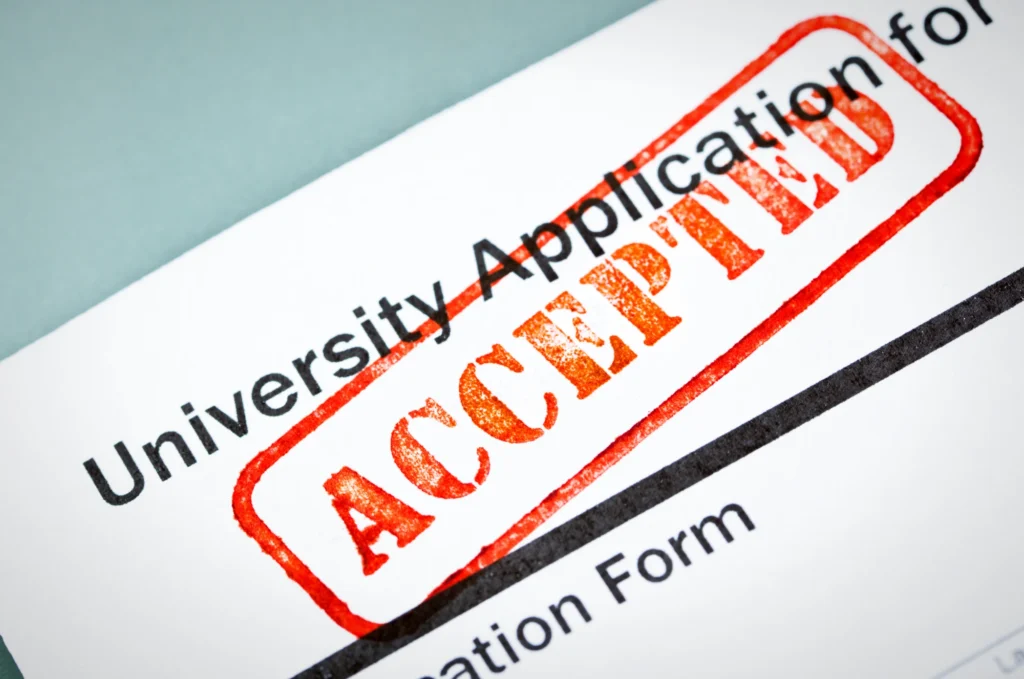
No, Common App does not notify students when a decision has been made. Its role ends once an application is delivered to each school on a student’s list. From that point forward, each college takes over the review internally and communicates any outcome directly to the applicant.
This matters because Common App only confirms that materials arrived. It does not evaluate whether a student meets a given college’s standards, and it has no visibility into how any single college weighs GPA, standardized test scores, the Common App honors section, or application essays once they’re submitted.
That evaluation happens entirely on the receiving end, inside each school’s own admissions programs and review process.
How to Check If You Got Accepted
The search intent here is practical: where does the actual answer appear? Three channels carry that information, and none of them is the Common App dashboard itself, even though that dashboard sits at the center of the college application process for most students. Knowing which channel to check saves time during an already stressful stretch of the year.
Checking Your Application Status on Common App
The Common App dashboard uses status icons to track submission progress, not admissions outcomes. A green check confirms that a college has received your materials and that its application requirements have been met.
At the same time, a yellow circle indicates a section is still incomplete, and an A means that piece isn’t required for that particular school. These icons answer only one question: whether your application arrived; they say nothing about whether admission was offered.
College Admissions Portals
This is where decisions actually get posted. Participating colleges each maintain their own portal, typically accessed with the same login created for Common App, and this is where students should check first once decision dates approach.
Checking a school’s own portal directly, rather than relying on Common App, is the most reliable way to track a decision as it happens.
Email and Mail Notifications From Colleges
Most schools send an email once a decision is ready, either stating the outcome directly or prompting the student to log into the college portal.
Fewer schools still send a physical acceptance letter by mail, though this method has become less common as portals and email have taken over most of the process. Either way, the notification comes from the college itself, not from Common App.

When Colleges Typically Release Decisions
Search intent here is timing. Release dates vary by admissions plan, and knowing the general pattern helps set realistic expectations heading into senior year. Not every school follows the same calendar.
Early Decision applicants typically hear back in December. Regular Decision results, used by most state university systems and private colleges alike, tend to arrive between March and early April.
Schools with rolling admissions review applications as they arrive. They send decisions within a few weeks, not on one fixed date. Every college sets its own exact timeline, so reviewing each school’s admissions page directly is more reliable than relying on general estimates alone.
What to Do If You Haven’t Heard Back
Search intent here is troubleshooting: the expected date passed, and nothing has arrived yet. Start by confirming the traditional application was fully submitted, since missing transcripts or letters of recommendation can delay a decision even after the rest of the file is complete.
Next, log into that college’s specific portal, since a decision sometimes posts there before any email goes out.
If nothing appears and the timeline has clearly passed, contacting the admissions office directly is a reasonable next step to confirm the file is complete.
Some colleges batch decisions and release them later than their general timeline, so a short delay does not necessarily indicate a problem with the application. A short phone call often resolves the uncertainty faster than waiting, and a few general college application tips can help students stay organized while they wait.
Common App Direct Admit Offers
Search intent here shifts to a different program entirely. The Common App Direct Admit path works differently than a standard decision. Some colleges review a student’s Common App profile and make an offer early.
This can happen before the student even submits the application. It’s a smaller, newer part of the process, but it’s worth understanding on its own terms.
What Does a Direct Admission Offer Mean
What does “direct admission offer” on the Common App mean? It comes down to this: a college has reviewed a student’s profile, family, and educational information and determined that the student fits its basic admissions criteria.
Colleges typically consider a handful of specific factors, including GPA, citizenship status, and a family’s educational background, rather than a full review against each school’s university requirements.
Some offers also include information about financial aid or reduced application fees, though details vary by school and by what the admission offer actually includes. A student still needs to submit a full university application to that college to move forward with an offer.
Does Direct Admission Mean Guaranteed Acceptance

Does “direct admission” mean guaranteed admission? It’s one of the most common questions students have once an offer appears. The short answer is no.
Colleges still verify information using official transcripts and school records before they finalize anything. Direct admission does not guarantee acceptance in a binding way. Each offer remains non-binding until the student chooses to accept it.
Once a college confirms the details match what was reported, it issues a formal offer, and admission to that specific school is confirmed. Students remain free to keep applying elsewhere in the meantime. Accepting one offer doesn’t close off the rest of a college list, since students can still apply to as many colleges as Common App allows.
Why You Don’t Have Direct Admissions on Common App
Not every student receives a direct admissions offer, and a missing offer does not necessarily reflect a student’s qualifications. Common App and its partner colleges evaluate up to six factors when determining who qualifies.
Direct admissions offers also don’t extend to students applying through the Common App transfer application, which follows a separate track. Any one of these factors alone can affect whether an offer appears:
- Citizenship status
- Cumulative GPA
- Common App fee waiver response
- Highest education level of a student’s parents
- Legal sex, for offers from single-sex institutions
- Permanent home address
Students living outside the United States are not eligible. Completing the profile, family, and education sections in full is also required, as incomplete answers are among the most common reasons a college does not offer direct admission to an otherwise strong applicant. A missing offer is often a data gap, not a judgment on a student’s chances.
We work with high school students at CollegeCommit throughout the college admissions process, including years when direct admissions offers are and aren’t part of the picture.
In our experience, direct admissions is best understood as one additional path some students qualify for. It shouldn’t replace applying to a full list of colleges.


