

What Makes Top Liberal Arts Colleges Stand Out
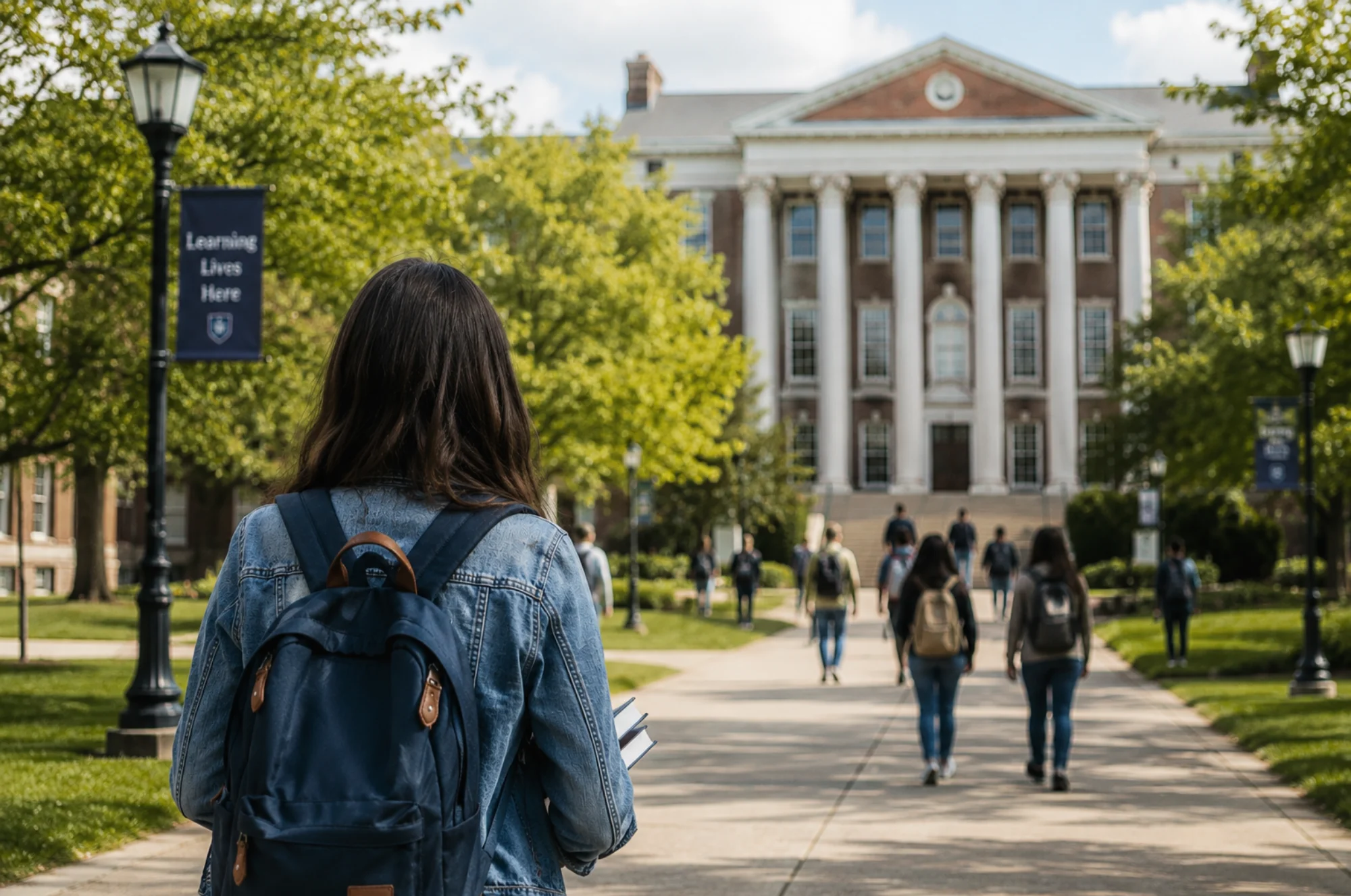
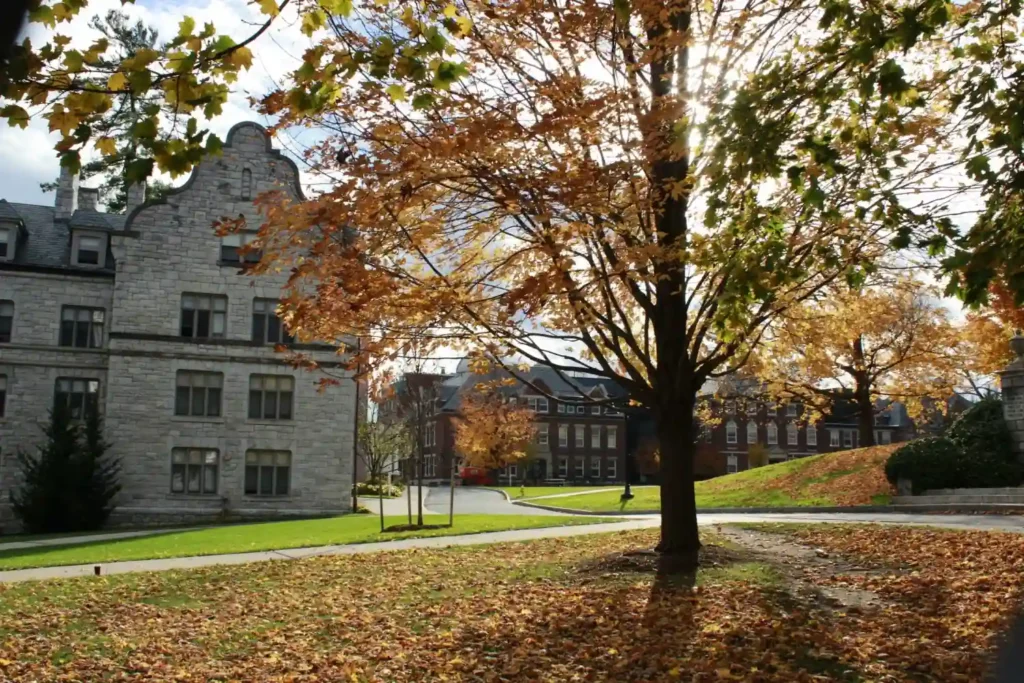
The best small residential colleges shape curious, adaptable thinkers. They focus on small classes, open discussion, and strong relationships between students and faculty. Schools like Williams, Amherst, and Bowdoin create environments that challenge students to think independently.
This is the heart of a rigorous undergraduate education: learning how to reason, write, and connect ideas across subjects. Liberal arts programs typically span the humanities, social sciences, natural sciences, and quantitative or interdisciplinary tracks, all part of what a liberal arts college is designed to teach.
SLAC Colleges vs. Large Universities
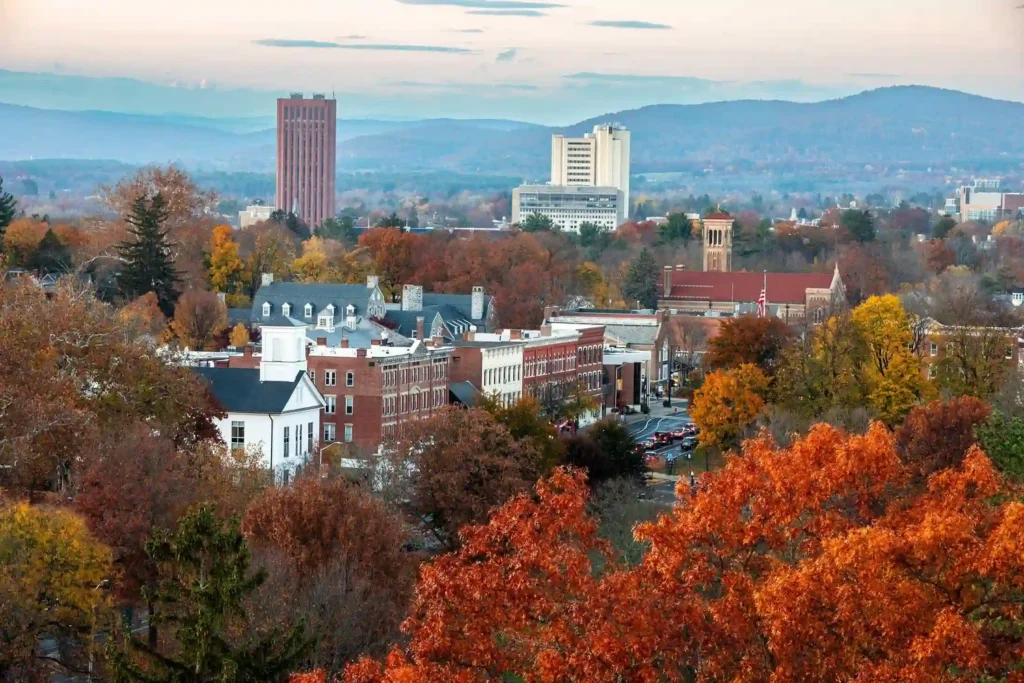
Small liberal arts colleges, often called SLACs, differ from large research universities in several concrete ways:
- Class size: Median class sizes at Pomona, Amherst, and Williams sit below 20 students, compared to 50 to 300 at many large research campuses.
- Faculty focus: Professors teach undergraduates directly; graduate teaching assistants typically do not lead core courses.
- Curriculum breadth: Students explore humanities, social sciences, and natural sciences, often through open or distribution-based curricula.
- Community: Undergraduate enrollments of roughly 900 to 3,500 create tight-knit, residential environments.
- Outcomes: Six-year graduation rates at Williams, Amherst, Pomona, Bowdoin, Carleton, and Wellesley range from roughly 91% to 96%, among the highest in U.S. higher education.
Graduation rate sources: Williams CDS, Amherst CDS, Pomona CDS, Bowdoin CDS, Carleton CDS, Wellesley CDS.
How Liberal Arts College Rankings Are Determined and Interpreted
Rankings for top-rated small colleges come from data on student success, teaching quality, and post-graduation outcomes. U.S. News & World Report weighs graduation rate, faculty resources, student selectivity, and peer assessment. Niche combines Department of Education data with millions of student and alumni reviews. CollegeRaptor scores selectivity, financial health, graduation rates, and starting salary.
Reports from the National Center for Education Statistics (NCES) show that undergraduate-focused institutions have some of the highest graduation and satisfaction rates in the country. Williams, Amherst, and Bowdoin regularly lead these results across methodologies.
At CollegeCommit, we help families understand what each school offers beyond the numbers, including its courses, mentoring style, and community fit. Rankings are a starting point for comparison, not a substitute for visiting campus and talking to current students.
Cost, Financial Aid, and Value
Published tuition at top private undergraduate colleges runs from about $67,000 to $74,000 per year for 2024–25. Sticker price rarely reflects what families actually pay. Most of the top 10 schools, including Williams and Amherst, publish need-blind or full-need financial aid policies, and several use no-loan aid for lower- and middle-income families.
Average net prices after grant aid tell a clearer story. Williams sits at roughly $15,894, Amherst at $19,049, Pomona at $19,938, and Wellesley at $22,174. Several top schools have average net prices below in-state tuition at flagship public universities.
Families should model their own cost using each school’s net price calculator, since aid varies by income, assets, and merit. Data reflects U.S. Department of Education IPEDS 2024–25 filings.
Career Outcomes and Alumni Networks
Graduates of top small colleges build strong careers across industries. These schools teach critical thinking, teamwork, and problem-solving skills that employers value. Colleges like Williams and Amherst maintain close alumni networks that support job placement and mentorship.
Career outcomes vary by campus focus. STEM-heavy schools like Harvey Mudd, Swarthmore, and Carleton place strongly into engineering, technology, and PhD programs, with Harvey Mudd graduates earning a median $115,107 in early career. Pre-professional and policy-focused schools like Claremont McKenna and Washington and Lee send graduates into consulting, banking, and government at median starting salaries of $87,603 and $76,516.
Women’s colleges including Wellesley, Barnard, and Smith show particularly strong graduate school placement in law, medicine, and academia.
Academic Excellence and Student Life
The best small colleges balance strong academics with active campus life. Courses span the humanities, social sciences, and natural sciences, helping students build skills for graduate study or careers.
Students engage in research, clubs, and service programs that strengthen confidence and leadership. Professors often mentor students directly, ensuring learning stays personal and practical.

Inside Liberal Arts College Admissions
Liberal arts college admissions at top-rated schools are highly selective; most of the top 10 admit fewer than 15% of applicants, and Carleton, the most accessible in the group, admits 20%. Families must manage deadlines and essays with precision.
At CollegeCommit, our educational consulting guides students through Early Decision, Early Action, and Regular Decision choices. We help them set goals and decide when to apply to college.
We explain how to plan based on the due dates of college applications and which steps make the most difference. Our advisors help students build rigor, leadership, and essays that stand out; we guide them on structure, feedback, and tone, but all writing stays their own.
The Common App essay has a 650-word limit. We teach students how to express powerful ideas in that space. Our process builds focus and confidence.
How CollegeCommit Helps Match Students to the Right Colleges
Choosing among the best small residential colleges starts with understanding goals, learning style, and outcomes. We guide families to make choices based on fit, not rankings alone.
When comparing schools, focus on:
- Academic programs and faculty access
- Learning style: open curriculum (Amherst, Hamilton) vs. structured or core-based (Columbia, Reed)
- Location, campus size, and residential culture
- Research opportunities, study abroad programs, and internships
- Alumni connections and long-term outcomes
Our advisors build a plan that connects student strengths with the right colleges. A student interested in STEM may prefer Harvey Mudd College, while one focused on politics or economics might thrive at Claremont McKenna College.
We support students from 8th to 12th grade, helping them understand what do you need to get into college.
Practical steps include:
- Taking challenging courses in multiple subjects
- Joining study abroad programs or summer research
- Leading projects or service initiatives
- Learning how to stand out in college applications with guided feedback
CollegeCommit supports Early Action, Restrictive Early Action, Early Decision, Regular Decision, and Rolling admissions.
How Expert Guidance Improves Admission Outcomes
Expert Advisors with Proven Experience
Our 20+ years of combined admissions experience drive everything we do. Families work directly with former admissions officers, Ivy League graduates, and trained mentors who know what colleges value.

Personalized Remote Support for Families Worldwide
We work 100% remotely, helping families across the U.S. and abroad. Each student has one main consultant who coordinates their process, while mentors assist with essays, tests, and interviews.
Performance-Focused Process, Never Promises
We don’t just advise – we engineer your admissions edge. Our approach uses proven methods and personalized feedback.
Delivering Structure and Peace of Mind
We provide organization, accountability, and expert perspective. CollegeCommit gives families direction and results – not guesswork.
Ready to transform uncertainty into opportunity? Join our upcoming cohort at CollegeCommit: Where Preparation Becomes Placement.