



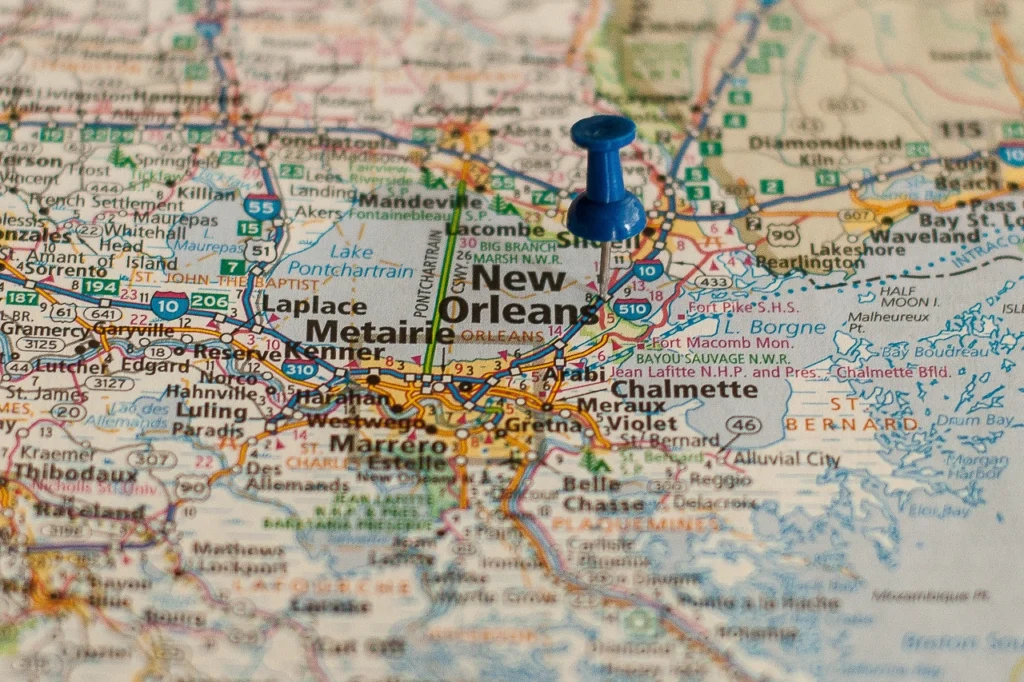
What Are the Major Colleges in Louisiana?
Major schools here are defined by enrollment size, academic scope, and statewide influence.
The most recognized include Louisiana State University, the flagship research campus, UL Lafayette, a major public university with broad degree offerings, and Tulane University, a nationally ranked private research institution.
Other significant schools, such as Southeastern Louisiana University, Louisiana Tech University, and Northwestern State University, play key regional roles, with strong teaching programs and specialized fields.
Together, these institutions shape higher education across the state through scale, research activity, and student opportunity.
The state also has a notable concentration of historically Black colleges and universities, including Southern University and A&M College, Grambling State University, Xavier University, and Dillard University.
Louisiana Rankings and Complete University List
Rankings help families compare schools by size. Enrollment changes each year, but these listings give a sense of how large each campus is and how it serves students. The state has 58 degree-granting institutions in total.
Complete List of Colleges in Louisiana
A full institutional list helps readers understand how different campuses fit into the state’s academic map. It gives families a complete view of available options, including public, private, and specialized schools.
Louisiana State University System
- Louisiana State University, Baton Rouge
- LSU Alexandria
- LSU Eunice
- LSU Shreveport
University of Louisiana System
- University of Louisiana at Lafayette
- University of Louisiana at Monroe
- Louisiana Tech University
- McNeese State University
- Nicholls State University
- Northwestern State University of Louisiana
- Southeastern Louisiana University
- University of New Orleans
Southern University System
- Southern University and A and M College
- Southern University at New Orleans
- Southern University at Shreveport
Community and Technical Colleges
- Baton Rouge Community College
- Bossier Parish Community College
- Central Louisiana Technical Community College
- Delgado Community College
- Fletcher Technical Community College
- Louisiana Delta Community College
- Nunez Community College
- River Parishes Community College
- South Louisiana Community College
- Sowela Technical Community College
Several of these public campuses also appear on national lists of top public universities to consider.
Private Universities and Colleges
Private Nonprofit
- Tulane University
- Loyola University New Orleans
- Xavier University of Louisiana
- Centenary College of Louisiana
- Dillard University
- Louisiana College
- Our Lady of Holy Cross College
- Our Lady of the Lake College
- New Orleans Baptist Theological Seminary
Private For-Profit
Families weighing these against the public options may want to review what defines a private university and how funding structures affect cost and class size.
Profiles of Major Louisiana Universities
These profiles give families a practical look at each school’s programs, campus life, and identity. They help students understand what makes each campus distinct and how it supports different goals.
Each profile also highlights factors that may shape a student’s day-to-day experience.
University of Louisiana at Lafayette
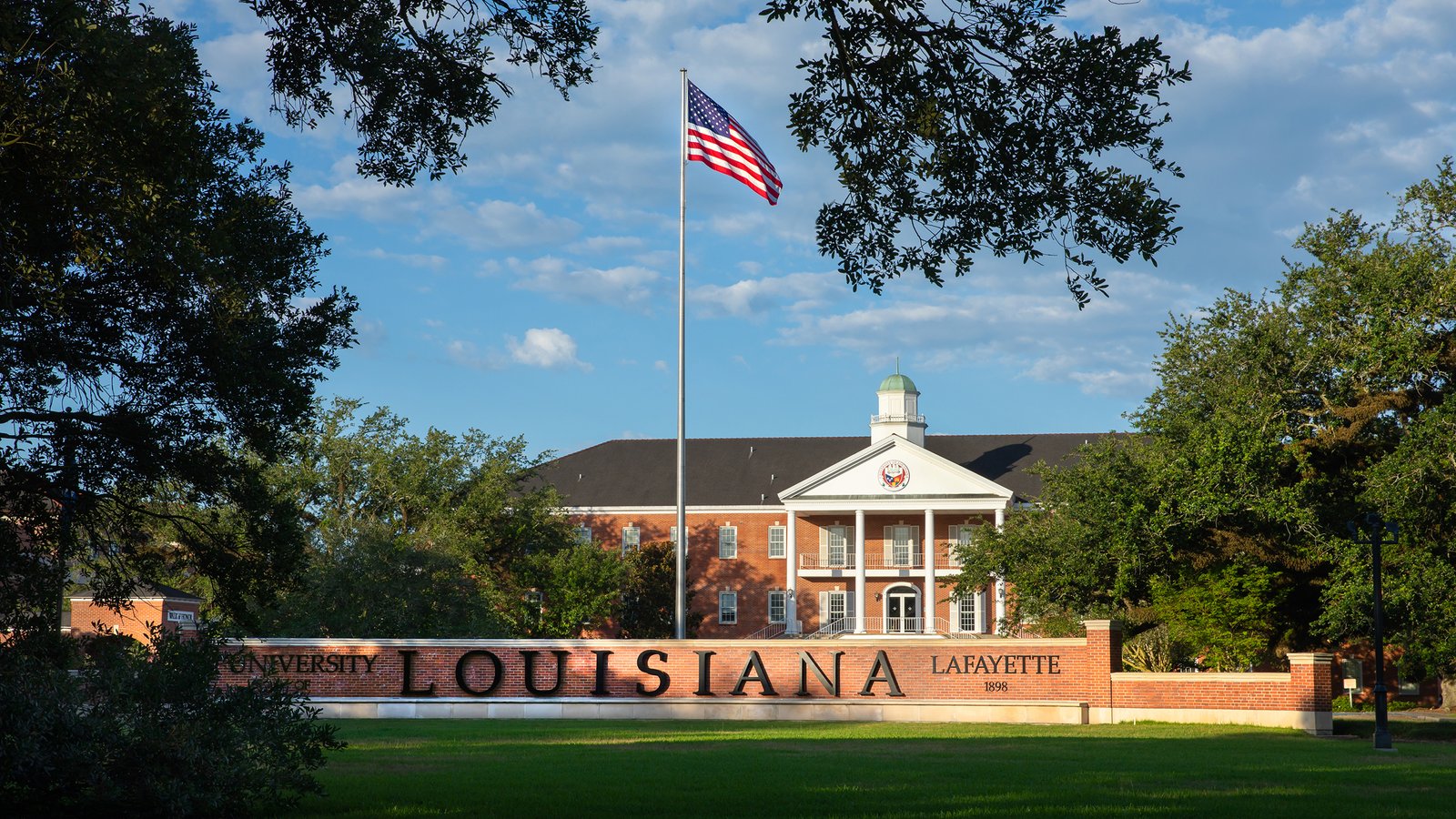
UL Lafayette is a large research campus with programs in engineering, business, science, and the arts. Established in 1898, it is the only Carnegie Research 1 institution in the UL System and offers more than 240 majors, minors, and concentrations, according to the University of Louisiana System.
Its size supports extensive student services and campus events, and the school reports that it contributes more than $4.4 billion annually to the state economy. The campus sits in a growing city that offers access to internships and local industries.
Southeastern Louisiana University
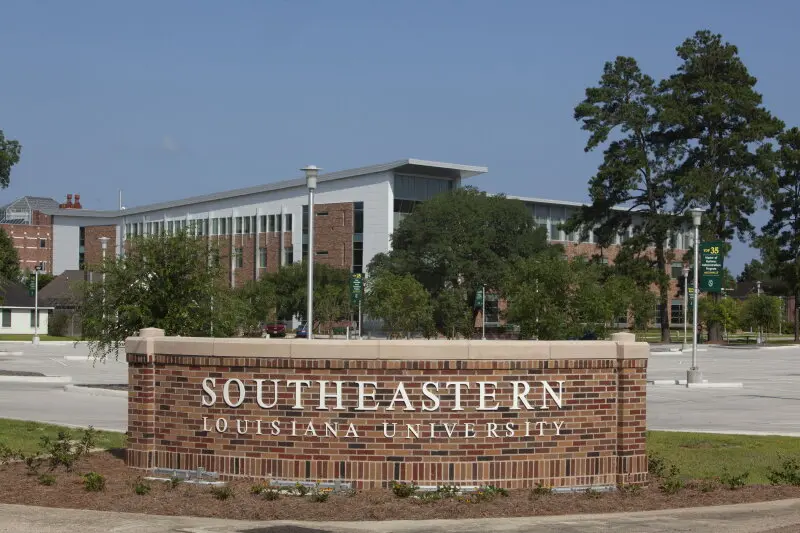
Southeastern Louisiana University enrolls 13,861 students across a broad range of fields from its Hammond campus. It offers community projects, mentoring programs, and academic clubs that help students gain experience.
Many students choose this school for its active regional network and 99% acceptance rate, making it one of the more accessible four-year options statewide.
Xavier University of Louisiana
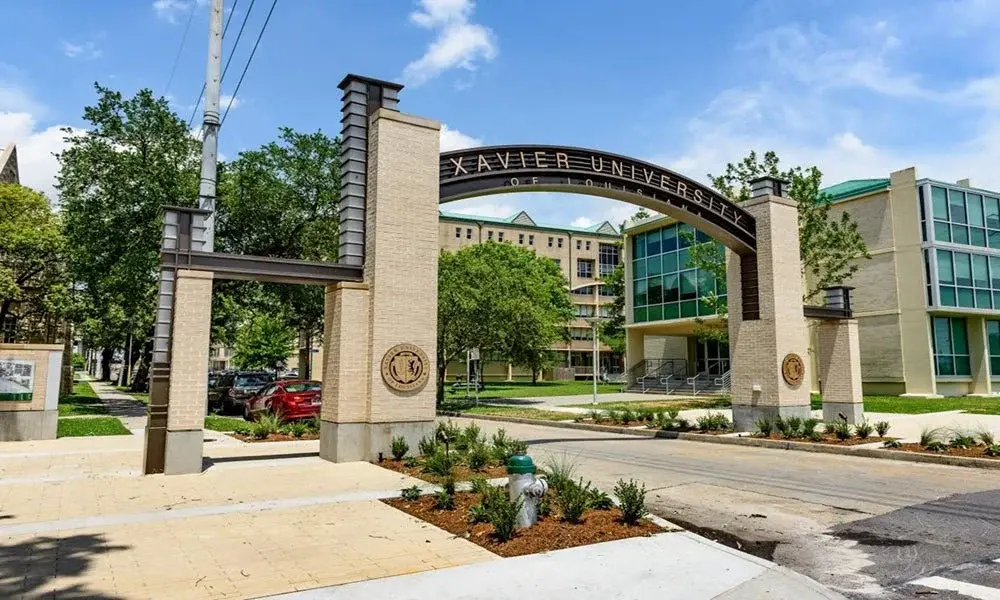
Xavier is the only Catholic HBCU in the country and is known nationally for its health sciences pipeline. The New Orleans campus blends rigorous academics with service and community engagement, supported by an 11-to-1 student-to-faculty ratio.
With roughly 3,200 students, it demonstrates that influence and enrollment size are not the same measure. Students often join support groups and leadership programs to build useful skills.
University of New Orleans
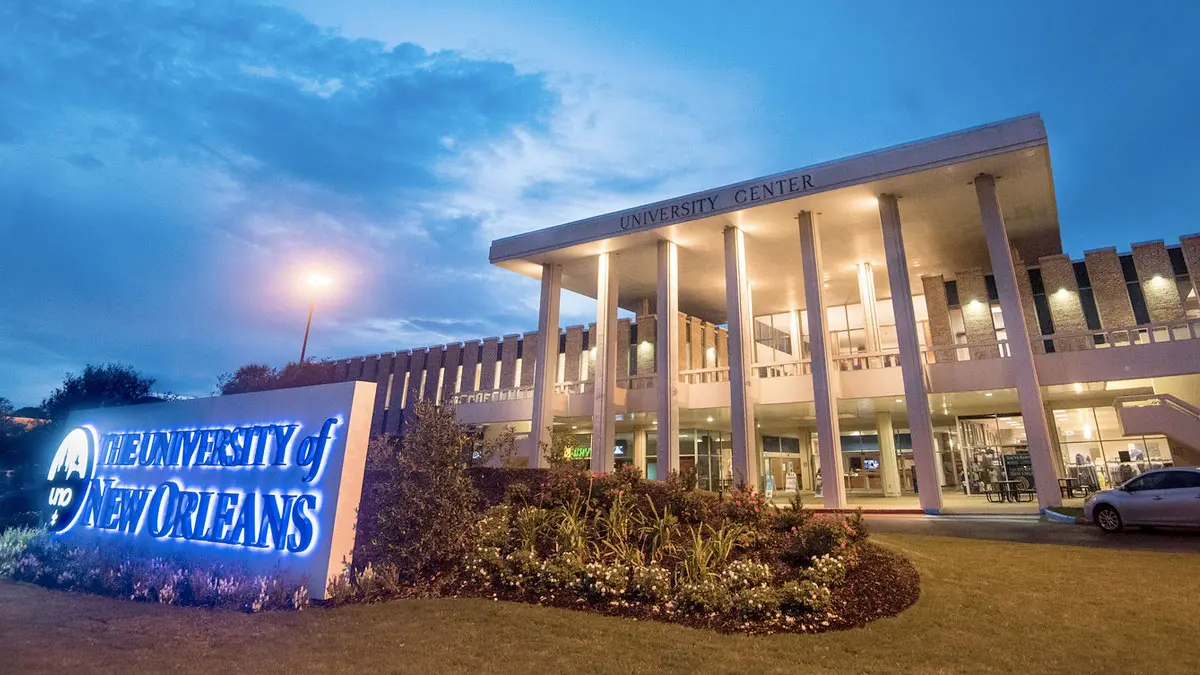
The University of New Orleans offers programs in business, engineering, the arts, and coastal studies. The campus collaborates with local organizations and provides students with hands-on learning opportunities.
Its urban location offers many chances to explore career paths, and its average net price of about $12,258 keeps it among the more affordable four-year options in the region.
What Are the Big 3 Colleges in Louisiana?
The Big 3 includes the schools with the highest enrollments and the widest range of programs. These campuses appear consistently at the top of statewide lists:
- Louisiana State University (LSU) in Baton Rouge, 39,418 students
- University of Louisiana at Lafayette, 15,345 students
- Tulane University in New Orleans, 13,078 students, private
Families look at these schools early on because they draw many applicants and have substantial academic reach across research, professional programs, and athletics.
Enrollment Insights and Student Experience
Enrollment patterns help students understand how a campus may feel and how it may change over time. Large schools shape housing, class scheduling, and campus activities in ways smaller ones do not.
Students can use these patterns to choose campuses that match their needs and working style.
Undergraduate and Graduate Enrollment Trends
The mix of undergraduate and graduate students varies sharply between campuses. LSU Baton Rouge enrolls roughly 34,000 undergraduates, giving it a strongly undergraduate character despite its research mission.
LSU Shreveport runs the opposite profile, with about 8,100 graduate students and the state’s largest fully online population at roughly 8,700 students enrolled exclusively at a distance. That distinction matters for applicants expecting a traditional residential experience.
Year-Over-Year Enrollment Changes
Yearly shifts show which campuses are expanding and which are holding steady. Reporting cycles have moved LSU’s published headcount from 39,418 to 41,705, and LSU Alexandria has posted one of the steepest percentage changes among public campuses statewide.
Enrollment growth affects course availability, housing demand, and hiring. Students who track these changes can anticipate whether a campus will feel more crowded by the time they arrive.
Why Enrollment Size Matters
Size affects class structure, advising ratios, and access to services. Larger institutions typically offer more majors and more student organizations, while smaller ones often provide closer faculty contact and more direct support.
Xavier’s 11-to-1 student-to-faculty ratio illustrates the tradeoff: fewer total students, but more individual attention. Each applicant benefits from choosing the scale that fits their learning style.
Key Metrics: Tuition, Acceptance Rate, Campus Size
Families comparing campuses should weigh three numbers together rather than in isolation. Net price ranges widely across the state’s largest schools, from about $7,287 at LSU Shreveport to $47,427 at Tulane.
Acceptance rates span an even wider band, from 14% to 99% among the ten biggest campuses. Median early-career salaries also differ, with Tulane graduates earning about $50,220 and LSU graduates about $49,218.
Admissions Selectivity in Louisiana
Selectivity helps families understand how competitive each school may be. This information supports planning for Early Action, Early Decision, Restrictive Early Action, or Regular Decision.
CollegeCommit offers elite college admissions consulting, expert essay coaching, and top-tier tutoring and test prep.
Our experienced advisors guide students through every step, from academic support to college strategy, with insight and care. We help ambitious students gain admission to top colleges through thoughtful, personalized mentorship.
Hardest College to Get Into in Louisiana
Tulane University is the most competitive institution in the state, admitting about 14% of applicants. Its middle 50% SAT range is between 1,400 and 1,510, well above that of every other campus statewide.
Southern University and A&M College is the second most selective at roughly 35%, followed by Dillard at about 42% and Grambling State at 45%. Building a realistic target list starts with knowing the GPA needed to get into college at each selectivity tier.

Selectivity Among the Largest Schools
Size and difficulty of admission move independently here. LSU admits about 73% of applicants, UL Lafayette about 87%, and Southeastern about 99%, while Tulane sits at 14% despite ranking fourth in enrollment.
That spread means the state’s biggest campuses can serve as reaches, targets, and likelies within a single application list. Deciding how many colleges to apply to depends on how that mix is balanced.
Data Sources and Methodology
Verified data helps families make informed decisions and plan their admissions steps with confidence. This section explains how the information in this guide was gathered and how readers can check it.
How Enrollment Numbers Are Verified
All headcounts come from the Integrated Postsecondary Education Data System, the federal survey administered by the U.S. Department of Education National Center for Education Statistics.
Institutions are required to report enrollment annually, ensuring the dataset is consistent across schools.
Figures in this guide reflect the 2023–2024 reporting year. State-level totals and system reporting are also published by the Louisiana Board of Regents, which allows families to cross-check federal numbers against state records.
Ranking Criteria Used for This Guide
Institutions are ranked strictly by total enrollment headcount, combining undergraduate and graduate students at both full-time and part-time status. No weighting is applied for prestige, research output, or graduation rate.
Community and technical colleges are included, since excluding them would misrepresent where students in the state actually enroll. Campus acreage is reported separately, since land area and student population do not correlate. We use this same ranking approach in our guide to the biggest colleges in North Carolina.


